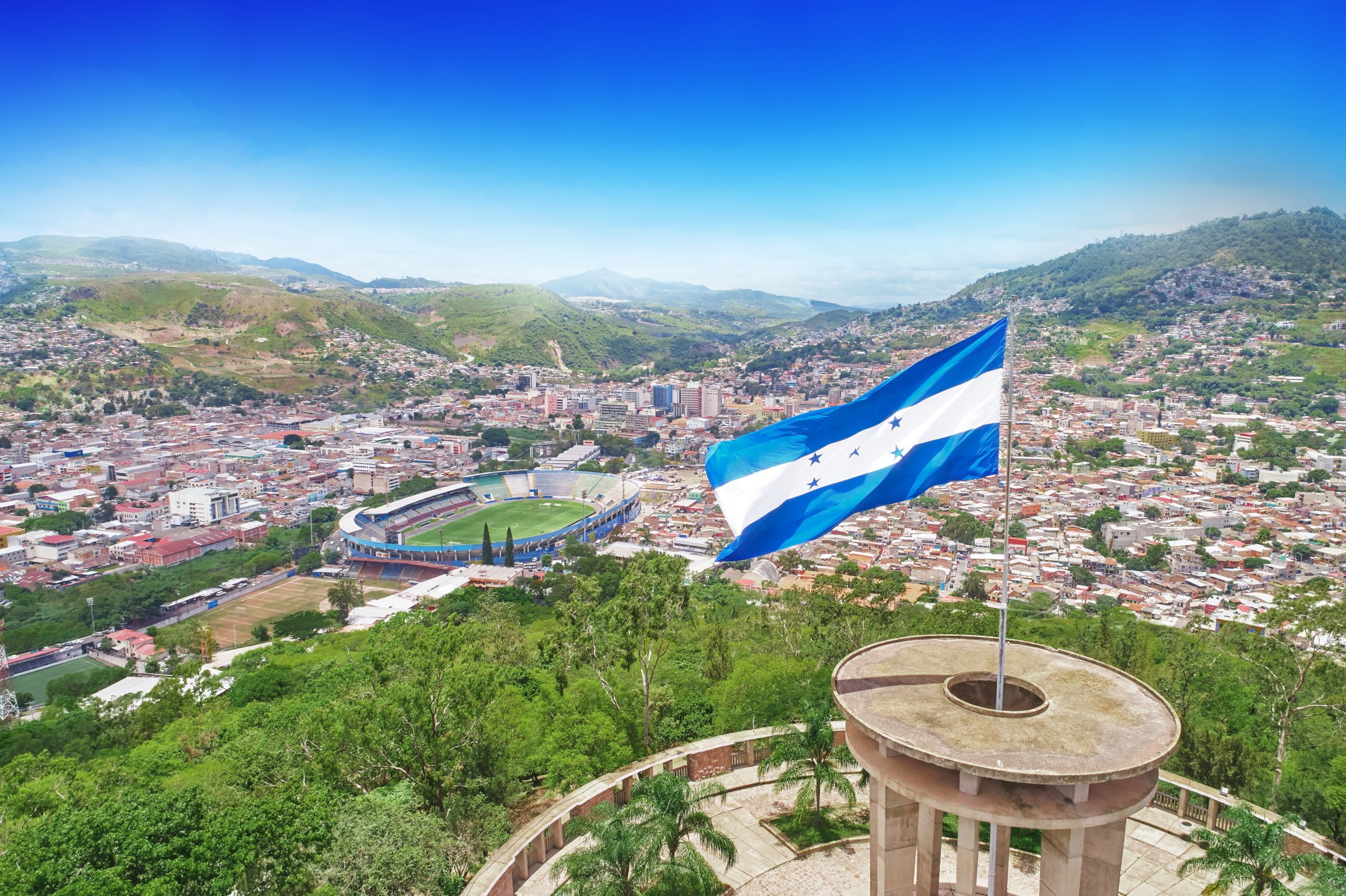
The Honduras national football team, affectionately known as Los Catrachos, carries an identity forged through profound political strife, economic hardship, and a fierce collective spirit. While powerhouse nations rely on multi-million-dollar talent pipelines, Honduran football thrives on grit. The team represents a population that often looks to the pitch as a rare outlet for national pride and global visibility.
Understanding Los Catrachos requires looking past standard match statistics. The squad's history is deeply intertwined with social resilience, legendary upsets on continental stages, and an unyielding passion that defines Central American sports culture.
The Roots of Identity: Football and Society in Honduras
Football arrived in Honduras in the early 20th century, quickly growing from a coastal pastime into a national obsession. For a country navigating frequent political instability and economic inequality, the national team became a unifying symbol. When La Bicolor steps onto the field, regional and class divides inside the country temporarily dissolve.
This deep emotional investment has occasionally carried heavy burdens. The most stark example remains the infamous 1969 World Cup qualifiers against El Salvador, which preceded the brief conflict often called the Football War. While political and land tensions were the true catalysts for the war, the matches served as a volatile spark. It demonstrated how intensely football matters in the region—acting as both a mirror of societal pressures and an intense expression of national identity.
Breaking Through: The Historic 1982 World Cup Run
For decades, Honduras fought in the shadow of larger CONCACAF nations like Mexico and Costa Rica. That changed dramatically during the 1981 CONCACAF Championship, which doubled as World Cup qualifying. Hosted in Tegucigalpa, Honduras clinched the tournament title and secured its first-ever ticket to the FIFA World Cup in Spain.
At the 1982 tournament, the team surprised international observers. Rather than arriving merely to make up the numbers, Honduras earned hard-fought draws against host nation Spain and Northern Ireland, narrowly losing their final group match to Yugoslavia 1-0. That tournament established a template for future generations: organized defense, physical resilience, and relentless counter-attacking.
The Modern Golden Era: 2010 and 2014 World Cups
After nearly three decades of near-misses and heartbreak—including hitting the goalpost an agonizing eight times during crucial qualifiers—Honduras returned to the global stage in 2010. Under coach Reinaldo Rueda, a squad featuring legendary figures like Maynor Figueroa, Carlos Pavón, and David Suazo secured qualification for South Africa 2010.
Four years later, under Luis Fernando Suárez, Los Catrachos qualified for the 2014 World Cup in Brazil. While the team exited in the group stage during both tournaments against tough opposition, these appearances cemented a modern golden generation. Players from this era proved that Honduran athletes could succeed in top European leagues and Major League Soccer, raising expectations back home permanently.
The Legendary 2001 Copa América Miracle
One of the most remarkable chapters in Honduran football history happened far from home at the 2001 Copa América in Colombia. Argentina withdrew at the eleventh hour due to security concerns, and Honduras received a last-minute invitation.
The squad arrived in South America mere hours before their opening match, missing key equipment and running on little sleep. Yet, they navigated the group stage and faced powerhouse Brazil in the quarterfinals. In a stunning upset, Honduras defeated Brazil 2-0 through goals from Saul Martínez and an airtight defensive display. Though Colombia eliminated them in the semifinals, a third-place finish secured legendary status for the squad and shocked South American football.
Tactical DNA and Playing Style
Honduran football historically relies on distinct tactical pillars built around athletic strength, tactical discipline, and speed on the flanks.
- Defensive Resilience: Facing elite attackers with limited resources forced Honduran teams to master low-block defenses and physical duel-winning.
- Vertical Transition: Quick distribution to fast wingers allows the team to punish opponents who overcommit in attack.
- Home Advantage: Playing in venues like the Estadio Olímpico Metropolitano in San Pedro Sula creates a notorious atmosphere for visiting CONCACAF opponents due to intense heat, humidity, and vocal crowds.
Current Challenges and the Path Forward
Despite a rich history, the national program faces structural hurdles. Domestic clubs often struggle with financial stability, and youth development academies lack the funding found in wealthier federations. Transitioning from reliance on individual talent to a sustainable, modern infrastructure remains the primary hurdle for consistent qualification cycles.
Even so, the fundamental identity of Honduran football remains intact. Every new generation of players inherits the burden and pride of representing a nation that views football as proof of its endurance.
Frequently Asked Questions
How many times has Honduras played in the World Cup?
Honduras has qualified for the FIFA World Cup three times: in 1982, 2010, and 2014.
What is the origin of the nickname Los Catrachos?
The term Catracho is a proud nickname for Hondurans generally, originating from the 19th-century military general Florencio Xatruch, whose troops fought against American filibuster William Walker. The national football team proudly bears this name.
What is Honduras's best performance in a major international tournament?
Aside from qualifying for three World Cups, the historic third-place finish at the 2001 Copa América—which included a win over Brazil—stands as the national team's greatest international achievement.
Why was the 1969 match against El Salvador significant?
The 1969 World Cup qualifiers between Honduras and El Salvador took place amid high political tensions and agrarian migration disputes, famously coinciding with a brief military conflict that left a permanent scar on regional sports history.


.jpg)
