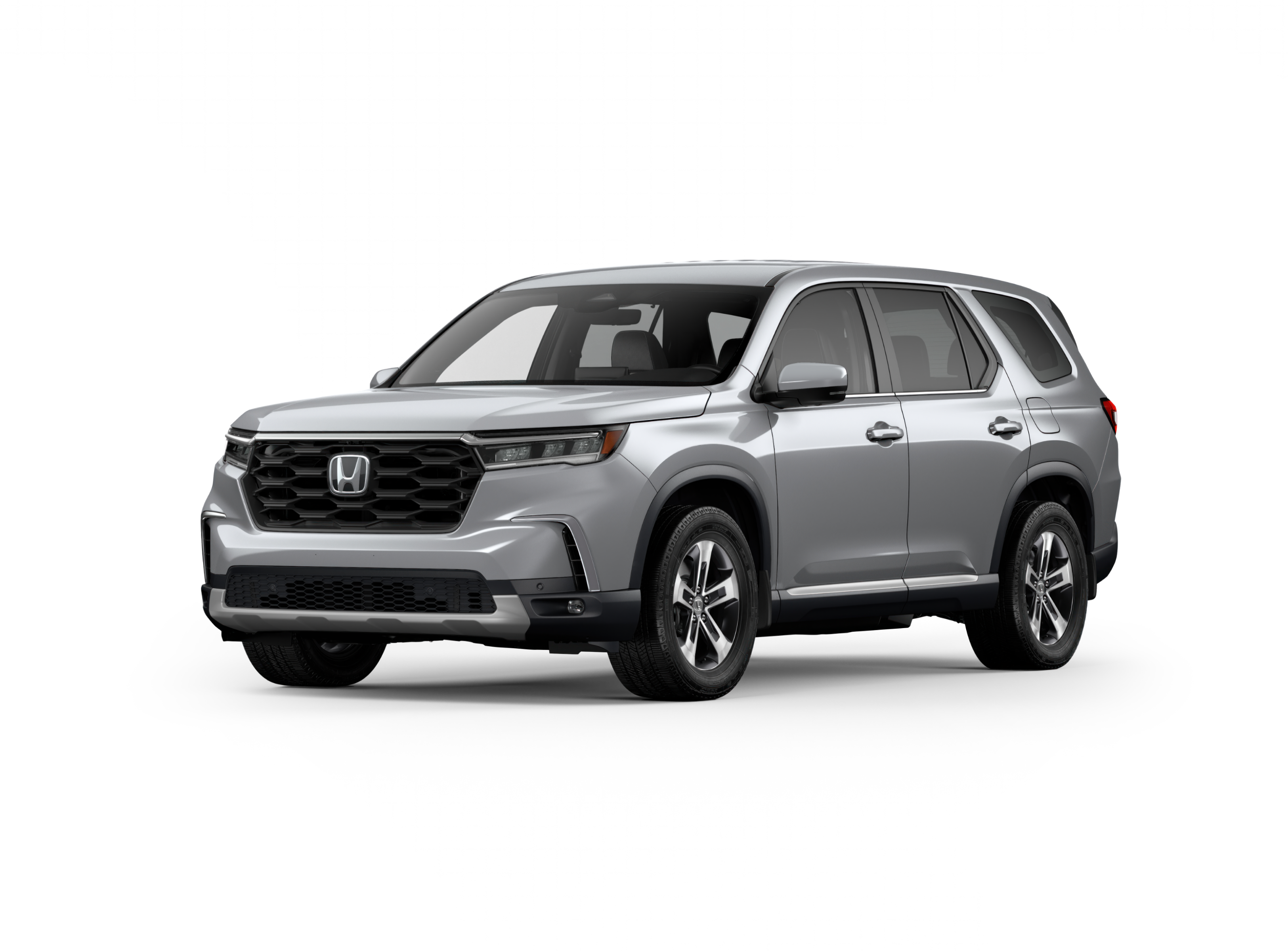
From a modest wooden shack in post-war Hamamatsu to a global powerhouse spanning automobiles, motorcycles, and aerospace engineering, the story of Honda Motor Company is built on relentless experimentation. Founded in 1948 by Soichiro Honda and Takeo Fujisawa, the firm rejected conventional corporate wisdom, choosing instead to design products that solved practical human problems.
Rather than functioning as a standard corporate biography, this analysis examines the exact technological breakthroughs, operational strategies, and global manufacturing expansions that allowed a small Japanese startup to outpace entrenched industrial giants.
The Post-War Roots and the Motorcycle Revolution
In the wake of World War II, Japan faced severe fuel shortages and crippling infrastructure damage. Soichiro Honda recognized an urgent need for affordable mass transportation. His initial breakthrough didn't come from a complex automobile engine, but from repurposing surplus wartime generator engines to power ordinary bicycles.
By 1949, the company introduced its first proprietary motorcycle, appropriately named the "Dream". However, the product that permanently altered global transportation was the 1958 Super Cub C100.
The Super Cub was designed with everyday riders in mind—including those who had never operated a motorized vehicle before. Key engineering choices drove its success:
- The Pressed-Steel Step-Through Frame: This made mounting and dismounting straightforward for any rider.
- Centrifugal Automatic Clutch: It eliminated the traditional hand-operated clutch lever, simplifying gear shifts.
- Four-Stroke 50cc Engine: Delivering high fuel efficiency without excessive emissions, proving durable under harsh daily conditions.
This motorcycle became the most produced motor vehicle in human history, establishing the foundational principle that good products transcend national borders.
Entering the Global Market and Automotive Expansion
Entering Western markets required radical strategic thinking. When American Honda Motor Co. was established in Los Angeles in 1959, established motorcycle culture was dominated by heavy cruiser bikes ridden by rough-and-tumble gangs. Honda chose a different path entirely.
Instead of targeting traditional riders, they marketed lightweight, reliable commuters to everyday Americans through the famous "You meet the nicest people on a Honda" campaign. This shift expanded the entire American motorcycle market rather than just stealing existing share.
Transitioning to four-wheeled automobiles in the 1960s presented stiff resistance from Japan's Ministry of International Trade and Industry, which initially tried to discourage new entrants. Honda defied these warnings, introducing the T360 mini pick-up and the S500 sports car.
The company's engineering credibility reached a global scale with the development of the CVCC (Compound Vortex Controlled Combustion) engine in the early 1970s. While American and European automakers argued that strict new emissions standards under the Clean Air Act were impossible to meet without expensive catalytic converters, Honda engineered an engine block that achieved clean combustion through precise thermodynamics alone.
Milestone Engineering Breakthroughs
Innovation at Honda has always been driven by a hands-on, research-first culture. Several proprietary technologies redefined efficiency and performance across industries:
- VTEC (Variable Valve Timing and Lift Electronic Control): Introduced in 1988, VTEC solved a classic engineering compromise. Traditional engines had to choose between high-rpm horsepower and low-rpm fuel efficiency. VTEC dynamically altered valve timing and lift profiles while the engine ran, delivering both punchy acceleration and clean idling efficiency.
- The Civic and Global Platform Architecture: Launched in 1972, the Civic utilized a transverse front-wheel-drive layout that maximized interior passenger space relative to exterior footprint, setting the benchmark for modern compact car design.
- Robotics and Mobility Research: Long before commercial humanoid robotics became popular, Honda engineers spent decades developing ASIMO. This research directly translated into advanced stabilization, gyroscopic sensors, and automated safety driver-assistance suites like Honda Sensing.
Global Manufacturing and Localized Production
A critical pillar of the company's international resilience is its localized production model. Rather than centralizing all manufacturing in Japan and exporting finished goods worldwide, the company built production plants close to its core consumer markets.
In North America, facilities like the Marysville Auto Plant in Ohio transformed from assembly yards into full research, development, and manufacturing hubs. By producing vehicles locally, the brand insulated itself against currency fluctuations, shipping delays, and regional trade friction. This localized strategy extended into power equipment, marine engines, and general-purpose motors, making the brand a ubiquitous provider of clean mechanical energy worldwide.
Common Misconceptions About the Brand
Enthusiasts and market analysts often misunderstand several aspects of the company's corporate evolution:
- The Bear vs. Raccoon Misconception: Because of the name, casual observers frequently assume the company is related to giant pandas or bears. In reality, the name derives entirely from the founder's surname, Soichiro Honda.
- Racing as Pure Marketing: Many assume motorsports involvement is just an advertising expense. For this engineering group, racing is treated as an intensive training ground for young engineers. Lessons learned on Formula One tracks directly inform the metallurgy, thermal management, and fuel efficiency of consumer commuter cars.
Frequently Asked Questions
When was Honda Motor Company founded?
The company was officially established on September 24, 1948, by Soichiro Honda in Hamamatsu, Japan, initially focusing on motorized bicycle accessories.
What was the first product manufactured by Honda?
Following auxiliary bicycle engines, the first complete original motorcycle design was the "Dream" D-type, released in 1949.
How did the Super Cub change the global market?
The Super Cub introduced reliable, clean, four-stroke personal transportation that was exceptionally easy to operate. Its massive global sales volume redefined urban mobility across Asia, Europe, and the Americas.
Why did Honda enter Formula One racing?
Soichiro Honda believed that testing engineering limits under extreme competitive pressure was essential for sharpening technical capability. He famously stated that without racing, the company loses its core spirit.



