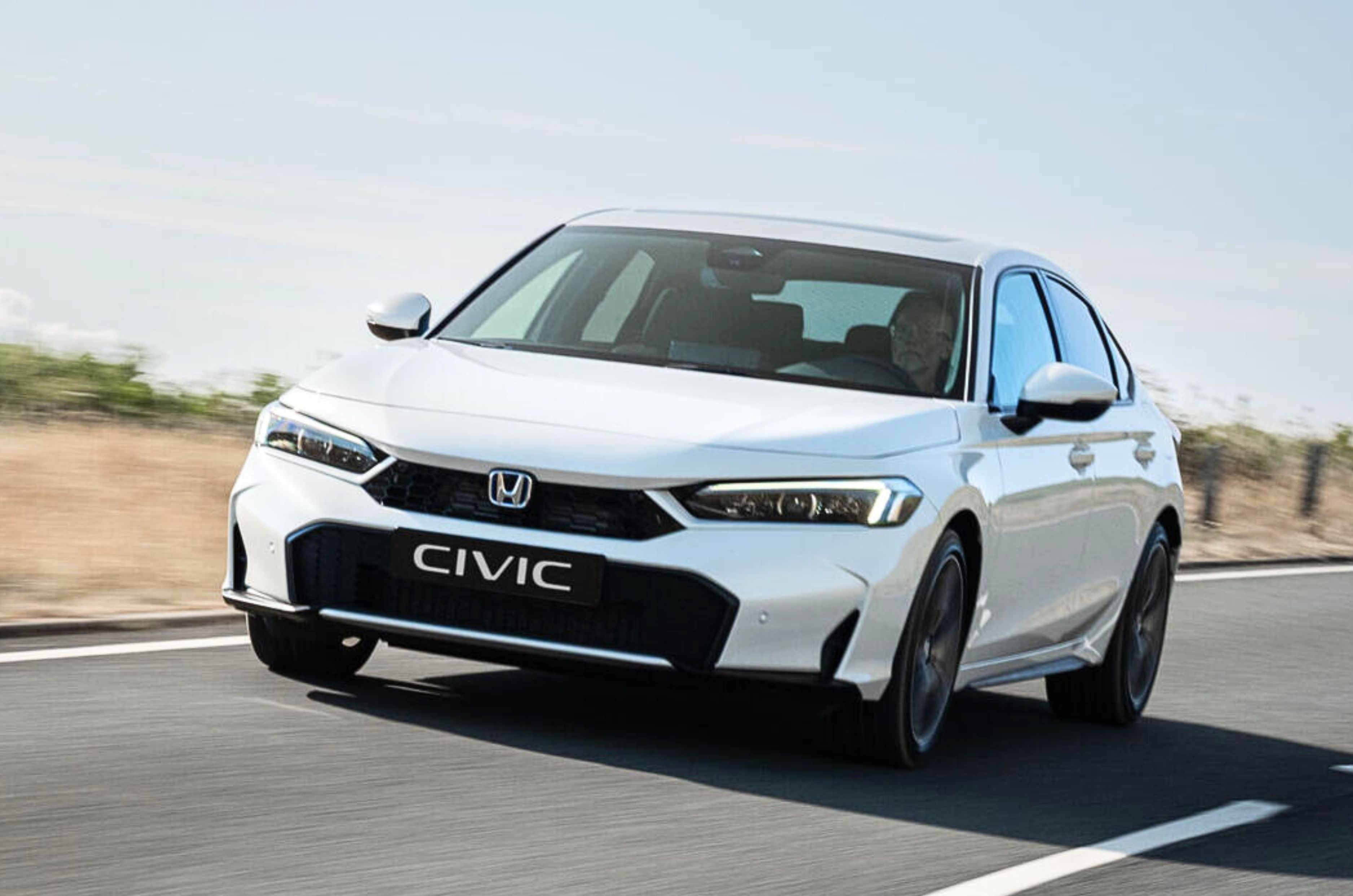
Honda manufacturing in Thailand represents one of the most compelling industrial transformations in Southeast Asia. Over three decades, the kingdom evolved from a regional assembly market into a critical export hub for vehicles and components, driven by robust government policy, supplier networks, and strategic geographic positioning.
The structural development of Honda's footprint mirrors Thailand's rise as the "Detroit of Asia." Government incentives dating back to the late 20th century attracted major Japanese automakers looking to diversify production outside domestic borders. Honda established its local manufacturing presence in the early 1990s, building comprehensive assembly capabilities that eventually served dozens of international markets across Asia and Oceania.
Foundations of the Thai Production Network
Honda's operational success in Thailand relied heavily on two major manufacturing hubs: Ayutthaya and Prachinburi. The Ayutthaya facility, established in 1996, served as the bedrock of local operations, producing high-volume nameplates like the City, Civic, and CR-V. Over the years, Honda integrated advanced manufacturing systems into this plant, including flexible drive systems and eco-friendly water circulation technologies designed to reduce volatile organic compound emissions.
In 2016, Honda expanded its operational capacity by opening a modern plant in Prachinburi. This newer facility incorporated cutting-edge production technologies, automated inspection processes, and dedicated engine manufacturing lines configured to support compact passenger cars and hybrid systems. By distributing production across these facilities, Honda optimized logistics and localized the sourcing of parts. According to the Board of Investment of Thailand, the country's localized supply chain allows automakers to source up to ninety percent of raw components domestically.
Supply Chain Ecosystem and Localization
A major reason Thailand became a powerhouse lies in its localized tier-1 and tier-2 supplier network. Rather than shipping every component from Japan, Honda cultivated long-term partnerships with local industrial clusters. This reduced lead times and insulated assembly lines from global shipping volatility.
- Raw Material Access: Proximity to regional steel, rubber, and petrochemical processing plants cut baseline material acquisition costs.
- Skilled Workforce: Decades of technical training programs supported by the Ministry of Industry ensured a steady pipeline of engineers and line technicians.
- Logistics Integration: Proximity to Laem Chabang Port enabled seamless export pathways to global markets.
Strategic Realignment and Market Shifts
The automotive landscape in Thailand underwent rapid changes due to shifting consumer preferences, economic pressures, and rising competition from Chinese electric vehicle manufacturers. As domestic and regional markets pivoted toward battery-electric vehicles, legacy internal combustion engine production faced new capacity constraints.
Honda adjusted its footprint by consolidating vehicle manufacturing operations into its Prachinburi facility while transitioning the historic Ayutthaya plant toward specialized component production. This pivot reflects broader industrial adjustments across the Thai manufacturing sector as legacy automakers reevaluate output volumes in response to changing export demands and regional competition.
Common Misconceptions About Thai Automotive Production
Many market observers misunderstand how regional manufacturing hubs operate. A common error assumes that plants in Thailand function merely as low-cost manual assembly sheds. In reality, facilities like Honda's Prachinburi site utilize high levels of robotics, automated guided vehicles, and strict quality control protocols identical to those used in Japanese domestic plants.
Another frequent oversight is ignoring domestic market influence. While export volume remains a primary driver, Thai consumers exhibit strong demand for compact sedans and utility vehicles, making the local market a crucial testing ground for new vehicle iterations before regional rollout.
Frequently Asked Questions
When did Honda start manufacturing cars in Thailand?
Honda officially established its manufacturing footprint in Thailand in the early 1990s, scaling up operations with the opening of the Ayutthaya assembly plant in 1996.
Which models were primarily built in Honda's Thai plants?
The plants historically produced high-volume global and regional models, including the Honda City, Civic, Accord, Jazz, and CR-V, alongside various hybrid variants.
Why did Honda consolidate its Thai manufacturing operations?
Rising regional competition, shifting demand toward electric and hybrid models, and changing export dynamics prompted Honda to streamline vehicle assembly into its advanced Prachinburi facility while shifting specific component operations to Ayutthaya.
How does the local supply chain impact production efficiency?
By sourcing the vast majority of parts locally from established industrial parks, Honda minimized import delays and reduced logistics overhead, ensuring steady manufacturing output across business cycles.



