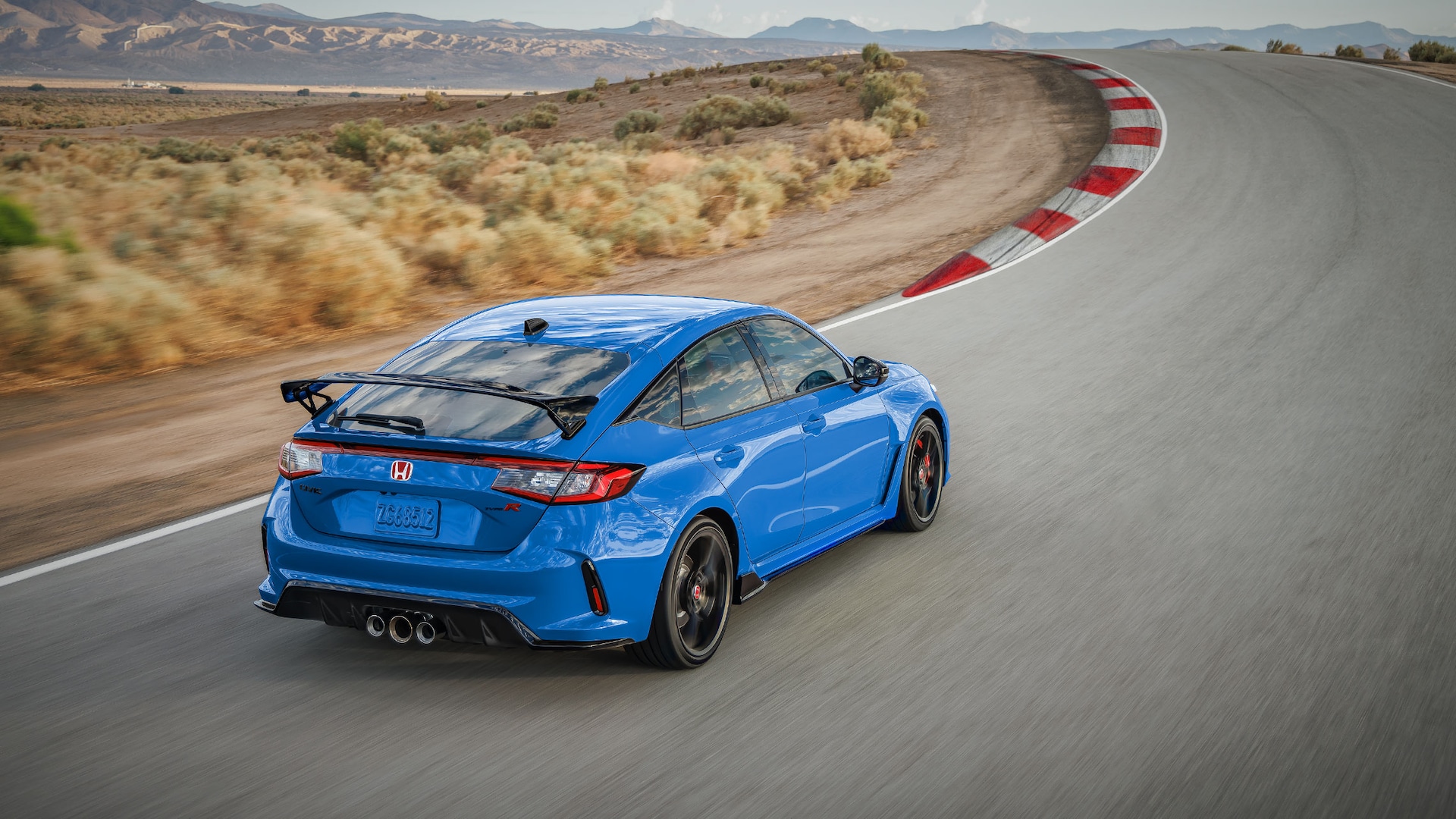
The Honda Jazz GK5, built from 2015 through 2020, remains a masterclass in subcompact vehicle packaging. If you're hunting for a used 2019 model, you're looking at the refined mid-cycle refresh that added sharper bumper styling, better infotainment integration, and improved safety tech options. This guide cuts through the marketing fluff to break down exact specifications, real-world running costs, and critical mechanical checks you need to perform before handing over your money.
Core Specifications and Trim Lineup
Underneath the short bonnet of the 2019 Jazz lies a choice of dependable four-cylinder powerplants, depending on your regional market. In many global regions, the 1.3-litre i-VTEC engine pushes out around 100 horsepower, while sportier trims like the VTi-S or RS pack a punchier 1.5-litre Earth Dreams engine delivering roughly 130 horsepower (88 kW) and 145 Nm of torque.
You can pair these engines with either a slick 6-speed manual transmission or a continuously variable transmission (CVT). While enthusiasts often gravitate toward the manual for punchy revs, the CVT dominates the used market. Honda's CVT setup on the GK5 is responsive for city driving, though it drones under hard acceleration. Fuel economy figures hover impressively around 5.6 to 6.1 liters per 100 kilometers in mixed real-world driving conditions, making it an exceptionally thrifty daily commuter.
The Magic Seat Advantage and Interior Practicality
The single greatest selling point of the GK5 generation is Honda's ingenious interior packaging. By mounting the fuel tank centrally beneath the front seats, Honda freed up the rear floor space entirely.
- Utility Mode: Fold the 60/40 split rear seats flat to unlock a massive 1,314 litres of cargo capacity.
- Tall Mode: Flip the rear seat bases straight up against the seatbacks, creating a vertical load-bay tall enough to slide in a large houseplant or a bicycle.
- Refresh Mode: Remove the front headrests, recline the front seats flat, and you get an impromptu resting lounge.
Despite having a footprint smaller than most compact sedans, rear legroom rivals vehicles two classes larger. Headroom is equally generous, meaning adults won't feel cramped on long road trips.
Common Mechanical Issues and Inspection Checklist
While Honda enjoys a stellar reputation for long-term mechanical durability, the 2019 GK5 has a few known trouble spots that surface during pre-purchase inspections.
- CVT Fluid Maintenance: The automatic transmission relies heavily on clean fluid. If the previous owner neglected regular fluid changes every 40,000 kilometers, the transmission can shudder or whine. Test drive the car on a flat stretch of road to ensure smooth acceleration without hesitation.
- Infotainment Glitches: The 7-inch touchscreen units found in mid-to-high trims can suffer from laggy Bluetooth pairing or occasional freezing. Test all phone connections thoroughly during your test drive.
- Paint and Bodywork Scuffs: The factory paint layer on the GK5 is relatively thin. Inspect the front bumper, hood edges, and door sills for stone chips and parking lot scuffs.
- Recall Verification: Check official databases to ensure all regional recalls—such as specific fuel pump module updates or airbag component checks—have been completed by an authorized dealer.
For official safety ratings and structural crash-test analysis, you can cross-reference data from the Euro NCAP safety database. To check brand-specific service guidelines and technical bulletins, visit the Honda Official Site.
Frequently Asked Questions
Is the 2019 Honda Jazz good for long highway trips?
Yes, the engine handles highway speeds easily, but cabin insulation against wind and tire noise is modest compared to larger sedans. Sustained high-speed driving will also push fuel consumption slightly higher than city stop-and-go averages.
What is the difference between the base model and higher trims?
Base models typically feature manual climate controls and basic audio setups, while upper trims like the EX or VTi-S introduce LED projector headlights, push-button start, leather-wrapped steering wheels, and advanced driver assistance systems.
How often does the GK5 require servicing?
Unlike cars with extended service schedules, the GK5 generally requires maintenance every 10,000 to 12,000 kilometers or 12 months, whichever comes first. Sticking strictly to this oil-change interval keeps the VTEC valvetrain healthy.
Does the 2019 model have Apple CarPlay and Android Auto?
Smartphone mirroring depends heavily on the specific trim level and regional market. Many mid-to-high tiers feature touchscreen infotainment systems that support smartphone integration, but base models often rely strictly on standard Bluetooth and auxiliary inputs.



