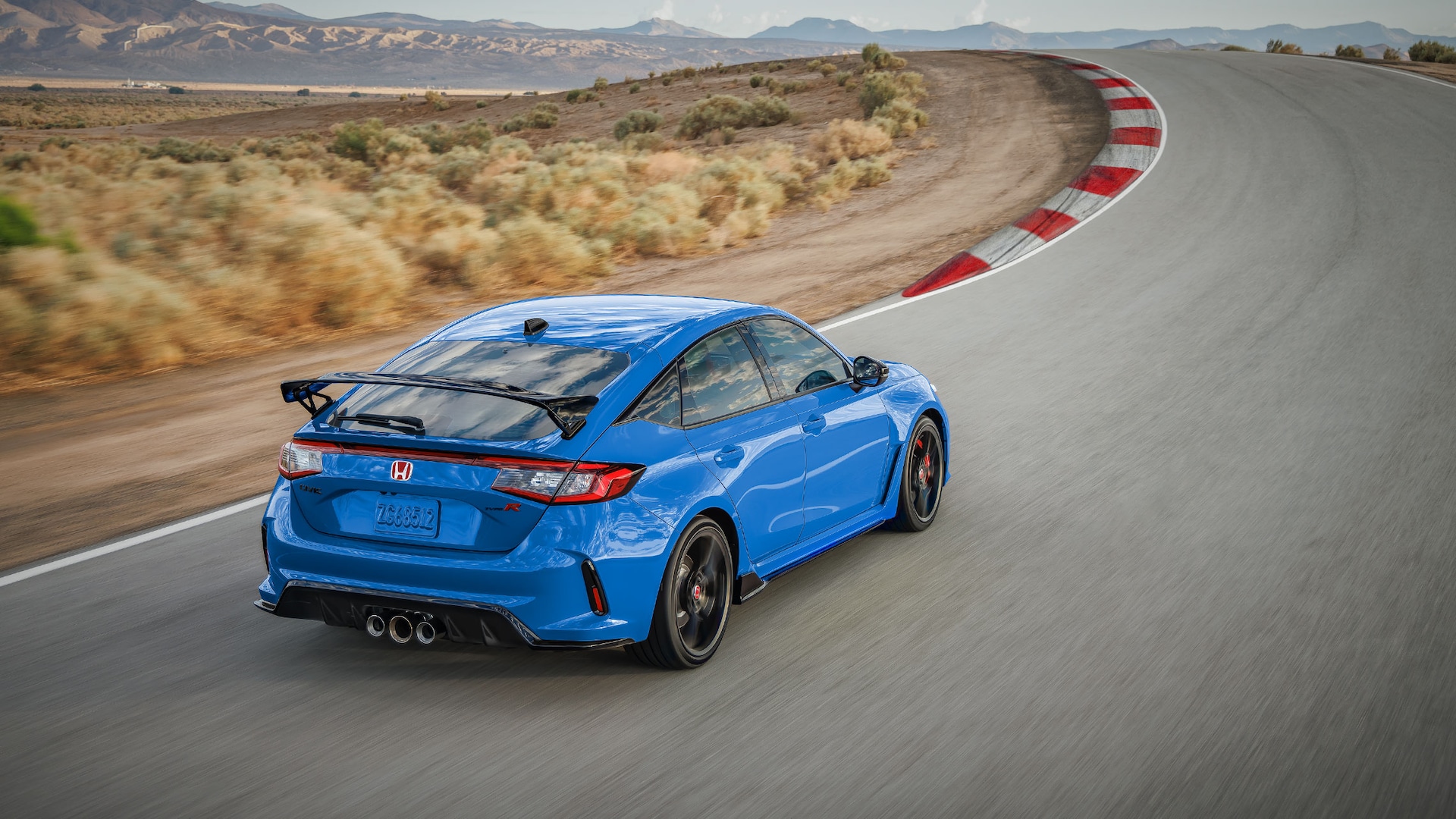
The Honda EF hatch—produced from 1988 through 1991 as part of the fourth-generation Honda Civic line—remains an icon of compact design and efficient packaging. Long before modern crossovers attempted to balance city-friendly footprints with weekend utility, this lightweight three-door hatchback mastered the formula through clever engineering, low beltlines, and an expansive greenhouse. Whether navigating tight urban alleyways or hauling gear for an impromptu camping trip, the EF architecture proved that physical size doesn't limit capability.
Urban mobility today demands agility, high visibility, and exceptional fuel economy, qualities that built the reputation of the classic EF chassis. By combining a generous 98.4-inch wheelbase with short front and rear overhangs, Honda created a vehicle that handles dense city traffic effortlessly while offering surprising interior volume. Examining how this platform approaches urban packaging and outdoor convenience reveals timeless lessons for modern vehicle design.
Architecture of Efficiency: Dimensions and Layout
The foundation of the EF hatch lies in its structural layout. Engineers prioritized functional space by pushing the wheels out to the corners, maximizing the footprint inside a compact 156.1-inch total length.
- Low Beltline and Glass Area: Thin pillars and expansive windows eliminate blind spots, making parallel parking in tight urban spaces intuitive.
- Double-Wishbone Suspension: The adoption of a four-wheel double-wishbone suspension setup provided a rare blend of responsive handling and compliant ride quality on broken city pavement.
- Lightweight Construction: Ranging roughly from 2,100 to 2,300 pounds depending on the trim level, the low mass reduced strain on braking components and enhanced low-speed agility.
This layout allowed drivers to negotiate congested streets with sports-car-like reflexes while retaining enough maneuverability to squeeze into spaces larger cars had to pass by.
Powertrain Lineup and Real-World Performance
Under the hood, the EF hatchback featured a variety of powerplants tailored to efficiency and spirited driving. North American models featured fuel-injected 1.5-liter and 1.6-liter four-cylinder engines, while international markets received carbureted and dual-overhead-cam options.
The base DX and LX trims utilized the D15B2 dual-point injection engine, prioritizing fuel economy for daily commuting. Meanwhile, the performance-focused Si model introduced the D16A6 engine, pushing out 108 horsepower. Because the car weighed so little, even modest horsepower figures translated into lively acceleration.
Fuel efficiency remained a primary draw. Owners routinely saw real-world figures exceeding 30 miles per gallon in mixed driving conditions, lowering the cost of urban commuting and long-distance road trips alike.
Outdoor Convenience and Cargo Versatility
Urban dwellers often require vehicles that can pivot from weekday commuting to weekend recreation without missing a beat. The three-door hatchback configuration of the EF excelled at swallowing bulky gear.
+-------------------------------------------------------+
|                EF HATCHBACK UTILITY PROFILE           |
+-------------------+-----------------------------------+
| Primary Benefit   | Impact on Daily & Outdoor Use     |
+-------------------+-----------------------------------+
| Wide Hatch Opening| Simplifies loading coolers, bikes |
| 60/40 Split Seats | Accommodates long items + passenger|
| Flat Load Floor   | Maximizes usable square footage   |
+-------------------+-----------------------------------+
Folding the rear seats down transformed the compact runabout into a mini cargo van. Surfers, mountain bikers, and campers routinely utilized the roof line and rear hatch opening to transport bulky equipment that would otherwise require a roof rack or a larger SUV. The low lift-over height made loading heavy items effortless compared to taller modern crossovers.
Customization and Enthusiast Culture
Few vehicles have fostered a culture as dedicated as the EF generation Civic. Its straightforward mechanical layout makes it an ideal canvas for enthusiasts.
Common modifications include suspension upgrades, brake swaps, and engine restorations. Because the factory chassis was structurally rigid for its era, minor suspension tuning yields substantial improvements in cornering grip. This accessibility turned the car into a staple for amateur autocross events, where owners could drive their daily commuter to the track, compete, and drive home reliably. You can review official brand heritage milestones directly on the Honda Mobility portal to see how these early layout principles influence modern design.
Common Maintenance Realities
Maintaining an older EF hatchback requires attention to specific platform quirks. Addressing these proactively preserves the vehicle's daily usability:
- Rust Prone Areas: Rear wheel arches and rocker panels trap moisture. Inspect these areas closely before purchasing or restoring a chassis.
- Distributor Wear: Internal coil or igniter failures in the distributor can cause intermittent no-start conditions. Keeping a spare or upgrading the ignition module resolves this.
- Bushings and Seals: Rubber suspension bushings often dry out and crack after decades of exposure, requiring polyurethane or OEM replacements to restore tight handling.
Frequently Asked Questions
What makes the EF chassis different from other Civic generations?
The EF generation (1988–1991) introduced a four-wheel double-wishbone suspension and lower hoodlines that separated it visually and dynamically from earlier boxier generations, while preceding the softer, more rounded curves of the subsequent EG body style.
Is an EF hatch practical for daily driving today?
Yes, provided it has been well-maintained. Its compact exterior dimensions make city parking simple, though older models lack modern safety features like airbags or modern crumple zones.
What fuel economy can owners expect?
Stock models equipped with manual transmissions typically achieve between 30 and 38 miles per gallon depending on highway versus city driving splits and engine tuning condition.
How does the cargo space accommodate outdoor gear?
The wide-opening rear hatch, combined with fold-down rear seating, creates a boxy, uninhibited loading bay capable of holding camping gear, bicycles, or luggage for two passengers easily.



