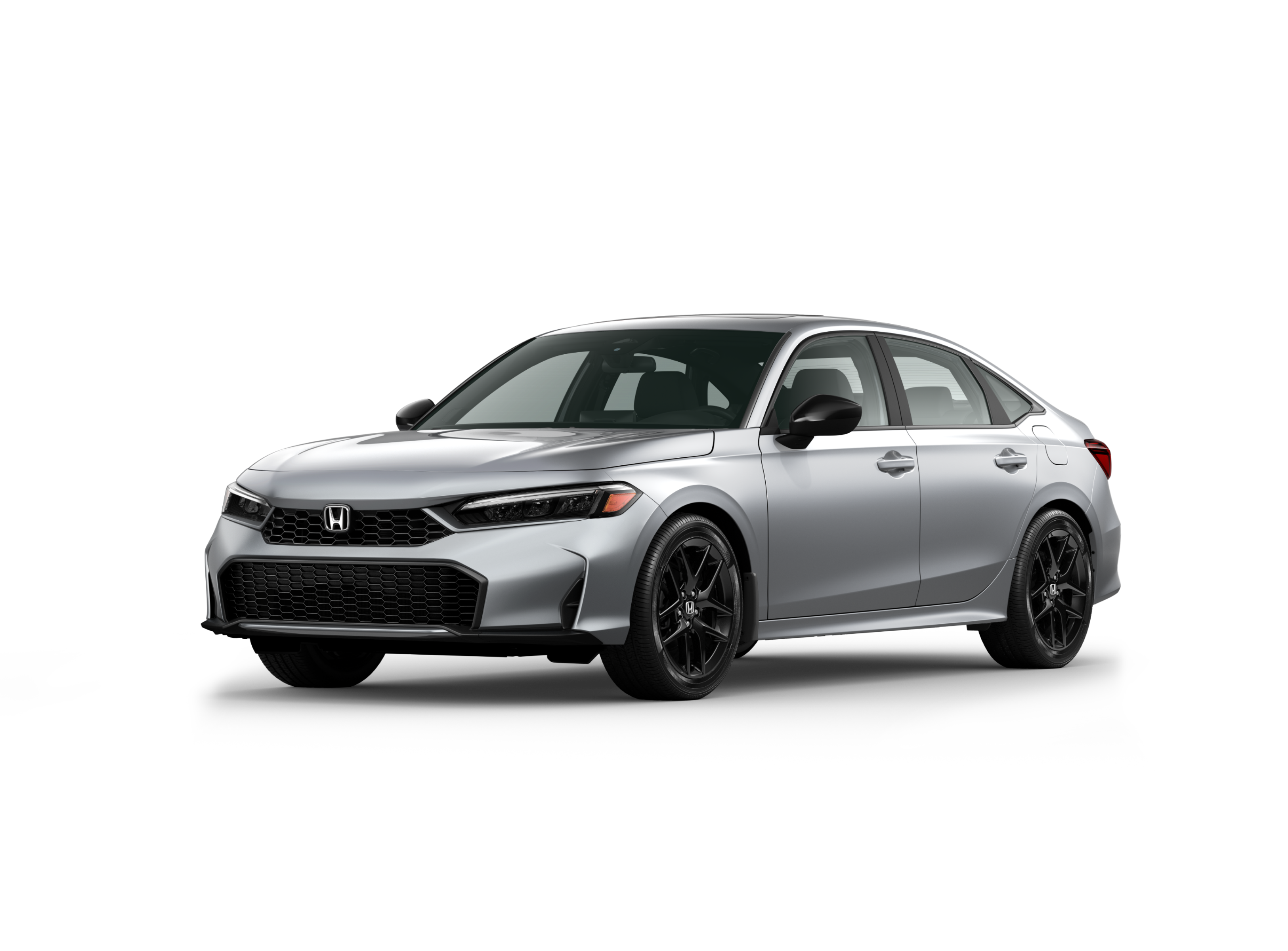
The Honda CR-V remains a heavyweight champion in the compact utility vehicle class because it nails everyday practicality, strong resale value, and predictable driving dynamics. If you're trying to figure out which model year fits your budget or how the generations stack up against one another, you need clear facts without the marketing fluff.
Let's break down how this crossover evolved, what specifications matter most, and where earlier model years tend to stumble.
Six Generations of the Honda CR-V
The CR-V didn't start as a massive seller; it debuted in 1997 as a quirky alternative to traditional body-on-frame trucks. Over nearly three decades, it transformed into a streamlined family hauler.
First Generation (1997–2001)
The original model introduced a 2.0-liter four-cylinder engine making 126 horsepower, later bumped to 146 horsepower. It's famous for its fold-out picnic table stored beneath the rear cargo floor and a side-opening tailgate holding a full-size spare tire. It featured a unique double-wishbone suspension that gave it car-like handling rare for SUVs of that era.
Second Generation (2002–2006)
This generation grew larger and received a more powerful 2.4-liter engine producing 160 horsepower. Honda moved the shifter from the column to the center console in automatic models. While popular, buyers need to watch out for the dreaded "black death" air conditioning compressor failure, where metal shards contaminate the entire AC system and cost thousands to replace.
Third Generation (2007–2011)
Honda ditched the rear-mounted spare tire for a cleaner tailgate that lifted upward conventionally. The spare moved underneath the vehicle. Cabin noise dropped significantly, and handling felt sharper, but owners frequently report issues with power door lock actuators, uneven tire wear, and aging AC components.
Fourth Generation (2012–2016)
Powered by a 2.4-liter engine paired with a continuous variable transmission (CVT) in later years, this generation standardized rearview cameras and introduced smart packaging levers to drop the rear seats flat instantly. Higher trims featured Honda's LaneWatch blind-spot camera. Some owners note an annoying idle vibration rattle that crops up when sitting at traffic lights.
Fifth Generation (2017–2022)
A major shift occurred here with the introduction of a 1.5-liter turbocharged engine making 190 horsepower, alongside a hybrid variant added later in the run. Passenger space expanded, and active safety tech became standard across more trims. Early models (2017–2018) faced well-documented oil dilution issues where unburnt fuel leaked past piston rings into the crankcase, prompting software updates and extended warranties from Honda.
Sixth Generation (2023–Present)
The current iteration features a tougher exterior design, a cleaner interior layout featuring a metal mesh dashboard accent spanning the vents, and a much-improved infotainment display. Hybrids occupy a larger chunk of the lineup, providing punchy low-end torque and better city fuel economy.
Key Specifications and Cargo Capacity
If you're buying a compact utility vehicle, interior volume dictates daily livability. The current generation CR-V provides class-leading storage space that swallows luggage, groceries, and bulky gear without complaint.
- Passenger Volume: Approximately 103 to 106 cubic feet depending on the trim level and sunroof inclusion.
- Trunk Space (Rear Seats Up): 39.3 cubic feet for gas models, and 36.3 cubic feet for hybrid variants due to battery placement.
- Max Cargo Space (Rear Seats Folded): 76.5 cubic feet, which outpaces many direct competitors like the Mazda CX-30 or Subaru Crosstrek.
- Ground Clearance: Roughly 7.8 inches for front-wheel-drive models and 8.2 inches for all-wheel-drive variants, handling rough winter roads or light trailheads easily.
You can review official configuration details directly on the Honda Automobiles platform.
Common Weak Points Across Generations
No vehicle is bulletproof. Knowing what breaks helps you avoid expensive repair bills down the road.
- Air Conditioning Failures: Second and third-generation models are notorious for sudden AC compressor failure. When it goes, it often destroys the condenser and lines, requiring a complete system flush.
- Oil Dilution (2017–2018 Turbos): Cold-weather short trips in the 1.5-liter turbo models can cause gasoline to mix with engine oil. Check service records to ensure any affected vehicle received the official dealer software update.
- Fuel Injector Wear: Direct-injection engines in fifth-generation models occasionally trigger check-engine lights due to premature injector failure, causing rough idling and hesitation.
Frequently Asked Questions
Which Honda CR-V generation is the most reliable?
Third-generation models (2007–2011) and later fourth-generation models (2015–2016) generally score well for mechanical longevity because they use naturally aspirated engines coupled with simpler mechanical setups, provided regular fluid changes were performed.
Do all Honda CR-V models come with all-wheel drive?
No. Front-wheel drive comes standard on base trims across most model years, with Honda's Real Time AWD system available as an option or standard on higher trim levels.
Why does the CR-V hybrid have less trunk space?
The hybrid powertrain requires physical space for the lithium-ion battery pack and electronic control units, which slightly raises the cargo floor and reduces total cubic volume behind the rear seats.
Is the CVT transmission reliable?
Honda's continuously variable transmissions have improved significantly over the years. Modern units require strict fluid changes every 30,000 to 50,000 miles to prevent premature belt slip and overheating. You can read broader automotive reliability metrics via Car and Driver.



