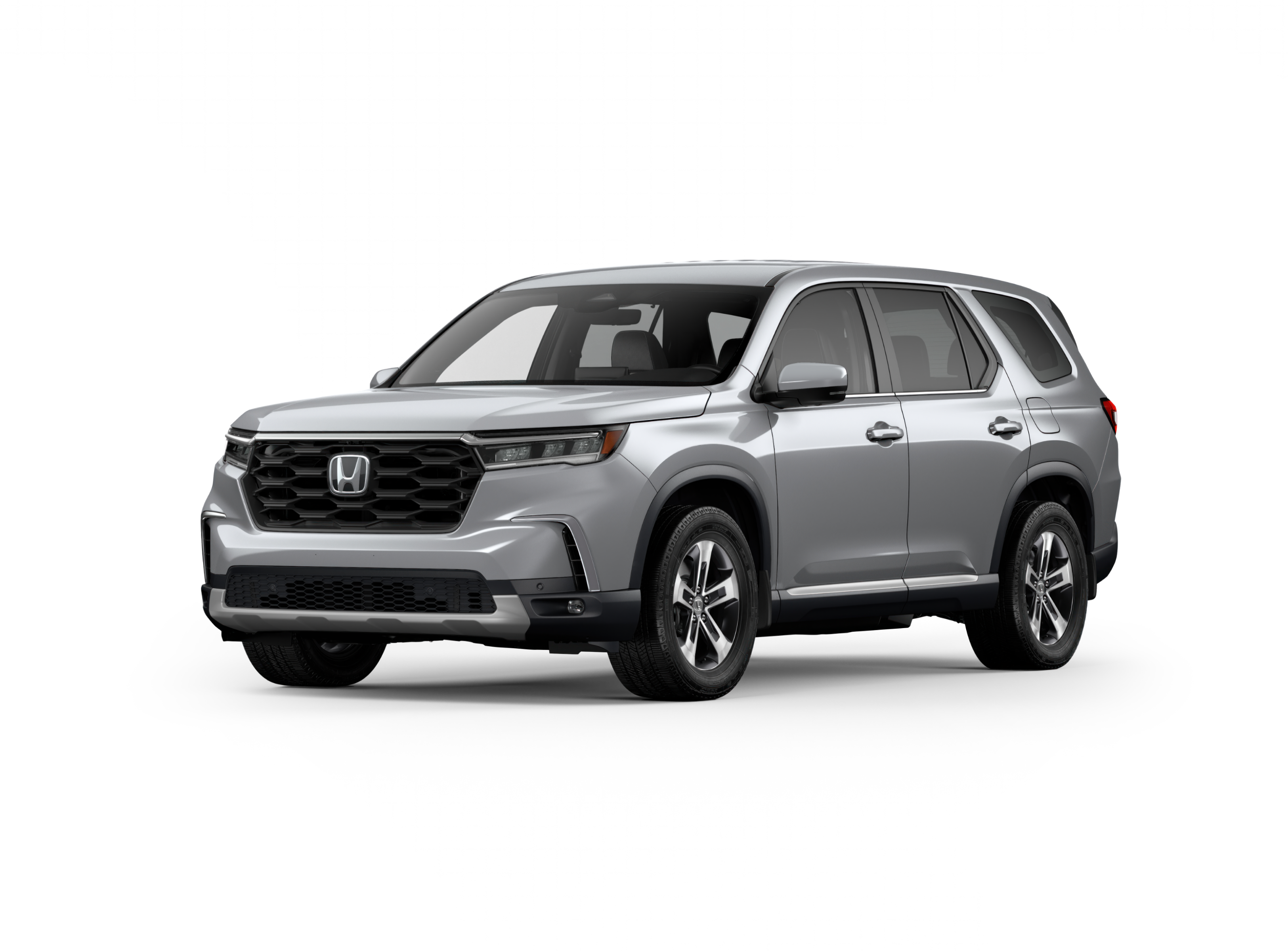
Choosing the right trim level can feel like walking through a maze of incremental price bumps and subtle badge changes. When shopping for a compact sedan, the Honda Civic sits at the top of many shortlists for its fuel efficiency, reliability, and resale value. Within the lineup, two trims often cause decision fatigue for buyers trying to balance comfort features against sticker price: the mid-tier EX and the leather-trimmed EX-L.
Understanding what separates these two models helps you decide whether the price jump makes sense for your daily commute. This breakdown covers everything from cabin materials to real-world ownership costs so you can spend your money wisely.
Tracing the Core Differences
At first glance, both models share the same mechanical foundation. They ride on the same chassis, utilize the same suspension setup, and draw power from the same engine block. Yet, stepping inside or evaluating the spec sheet reveals key divergences in luxury appointments, seating comfort, and convenience tech.
The EX serves as the well-rounded volume seller. It provides essential tech, heated front seats, and a punchy powertrain without demanding top-tier pricing. On the other hand, the EX-L targets drivers who spend long hours behind the wheel and want a more refined, premium cabin atmosphere.
Engine Performance and Driving Dynamics
Under the hood, both trims feature a 1.5-liter turbocharged four-cylinder engine paired with a Continuously Variable Transmission (CVT). This powerplant pushes out 180 horsepower and 177 pound-feet of torque. Because the mechanical components remain identical, you won't notice any difference in acceleration, highway passing power, or throttle response between the two variants.
Fuel economy numbers stay neck-and-neck as well. Both models achieve an EPA-estimated 31 mpg in the city and 38 mpg on the highway. Handling characteristics match precisely too, featuring responsive steering and a composed ride quality that absorbs road imperfections comfortably. For more details on official specifications, you can check the Honda Official Site.
Interior Comfort and Seating Materials
The most significant differentiator between the EX and EX-L lives inside the cabin. While the EX features durable cloth upholstery with manual height adjustments for the passenger seat, the EX-L upgrades to genuine leather-trimmed seats throughout the cabin.
Furthermore, the EX-L adds a power-adjustable passenger seat, allowing front occupants to dial in their preferred seating angle with ease. The leather surfaces clean up quickly after spills and give the interior a mature, upscale feel reminiscent of entry-level luxury cars.
Cabin Technology and Convenience Features
Both trims come equipped with a suite of modern driver-assist technologies, including adaptive cruise control, lane-keep assist, and forward collision warning. However, convenience features diverge in a few subtle ways:
- Mirrors and Visibility: The EX-L includes an auto-dimming rearview mirror, which cuts down glare from headlights behind you during night driving.
- Audio Systems: While the base audio setup in the EX gets the job done for casual listeners, the EX-L often pairs its interior package with an upgraded multi-speaker audio system for crisper sound reproduction.
- Steering Wheel: The EX-L wraps its steering wheel in higher-grade leather, providing a softer, more tactile grip during long road trips.
Evaluating the Financial Trade-Off
The price gap between a new EX and an EX-L typically spans around $1,500 to $2,000 depending on the model year and regional destination fees. Buyers must weigh whether leather seating and minor convenience upgrades justify that added expense.
If you plan to keep the car for five to seven years, that price difference breaks down to just a few extra dollars a month. For drivers who prioritize tactile comfort or live in regions where leather seats resist staining better than cloth, the upgrade pays dividends in daily satisfaction. On the other hand, budget-conscious buyers who rarely carry front-seat passengers may find that the cloth seats in the EX serve their needs just fine.
To see how industry experts evaluate compact sedan values and depreciation rates, you can read reviews on [Car and Driver](https://www.car anddriver.com).
Common Mistakes When Choosing a Trim
Shoppers often make a few predictable missteps when deciding between these two specific Civic variants:
- Ignoring Long-Term Cleaning Needs: Buyers with children or pets sometimes purchase the EX cloth interior to save money upfront, only to spend hundreds on professional detailing later. Leather surfaces wipe clean in seconds.
- Assuming Performance Differences: Some buyers believe higher-letter trims like the EX-L include a faster engine or sport-tuned suspension. In reality, the mechanical performance is identical.
- Overlooking Resale Value: While initial purchase prices differ, trims with leather seating often hold a slight edge in trade-in value on the used car market because second-hand buyers actively seek out leather interiors.
Frequently Asked Questions
Do the EX and EX-L have different sunroof options?
No, both trims come standard with a power moonroof that tilts and slides, letting natural light and fresh air into the cabin.
Is Apple CarPlay wireless on both trims?
Wireless Apple CarPlay and Android Auto integration depends on the specific model year, but recent iterations feature wireless smartphone connectivity on both trims, though some older model years required a USB cable connection.
Does the EX-L ride quieter on the highway?
While Honda applies similar sound-deadening materials to both models, the slight upgrade in door seals and interior materials on upper trims can result in a marginally quieter cabin at highway speeds.
Which trim holds its resale value better?
The EX-L typically commands a slightly higher resale value percentage because used car buyers frequently search for leather seats and upgraded interior amenities.



