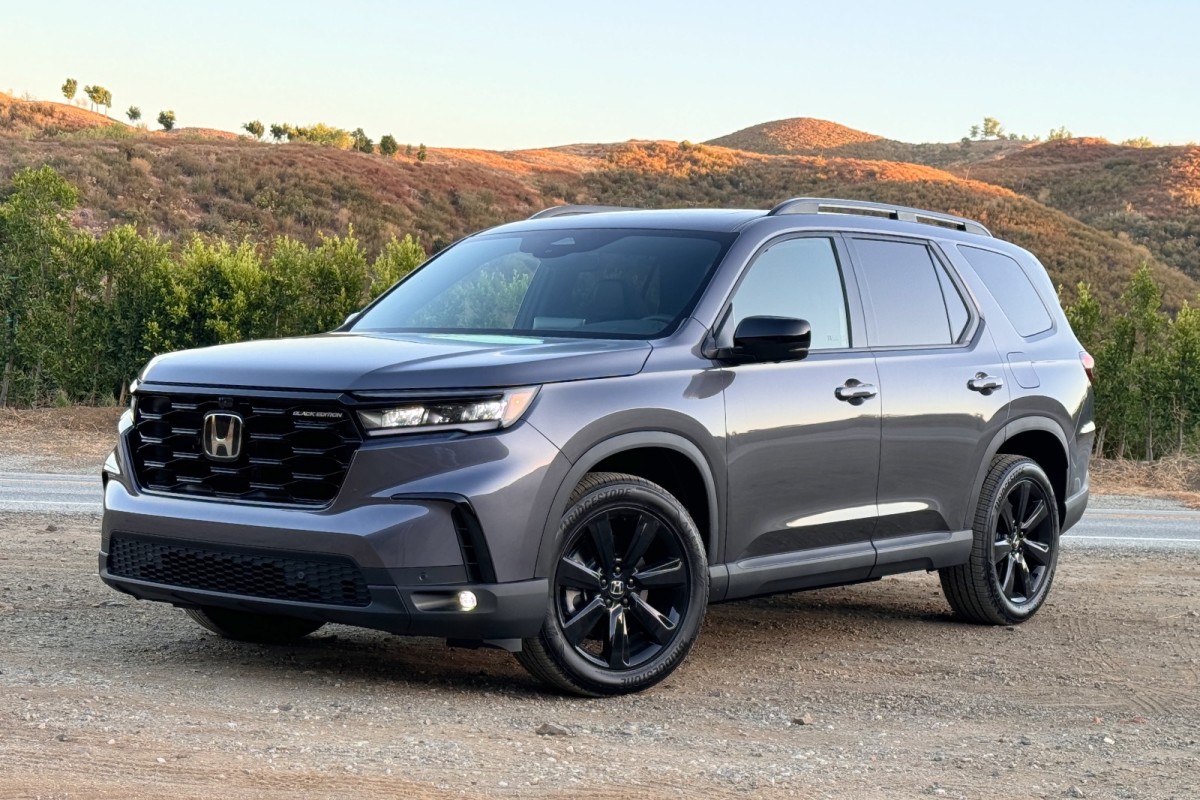
When your Honda Civic door lock stops responding, getting stuck or failing to latch can quickly ruin your day. Whether you're dealing with a key fob that refuses to chirp or a mechanical cylinder that won't turn, diagnosing the root cause saves you a costly trip to the dealership. Modern and older Civics rely on a combination of electronic switches, control units, rods, and actuators, meaning failure can stem from a blown fuse, a worn-out actuator motor, or a snapped latch cable.
This guide walks you through diagnosing and fixing door lock failures on your Honda Civic. You'll learn how to test electrical components, remove interior door panels safely, replace broken actuators, and lubricate mechanical linkages so your doors lock smoothly every single time.
Diagnosing the Problem: Power vs Mechanical Failure
Before tearing into your door panel, you need to determine whether the issue is electrical or mechanical. If all doors fail to respond to the master switch and the key fob, but the key still works manually, you're looking at an electrical or fuse issue. If only one door fails, the problem usually lies inside that specific door assembly.
Start by listening closely when you press the lock button. Do you hear a faint click inside the affected door? If yes, the electrical signal is reaching the door, but the internal motor or mechanical linkage is jammed or dead. If you hear absolute silence, power isn't reaching the lock actuator.
Common Diagnostic Checks
- Check the interior door fuse box under the dashboard. A blown fuse for the power door locks is a quick, inexpensive fix. Consult your owner's manual for the exact fuse number and amperage.
- Test both the driver and passenger master switches. If one works and the other doesn't, the switch itself might have corroded contacts.
- Insert the physical key into the key cylinder. If the key turns freely without engaging the latch, a connecting rod has likely detached inside the door.
- Check your car battery voltage. Low battery voltage can prevent power door lock actuators from receiving enough current to cycle properly.
Removing the Interior Door Panel
If troubleshooting points to an internal component failure, you'll need to remove the door trim panel. Gather a panel removal tool, a Phillips screwdriver, and a flathead screwdriver.
- Disconnect the negative battery cable to prevent any accidental short circuits or airbag deployment alerts while working near electronic window and lock switches.
- Locate and remove the hidden screw behind the interior door handle cup or inside the armrest pocket. Some models hide screws beneath small plastic caps that pop out easily with a flathead tool.
- Pry around the perimeter of the door panel using a plastic trim removal tool to release the plastic pop clips. Work your way carefully from the bottom corners upward.
- Lift the panel slightly upward to clear the window sill lip.
- Disconnect the electrical wiring harnesses for the power windows and door locks, and unhook the metal rods connected to the interior door handle before setting the panel aside.
Replacing a Faulty Door Lock Actuator
The door lock actuator is the small electric motor responsible for driving the mechanical latch when you press your remote. Over time, the internal electric brushes wear down or plastic gears strip out completely. Replacing a dead actuator requires patience, but it's entirely manageable in your driveway.
Once the door panel and moisture barrier plastic sheet are peeled back, locate the latch assembly bolted to the inner edge of the metal door frame. The actuator is typically integrated directly into or attached directly adjacent to the door latch mechanism.
- Unplug the electrical connector attached to the actuator.
- Disconnect any metal rods connecting the exterior door handle or key cylinder to the latch assembly. Take a photo beforehand so you remember their exact routing.
- Remove the Torx or Phillips screws securing the latch assembly to the outer edge of the door frame.
- Maneuver the latch and actuator assembly out through the large access hole in the inner door metal.
- Swap the old actuator for a genuine replacement part, transfer any necessary clips, and reinstall the assembly in reverse order.
Fixing Mechanical Jams and Sticky Latches
Sometimes your Honda Civic door lock isn't broken—it's just dirty, dry, or misaligned. Dirt, road grime, and old grease build up inside the latch mechanism over the years, causing doors to stick halfway or refuse to latch shut when you close them.
Grab a can of WD-40 Specialist White Lithium Grease or a silicone-based lubricant. Avoid standard WD-40 for long-term lubrication, as it evaporates quickly and strips away factory grease.
Lubrication Steps
- Spray the latch mechanism located on the side edge of the door while manually clicking the latch open and closed with a screwdriver to work the lubricant inside.
- Inspect the metal U-shaped striker loop mounted on the car frame. If it has shifted out of alignment, the door will sag and put excessive pressure on the latch.
- Adjust the striker plate by loosening the Torx bolts slightly, tapping it gently into proper alignment with a rubber mallet, and retightening the bolts firmly.
Frequently Asked Questions
Why does only one door on my Honda Civic refuse to lock?
When a single door fails while all others function normally, the issue is almost always localized to that door. It's usually caused by a dead door lock actuator motor or a detached internal control rod rather than a fuse or master switch problem.
Can I still drive my car if the door lock actuator is broken?
Yes, you can manually lock and unlock the affected door using the physical key from the outside or by pushing the manual lock lever from the inside. However, you should repair it promptly for security and convenience.
How long does it take to replace a Honda Civic door lock actuator?
For an intermediate DIYer, replacing a door lock actuator takes roughly one to two hours per door. Taking your time with the plastic trim clips and interior moisture barrier prevents accidental damage.
Is it cheaper to replace the entire latch assembly or just the actuator?
Many aftermarket replacements sell the actuator and latch as a single assembled unit, which makes replacement easier because you don't have to fiddle with tiny internal plastic gears. Check Honda Parts Online for OEM availability and pricing specific to your Civic model year.



