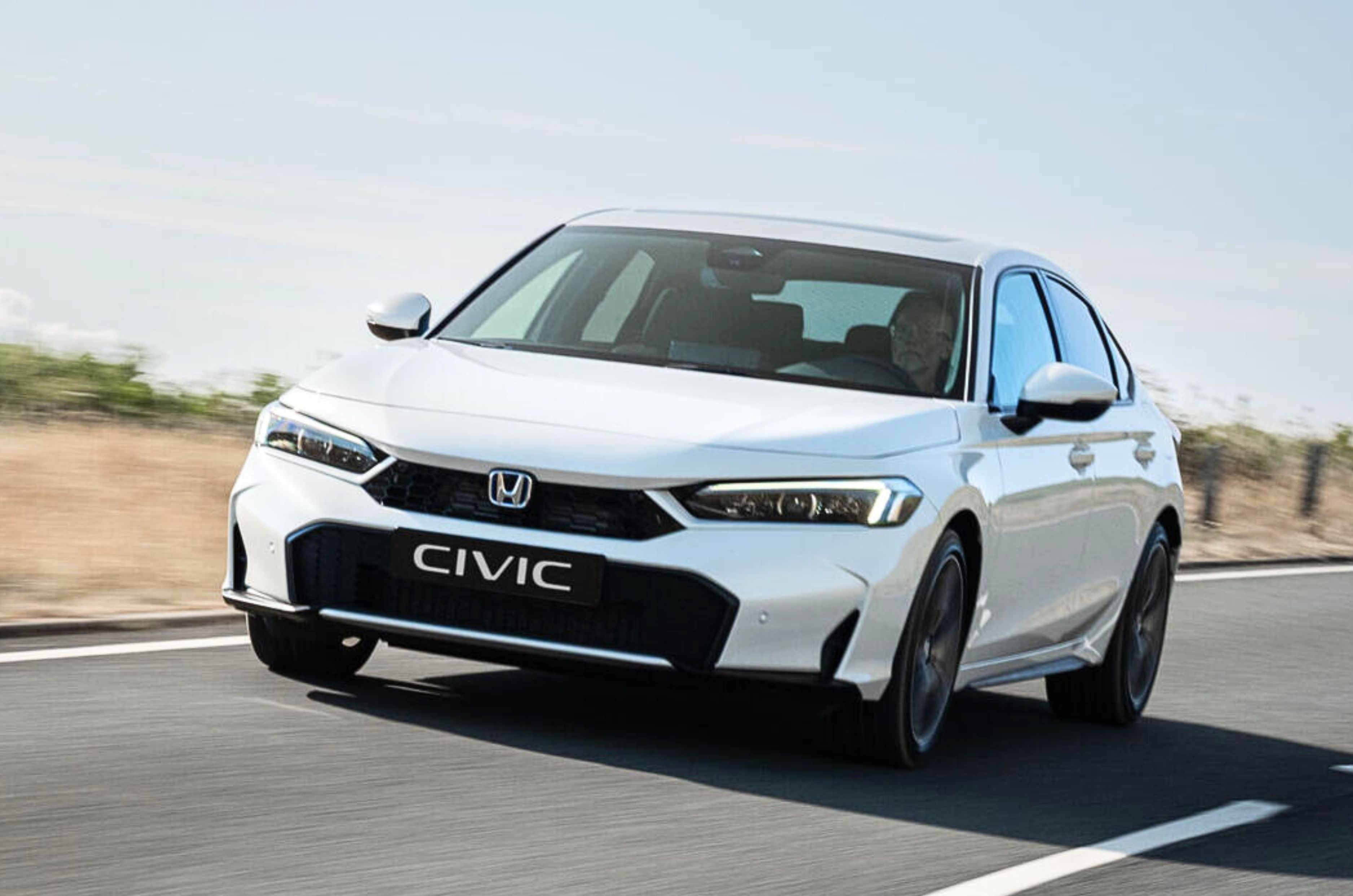
When you need a daily driver that balances low operating costs with genuine entertainment behind the wheel, few nameplates match the track record of the Honda Civic. For decades, this compact car has defined its segment by refusing to force a compromise between practical budgeting and engaging road dynamics. Whether you're commuting through dense city traffic or taking the long way home on a winding country road, the Civic delivers composure, efficiency, and long-term durability.
Beneath its sleek exterior lies an engineering philosophy centered on longevity and everyday usability. Modern iterations balance sharp steering responses with cabin layouts designed to minimize driver fatigue. If you're evaluating compact sedans and hatchbacks, understanding how the Civic achieves its reputation for high resale value and mechanical toughness helps clarify why it remains a benchmark for buyers and automotive critics alike.
Mechanical Reliability and Long-Term Durability
The core of the Civic's reputation rests on hardware designed to withstand hundreds of thousands of miles of regular use. Honda builds these blocks with tight manufacturing tolerances and robust cooling systems, meaning basic upkeep is usually all that's required to prevent catastrophic failures.
Owners frequently cross the 200,000-mile threshold without major engine or transmission overhauls. Achieving this longevity requires adherence to factory maintenance schedules: Related coverage on this matter has been provided by BBC.
- Fluid Changes: Swap transmission fluid and engine oil at prescribed intervals to prevent premature wear on internal metal components.
- Ignition Upgrades: Replace spark plugs with genuine parts on time to maintain optimal combustion efficiency and fuel economy.
- Cooling System Checks: Inspect hoses and coolant condition regularly to safeguard against overheating in heavy summer traffic.
Unlike competitors that experience sudden electrical gremlins or persistent transmission slippage as they age, the Civic holds its mechanical composure. This consistency keeps repair budgets low over ten years of ownership, making it a secure bet for budget-minded buyers purchasing new or used.
Fuel Efficiency and Powertrain Options
Efficiency drives the compact car market, and the Civic satisfies commuters seeking freedom from frequent gas station stops. Standard gasoline configurations pair responsive four-cylinder engines with continuously variable transmissions (CVTs) calibrated to keep engine speeds low during highway cruising.
For drivers prioritizing maximum fuel economy or extra punch, hybrid variants integrate a dual-motor electric system that yields high EPA ratings without sacrificing throttle response. Performance seekers can step up to turbocharged engines mated to manual transmissions or track-tuned hardware variants, proving that high efficiency doesn't mean driving has to be boring.
You'll see real-world savings compound quickly if your daily routine involves heavy highway driving. Aerodynamic body shapes and low rolling-resistance tires help modern specs achieve stellar miles-per-gallon figures that rival dedicated hybrids of past generations.
Driving Dynamics and Interior Practicality
Many economy cars feel hollow or disconnected on the road, but the Civic uses a four-wheel independent suspension setup to provide a stable, planted ride. Steering weight feels natural, offering quick turn-in when you navigate tight parking garages or sweeping highway off-ramps.
Inside the cabin, the layout emphasizes clean lines and physical controls where they matter most. Climate dials and audio knobs are easy to find without taking your eyes off the road, while digital instrument clusters display essential trip and safety data clearly.
- Sedan Utility: Offers a conventional trunk space deep enough for weekly grocery runs and luggage.
- Hatchback Versatility: Opens up a wide rear aperture, allowing bulky items or bicycles to slide in easily when the 60/40 split rear seats fold flat.
Cabin materials resist scuffs and wear over years of passenger entry and exit. Headroom in the rear can feel snug for adults over six feet tall due to the sloping roofline, but legroom remains generous for the compact footprint.
Safety Technology and Driver Assistance
Protecting occupants is a core design pillar, evidenced by standard suite packages like Honda Sensing across the model lineup. These active safety features run quietly in the background to mitigate human error during stressful driving conditions.
- Collision Mitigation Braking: Detects imminent frontal impacts with vehicles, pedestrians, or cyclists, applying emergency braking if the driver fails to react.
- Adaptive Cruise Control: Manages following distances smoothly in stop-and-go freeway congestion.
- Lane Keeping Assist: Applies gentle steering torque to keep the vehicle centered within visible highway lines.
These systems work without feeling overly intrusive or jumpy. When combined with sturdy structural crash protection, they give drivers high confidence whether they're carrying family members or commuting solo. You can read more about vehicle safety standards on the National Highway Traffic Safety Administration portal.
Ownership Costs and Resale Value
When calculating the true cost of vehicle ownership, sticker price is only half the equation. Depreciation and insurance brackets heavily influence your financial footprint over a five-year window.
Because demand for used Civics remains persistently high, the car depreciates slower than almost any rival in its class. When you decide to trade up or sell privately, that residual value acts as a built-in financial cushion. Furthermore, parts availability is widespread, meaning independent mechanics can service them quickly without ordering specialized import components.
Insurance rates also tend to stay reasonable because safety ratings remain high and repair parts are mass-produced. For a deeper look at automotive market trends and depreciation studies, check out insights from Edmunds.
Frequently Asked Questions
Is the Honda Civic expensive to maintain?
No, maintenance costs are lower than average for the compact segment. Routine items like oil changes, brake pads, and air filters are affordable, and mechanical reliability minimizes unexpected repair bills.
How many miles can a Honda Civic last?
With basic routine maintenance, a well-cared-for Civic routinely clears 200,000 to 300,000 miles before requiring major mechanical overhauls.
What is the difference between the Civic sedan and hatchback?
The sedan features a traditional trunk with 14.8 cubic feet of cargo space, while the hatchback features a wider liftgate design and up to 24.5 cubic feet or more of configurable space behind the rear seats.
Does the Honda Civic perform well in winter weather?
Yes. Its front-wheel-drive layout provides balanced weight distribution over the drive wheels. When paired with dedicated winter snow tires, it handles snow and ice securely.



