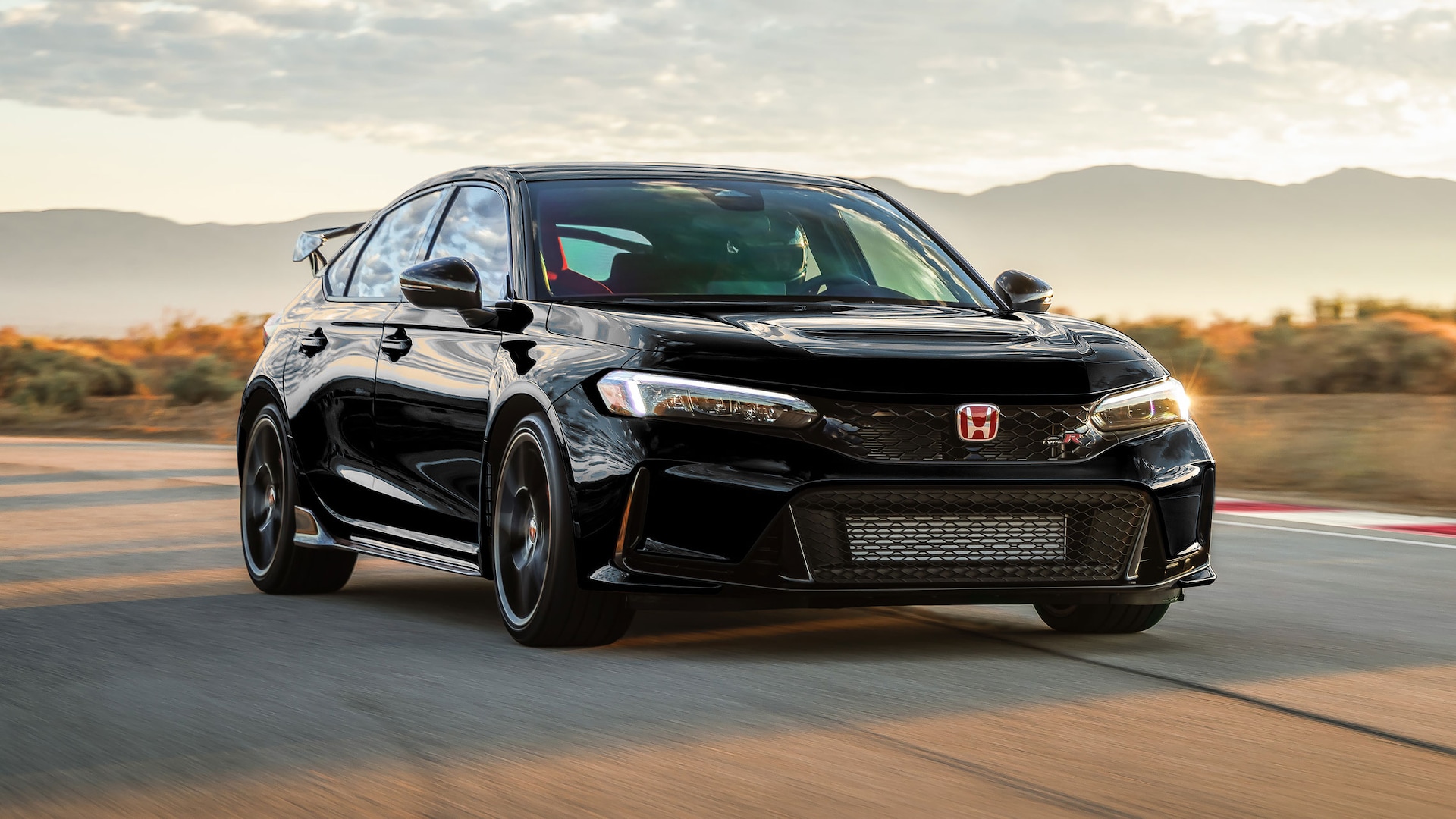
When Honda replaced its classic V6 engine with a turbocharged four-cylinder powerplant, purists raised eyebrows. Yet the Honda Accord 2.0T Touring quickly silenced critics by delivering punchy throttle response and real-world acceleration that punches well above its class. Equipped with a detuned variant of the Civic Type R's engine and a slick 10-speed automatic transmission, this midsize sedan bridges the gap between sensible family transport and genuine sports-sedan performance. If you want to know how this setup translates to the asphalt, you need to look past the spec sheet and examine how power is actually delivered.
Off the line, the 2.0-liter VTEC turbo engine generates 252 horsepower at 6,500 rpm and 273 lb-ft of torque starting at a remarkably low 1,500 rpm. That massive torque wave hits almost instantly, launching the car from 0 to 60 mph in roughly 5.5 to 5.8 seconds depending on traction and testing conditions. Unlike older naturally aspirated engines that require high revs to build momentum, this turbo-four pulls hard right from a standstill, making highway passing and stoplight acceleration effortless.
Powertrain Mechanics and Power Delivery
The core of the Accord 2.0T's speed lies in its mechanical harmony. Honda paired the direct-injection turbo motor with a custom-engineered 10-speed automatic transmission, bypassing the sluggishness often found in traditional torque-converter gearboxes.
- Low-End Torque Spread: Peak torque arrives at just 1,500 rpm and holds flat through 4,000 rpm. This broad power band eliminates turbo lag during normal driving.
- Gear Ratio Optimization: Ten closely spaced ratios allow the transmission to keep the engine operating squarely in its optimal power band during heavy acceleration.
- Shift-by-Wire Response: Steering-wheel mounted paddle shifters offer manual control, though the automatic logic is sharp enough to select the correct gear under hard braking on its own.
While front-wheel drive inevitably introduces minor traction limits when you mash the throttle from a dead stop, the wide 235/40R19 tires bite hard once weight transfers to the rear. Wheelspin is well-managed by the traction control system without abruptly cutting power.
Driving Dynamics and Chassis Control
Straight-line speed is only half the equation. The Touring trim stands apart from lesser models thanks to its standard Adaptive Damper System, which continuously adjusts shock absorber stiffness every fraction of a second based on road conditions and driver inputs.
In Normal mode, the suspension absorbs rough pavement with a compliant, luxury-oriented glide. Switch over to Sport mode, and the dampers firm up immediately, reducing body roll through tight corners. The dual-pinion, variable-ratio electric power steering feels direct and weighted appropriately, providing clear feedback from the front tires.
- Weight Distribution: The front-heavy weight distribution (roughly 61% front / 39% rear) means the car will naturally understeer if you enter a sharp corner too fast, but lift-throttle rotation helps tuck the nose back in smoothly.
- Braking Confidence: Large ventilated front discs bring the sedan down from highway speeds with a firm, progressive pedal feel that resists fade during spirited mountain runs.
- Refinement at Speed: Active Noise Cancellation keeps cabin roar low, meaning high-speed acceleration runs feel composed rather than frantic.
Real-World Performance vs. Competitors
Midsize sedans are a dying breed, but during its production run, the Accord 2.0T faced off directly against turbocharged rivals like the Mazda 6 2.5T and entry-level luxury European compacts.
Where competitors often relied on heavier all-wheel-drive systems that dulled fuel economy and blunted acceleration, the Accord's lighter front-wheel-drive architecture allowed it to exploit its horsepower advantage. On a rolling highway start from 50 to 70 mph, the 10-speed transmission drops four gears instantly, delivering a passing surge that matches cars costing thousands more. Real-world fuel economy hovers around 22 mpg city and 32 mpg highway, making it a commuter car that doubles as a backroad entertainer.
Frequently Asked Questions
Does the Accord 2.0T Touring require premium fuel?
Honda recommends regular unleaded fuel for the 2.0T engine, meaning you don't have to pay extra at the pump to hit advertised horsepower figures. However, the engine management system can automatically adapt timing if higher-octane fuel is used.
Is the 2.0T engine the same as the Civic Type R?
It shares the same foundational engine block architecture, but the Accord uses a smaller single-scroll turbocharger, different cylinder head tuning, and a torque converter automatic rather than the Type R's manual gearbox. It's tuned for broad mid-range street flexibility rather than track-day high-RPM screaming.
Why did Honda discontinue the 2.0T engine?
Honda shifted its long-term corporate strategy toward hyper-efficient hybrid powertrains and electrification across its lineup. While the turbo engine won a massive enthusiast following, market demand pushed the brand toward standard hybrids.
Can you tune the 2.0T for faster acceleration?
Yes. Because the engine is structurally robust and under-stressed from the factory, aftermarket ECU flashes and cold-air intakes can unlock substantial power gains, significantly dropping 0-60 times with minimal mechanical risk.



