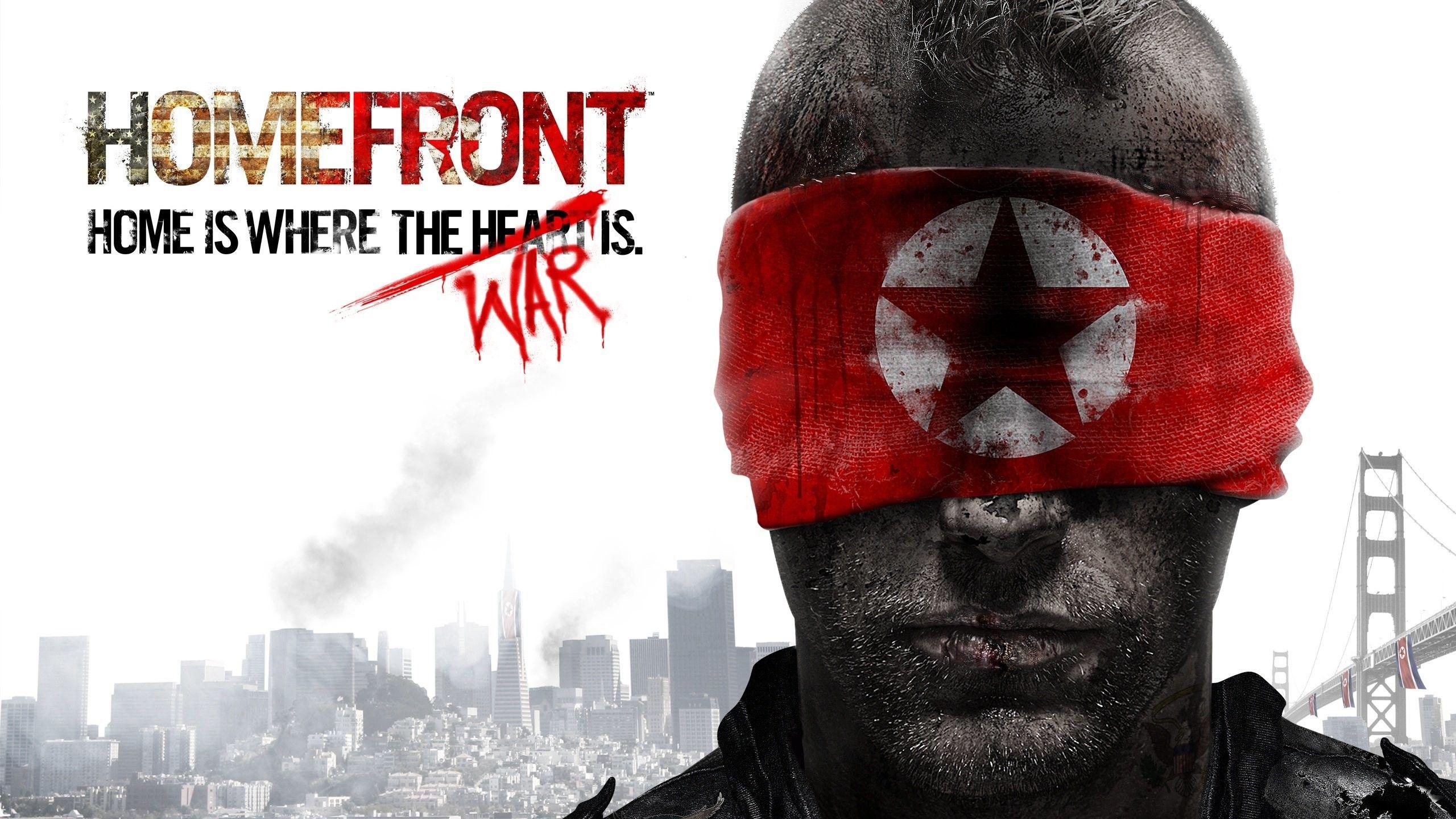
When Homefront: The Revolution launched in 2016, it arrived broken, stuttering, and deeply misunderstood. Developed by Dambuster Studios and published by Deep Silver, the open-world shooter was crucified by critics for abysmal frame rates, persistent save bugs, and repetitive mission loops. Yet years later, whispered recommendations echo across gaming forums: is it actually good now?
The short answer is yes, with notable caveats. Thanks to aggressive post-launch patches, hardware horsepower that finally brute-forces past old optimization blunders, and a distinct flavor of urban guerrilla warfare that modern AAA games rarely touch, it's worth a second look. If you pick it up on sale, you'll find a surprisingly gritty, atmospheric shooter that punches well above its historical reputation.
The Technical Redemption: How Patches Saved the Game
The original release ran like a slideshow on consoles, with frame rates plummeting into the teens during chaotic firefights. Dambuster Studios didn't abandon the project, pushing out extensive performance patches, lighting overhauls, and memory leak fixes.
Playing on modern hardware completely transforms the experience. On current-gen consoles or a competent mid-range gaming PC, the frame rate stays locked, and the persistent stuttering during zone transitions is largely gone. Textures load properly, and the muddy input lag that plagued the 2016 launch has been tightened up. It won't compete with cutting-edge visual showcases released today, but the technical barrier to entry that ruined launch week has been thoroughly dismantled.
Open-World Guerrilla Warfare Done Differently
Most open-world shooters follow a tired formula: climb a radio tower, clear an outpost, repeat. Homefront: The Revolution borrows that structure on paper, but executes it with a distinct immersive flavor inspired by games like Far Cry 2 and Half-Life 2.
You play as Ethan Brady, a member of the Philadelphia resistance fighting against a technologically superior Korean People's Army (KPA) occupation. You aren't a super-soldier; you're an insurgent scavenging scrap metal, mixing fertilizer into pipe bombs, and converting civilian rifles into heavy machine guns on the fly.
The Weapon Modification System
One of the game's standout mechanics is its on-the-fly weapon conversion system. Instead of navigating menus at a workbench, you press a button to snap different parts onto your firearm mid-combat.
- The Submachine Gun transforms into a tactical assault rifle or a close-quarters flamethrower in seconds.
- The Battle Rifle can be swapped into a light machine gun with an extended drum magazine when a KPA armored car rounds the corner.
- Attachments alter recoil, handling, and noise profiles instantly, letting you adapt from stealth infiltration to chaotic gunfights without breaking flow.
Sector Progression and Red Zones
Philadelphia is divided into distinct zones that reflect the grip of the occupation:
- Yellow Zones: Overpopulated slums under heavy surveillance, where you must blend with crowds, hand out leaflets, and instigate subtle riots.
- Red Zones: Decimated warzones where buildings are flattened, drones patrol the skies, and open combat is your only option.
As you liberate a neighborhood, the atmosphere shifts. Citizens begin to fight back, patrols thin out, and the oppressive dread lifts just enough to make your efforts feel tangible.
Where the Game Still Stumbles
Despite its redemption, the game carries the scars of its troubled development cycle. Understanding these flaws will save you from disappointment.
- Uneven AI Behavior: While enemy flanking tactics can surprise you, companion AI often breaks immersion by glitching through cover or teleporting to catch up during stealth sequences.
- Repetitive Side Objectives: Clearing out loudspeakers, hacking radio transmitters, and ambushing supply trucks grows formulaic by the final acts.
- Thin Character Writing: Aside from a few memorable resistance leaders, the core cast feels functional rather than profound, occasionally leaning into dated action-movie tropes.
Resistance Mode: The Forgotten Co-Op Gem
Beyond the single-player campaign, the game features Resistance Mode, a cooperative online mode where players team up to tackle mission-based objectives against KPA forces. While matchmaking queues are quiet today, playing with a friend or solo reveals a surprisingly robust progression system.
You unlock new kits, cosmetic gear, and weapon variants that mirror the main campaign's modular gunsmithing. It lacks the massive player counts of dedicated live-service shooters, but it remains a fun weekend distraction for tactical co-op fans.
Frequently Asked Questions
Do I need to play the first Homefront game to understand this one?
No. Homefront: The Revolution is set in an alternate timeline and features an entirely new cast, setting, and geopolitical conflict. You won't miss any vital plot points by jumping straight in here.
How long does it take to beat the campaign?
A standard playthrough of the open-world campaign takes roughly 12 to 15 hours. If you choose to hunt down every collectible, liberate every red zone, and fully upgrade your gear, expect closer to 20 hours.
Is the stealth gameplay actually viable?
Yes, and it's often more rewarding than going in guns blazing. Using distraction devices, crossbows, and shadow-hiding mechanics lets you ghost through heavily guarded KPA checkpoints, though forcing open combat remains a fun backup plan.
What is the best platform to play it on today?
PC offers the highest frame rates and cleanest image quality, but modern consoles (PlayStation 5 and Xbox Series X/S via backward compatibility) run the game smoothly with stable 60 frames-per-second performance. Avoid playing it on original 2013 base Xbox One or PS4 hardware if possible.



