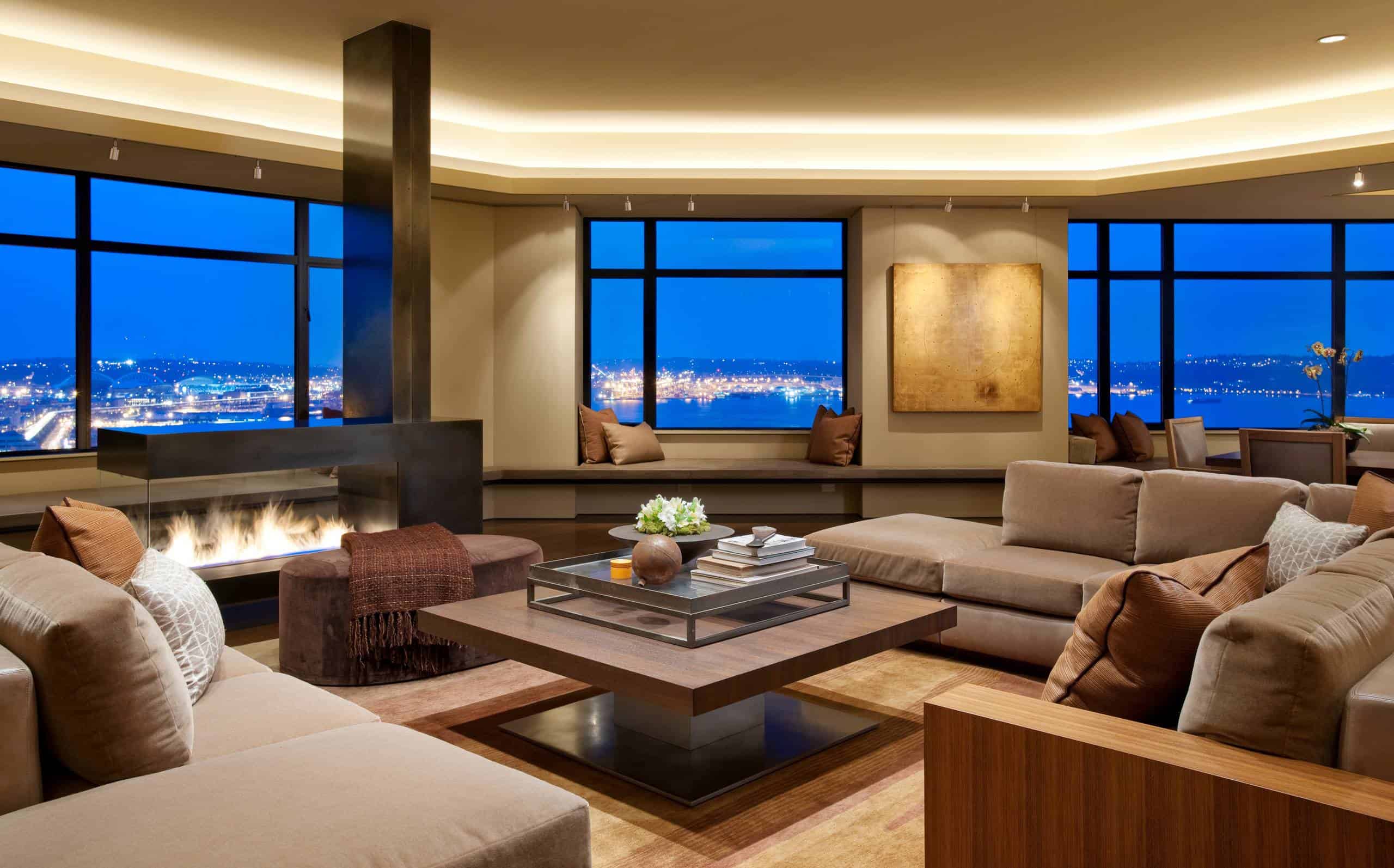
Finding a true sense of belonging in your living space goes far beyond hanging pictures on a wall or choosing a paint swatch. When you focus on home navigate me home principles, you transform a standard house into an intentional environment that supports your daily habits, mental health, and personal growth. Designing this physical and emotional haven requires practical spatial planning, deliberate choices about technology, and a clear understanding of what you need to recharge.
Most residential advice focuses on staging for resale, but creating a personal haven is entirely about your daily experience. You don't need a massive budget or an interior design degree to curate a functional space. By breaking down your layout, managing visual clutter, and establishing healthy digital boundaries inside your rooms, you can build a stable foundation for everyday well-being.
The Evolution of the Modern Living Space
Your relationship with your living space shifts over time. A home that works well for a solo professional rarely suits a growing family or a remote worker needing acoustic privacy. Recognizing these shifts allows you to adapt your environment before frustration sets in. According to guidelines from the American Institute of Architects, thoughtful residential design prioritizes adaptability, natural daylight, and spatial flow to enhance occupant well-being.
When you evaluate your floor plan, look at how you move through each room during a typical weekday. Notice where bottlenecks occur, such as a cramped entryway or a kitchen island that blocks traffic. Small adjustments, like floating furniture away from walls or swapping bulky storage units for vertical shelving, instantly improve room functionality. To understand the full picture, we recommend the excellent article by Glamour.
Identifying Spatial Friction Points
- Entryway Bottlenecks: Shoes, mail, and keys pile up fast. Add a wall-mounted drop zone and dedicated bins to keep floors clear.
- Lighting Deserts: Dark corners drain energy. Layer your lighting with floor lamps, task lights, and bulb temperatures matching natural daylight cycles.
- Acoustic Leakage: Hard surfaces bounce sound everywhere. Soften echoes with thick area rugs, heavy curtains, and upholstered seating.
Integrating Smart Technology Without Losing Privacy
Smart devices promise ultimate convenience, but they often introduce digital clutter and privacy concerns if you aren't careful. Setting up automated thermostats, smart locks, and smart lighting should simplify your routine rather than create a second job monitoring apps.
Start by auditing your connected devices. Keep the tools that genuinely save time, like an automated schedule for your climate control or leak detectors near your water heater. Disconnect devices that require constant troubleshooting or collect unnecessary data about your daily habits.
Best Practices for Minimalist Tech Integration
- Centralize Controls: Use a single tablet or app folder to manage your smart home gear so you're not juggling ten different programs.
- Secure Your Network: Put smart appliances on a separate guest Wi-Fi network to protect your personal computers and financial data.
- Prioritize Manual Overrides: Always ensure lights, locks, and thermostats work manually so power outages don't lock you out of your own systems.
Crafting Rooms That Promote Mental Recovery
A personal haven must act as a buffer against external stress. If your bedroom doubles as an office and your living room feels like a storage locker, your nervous system never truly rests. Creating distinct functional zones within your home signals to your brain when it is time to work, socialize, or sleep.
If you work from home, physical separation matters. If a separate office isn't possible, use a folding screen, a distinct lighting shift, or pack your laptop away at the end of the workday. For deeper insights on environmental psychology and mental health, consult research shared by the U.S. Department of Health and Human Services regarding healthy living environments.
Practical Steps for Room Zoning
- Establish a Digital Sunset: Keep phones and tablets out of the bedroom an hour before sleep to improve your rest quality.
- Incorporate Natural Elements: Houseplants like snake plants or pothos improve indoor air texture and add calming organic greens to your sightlines.
- Curate Personal Artifacts: Display items that tell your actual story—like travel books, family heirlooms, or handmade art—instead of generic mass-market decor.
Connecting Your Haven to the Local Community
A house isn't an isolated bubble; its value multiplies when it connects to a supportive neighborhood. Navigating your local area—finding nearby parks, quiet walking trails, farmers markets, and community centers—anchors you deeply to your surroundings.
Take a Saturday morning to explore streets within a one-mile radius of your front door. Introduce yourself to local business owners and find out where your neighbors gather. Building these micro-connections turns an unfamiliar neighborhood into a true community, giving you a wider safety net and a stronger sense of place.
Frequently Asked Questions
How do I start designing a personal haven on a tight budget?
Focus on editing and organizing before buying anything new. Decluttering surfaces, rearranging furniture for better light and flow, and deep cleaning cost zero dollars and make an immediate impact.
How can I make a small apartment feel larger?
Use vertical space with tall bookshelves, keep sightlines open by avoiding oversized furniture, and use mirrors opposite windows to bounce natural light deeper into the room.
What should I do if my family members have conflicting style preferences?
Designate one shared common area as a collaborative compromise zone, and let each family member have total creative control over their personal bedroom or workspace.
How do I stop clutter from creeping back into my living space?
Adopt a one-in, one-out rule for clothes, kitchen gadgets, and decor items. Run a quick ten-minute reset at the end of each evening to put items back in their designated homes.


