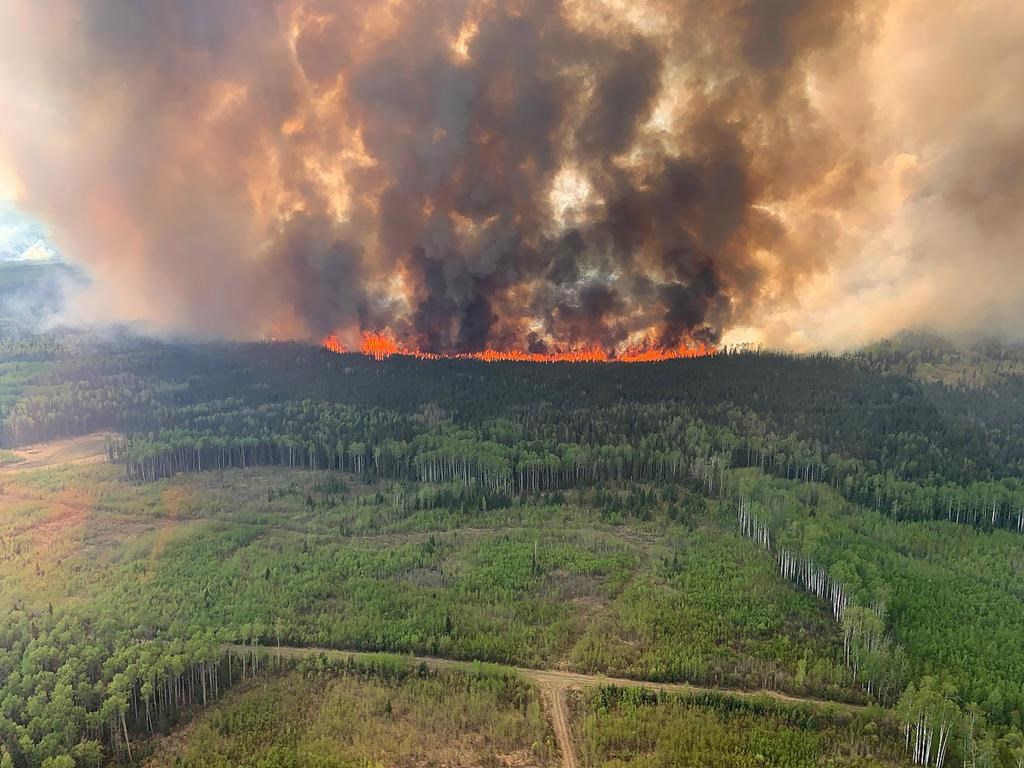
Every year, residential fires cause thousands of preventable injuries and billions in property damage. While most people assume a fire won't happen to them, basic preparation separates minor kitchen flare-ups from total structural losses. Mastering home fire safety requires understanding what causes blazes, installing reliable detection systems, and maintaining clear, practiced escape routes.
Understanding Common Fire Hazards
Most home fires start from predictable sources. Knowing these common triggers allows you to eliminate risks before an emergency occurs.
- Unattended Cooking: Cooking equipment remains the leading cause of residential fires. Leaving frying pans, boiling oil, or baking items unattended for even a minute creates an immediate hazard.
- Electrical Faults: Outdated wiring, overloaded power strips, and frayed appliance cords generate dangerous heat arcs behind walls and beneath furniture.
- Heating Equipment: Space heaters placed too close to curtains, blankets, or furniture account for a significant percentage of winter home fires.
- Smoking Materials: Improperly extinguished cigarettes tossed near dry brush, mulch, or upholstered furniture frequently ignite slow-burning, destructive fires.
- Candles: Open flames left burning in empty rooms or placed near flammable decorations easily tip over or ignite nearby dust and fabrics.
Essential Prevention Measures
Preventing a fire starts with active maintenance and proper safety equipment placement throughout your home.
Smoke Detection and Testing
Working smoke alarms cut your risk of dying in a home fire in half. Install ionization and photoelectric alarms on every level of your home, inside every bedroom, and outside sleeping areas. Test each unit monthly by pressing the test button, and replace the batteries every six months unless you use sealed 10-year lithium batteries. Vacuum dust out of the alarm covers annually to prevent false alarms and sensor blockages.
Safe Heating and Electrical Practices
Keep space heaters at least three feet away from anything that can burn, including bedding, papers, and rugs. Always plug heavy heating appliances directly into a wall outlet rather than an extension cord or power strip, which can overheat. If your circuit breakers trip repeatedly, or if you notice flickering lights and discolored wall outlets, stop using the circuit immediately and call a licensed electrician.
Fire Extinguishers: Selection and Proper Use
A portable fire extinguisher can stop a small fire from spreading, but only if you choose the right class and know how to operate it safely.
- Class A: For ordinary combustibles like wood, paper, cloth, and trash.
- Class B: For flammable liquids such as gasoline, oil, paint, and kerosene.
- Class C: For energized electrical equipment, including appliances and wiring.
- Class K: For cooking oils, fats, and greases commonly found in kitchens.
Most residential utility extinguishers are rated ABC, covering the three most common household fire types. When operating an extinguisher, remember the PASS method:
- Pull the pin on the extinguisher handle.
- Aim the nozzle low, pointing directly at the base of the fire.
- Squeeze the handle uniformly to release the extinguishing agent.
- Sweep the nozzle side to side across the base of the fire until it appears to be out.
Never attempt to fight a fire if it is spreading rapidly, if it blocks your only escape route, or if you lack the right extinguisher. In these situations, evacuate immediately and call emergency services.
Designing a Family Escape Plan
In a real fire, you have less than two minutes to escape safely once smoke alarms activate. A written, practiced plan eliminates panic.
Draw a floor plan of your home showing two ways out of every room—usually a door and a window. Choose a permanent outdoor meeting place a safe distance from the house, such as a large tree, mailbox, or neighbor's porch. Assign specific adults to assist young children, elderly family members, or pets who cannot evacuate independently.
Practice your escape route twice a year. Conduct drills during both daytime and nighttime hours to ensure everyone wakes up and reacts correctly to the alarm sound. Teach family members to crawl low under smoke where the air is cleaner and cooler, and practice testing closed doors for heat with the back of your hand before opening them.
Frequently Asked Questions
How often should household fire extinguishers be replaced?
Most standard disposable fire extinguishers should be replaced every 10 to 12 years, regardless of whether they have been used. Check the manufacture date stamped on the metal cylinder or label. Rechargeable models require professional servicing every six years or immediately after any discharge.
What should I do if grease catches fire on the stove?
Never use water on a grease fire, as it causes the burning oil to splatter and spread rapidly. Instead, turn off the burner immediately and cover the pan with a metal lid or a baking sheet to starve the fire of oxygen. If the fire is small and contained inside the pan, you can also smother it with baking soda.
Can smoke alarms expire?
Yes. Smoke detectors lose sensitivity over time due to dust, insects, and sensor degradation. Replace all ionization and photoelectric smoke alarms every 10 years from the date of manufacture printed on the back of the unit.
Where is the safest place to store a home fire extinguisher?
Mount extinguishers in high-risk areas—such as the kitchen, garage, and workshop—near an exit path rather than directly next to potential fire sources. This ensures you can reach the extinguisher without getting trapped behind the flames.



