Tackling your own household repairs and vehicle upkeep saves you cash and builds real-world competence. You don't need a mythical Greek hero's backstory to master basic handiwork; you just need a methodical approach, the right tools, and a willingness to learn from minor mistakes.
When a pipe drips or your engine makes an unfamiliar ticking sound, ignoring it only turns a minor annoyance into an expensive emergency. Let's break down the essential diagnostics, fixes, and preventative routines for both your house and your car so you can handle routine maintenance with confidence.
Essential Home Repair Fundamentals
Most household maintenance tasks boil down to three systems: plumbing, electrical, and structural hardware. Knowing how to isolate problems safely stops minor damage from destroying drywall or ruining subfloors.
Plumbing Basics
Water causes the most destructive residential damage because leaks hide inside walls or under floorboards.
- Locate your main water shut-off valve: Every homeowner needs to know where this valve is before an emergency strikes. It's usually near the front foundation wall or outside near the water meter.
- Fixing a running toilet: Most running toilets stem from a warped flapper valve or a chain that's too tight. Replacing a flapper takes five minutes and requires no tools.
- Clearing a slow drain: Skip harsh chemical drain cleaners that eat away at older metal and PVC pipes. Use a plastic zip-it tool or a drum auger to pull hair and soap scum directly out of the trap.
Basic Electrical Checks
Electricity demands absolute respect. Always shut off the corresponding breaker at the main service panel before touching switches, outlets, or fixtures, and verify the circuit's dead with a non-contact voltage tester.
- Replacing outlets: If an outlet feels loose or scorched, replace it immediately to prevent electrical fires. Match the black wire to the brass screw, white to silver, and bare copper to the green ground screw.
- Swapping light fixtures: Turn off the power, disconnect the wire nuts, support the fixture weight, and match the house wires to the fixture leads using UL-listed connectors.
Hardware and Carpentry
Doors sag, drywall dings, and cabinet hinges loosen over time. Fix stripped screw holes in wood by filling the hole with wood glue and wooden golf tees or toothpicks, letting it dry, and driving the screw back in for a tight grip. For minor drywall holes, apply mesh tape, feather lightweight joint compound across the surface in thin coats, sand smooth, and paint.
Essential Car Repair and Maintenance
Modern vehicles feature complex computer systems, but routine mechanical maintenance still relies on physical checks and basic tools you can perform in your driveway.
Fluid Checks and Changes
Checking fluid levels every month prevents premature engine wear and catastrophic overheating.
- Engine oil: Pull the dipstick, wipe it clean, reinsert it fully, and check the level against the hatch marks. Dark oil is normal, but milky oil indicates coolant leaking into the engine.
- Brake fluid: Keep the reservoir between the minimum and maximum lines. If the level drops steadily, you've got a leak or severely worn brake pads that need immediate attention.
- Coolant: Only check the coolant recovery tank when the engine is completely cold to avoid severe steam burns.
Brake Pad Replacement
Worn brake pads grind against rotors, destroying stopping power. Changing pads yourself is straightforward on most vehicles.
- Jack safely: Always support the vehicle with solid jack stands on level ground; never rely solely on a hydraulic floor jack.
- Compress the caliper: Use a C-clamp or specialized caliper wind-back tool to push the caliper piston back into its housing so the thicker new pads fit over the rotor.
- Torque the lug nuts: When lowering the car back down, use a torque wrench to tighten lug nuts to the manufacturer's exact foot-pound specification in a star pattern.
Battery Health and Terminals
Corrosion on battery terminals blocks electrical current, leaving you stranded with a car that won't crank. Clean white or bluish-green buildup using a wire brush dipped in a baking soda and water solution, then coat the terminals with dielectric grease to prevent future oxidation. You can test your alternator and battery health at home using a digital multimeter set to DC voltage.
Essential Tools for Your Workshop
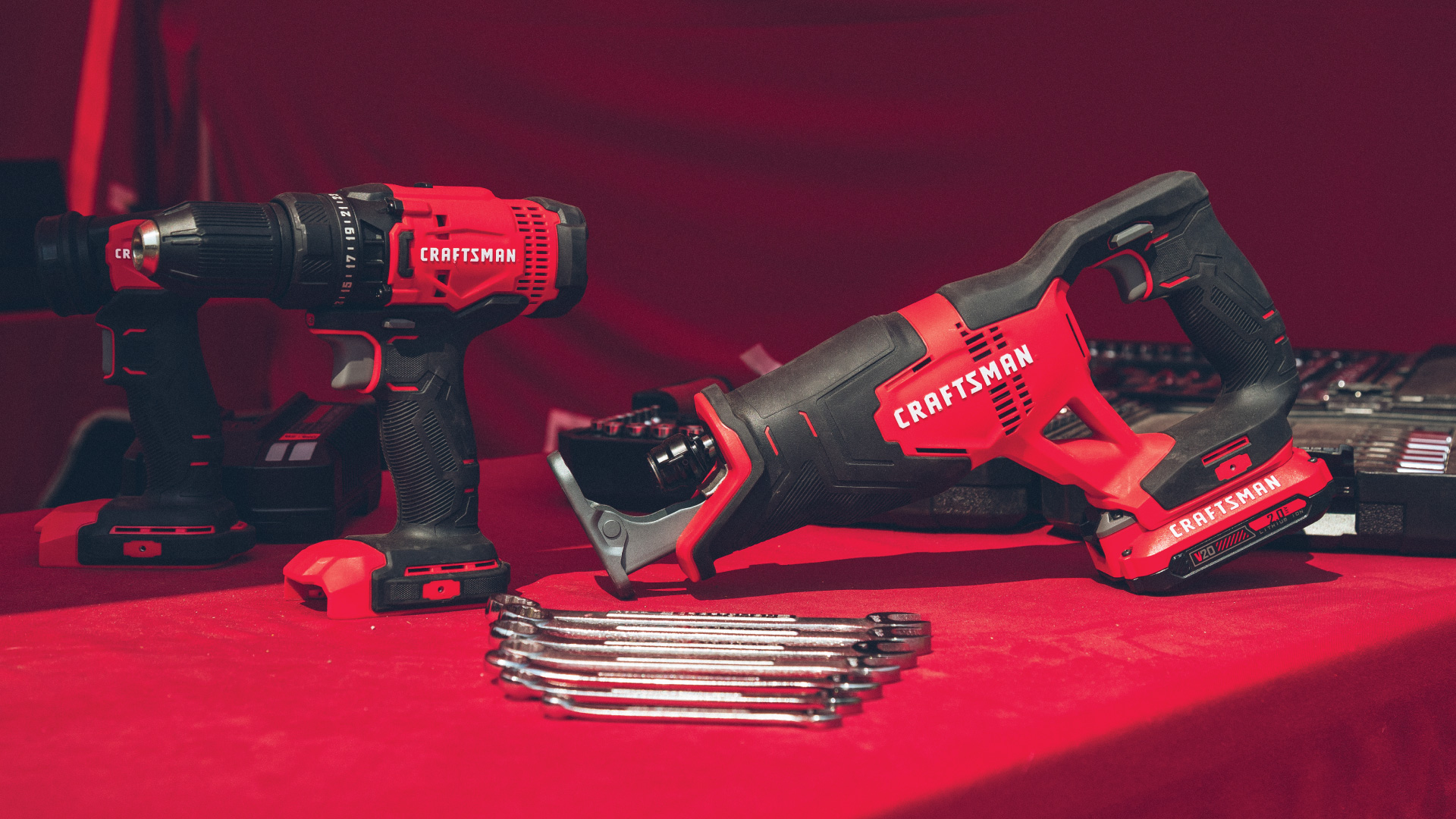
You can't fix what you can't reach. Building a reliable tool collection doesn't require buying everything at once, but certain items are non-negotiable for basic repairs.
- Socket and ratchet set: A standard metric and SAE 3/8-inch drive socket set handles most automotive bolts and heavy household fasteners.
- Multimeter: Essential for tracking down electrical continuity, checking household outlet voltage, and testing car batteries.
- Pliers and screwdrivers: Keep a set of insulated screwdrivers and tongue-and-groove pliers (Channellocks) for gripping, turning, and pulling.
- Cordless drill: Speeds up assembly, drilling, and driving tasks across wood, metal, and drywall.
Common DIY Repair Mistakes to Avoid
Even enthusiastic do-it-yourselfers run into trouble by skipping small details. Watch out for these frequent missteps:
- Skipping safety gear: Safety glasses and leather work gloves protect against flying metal shavings, chemical splashes, and unexpected slips.
- Forcing fasteners: If a bolt or screw binds up halfway, stop. Forcing it strips threads or snaps bolt heads off, turning a five-minute fix into a frustrating extraction job.
- Ignoring the manual: Guessing how a part disassembles usually breaks plastic clips and tabs. Check repair forums or official service guides before pulling panels apart.
- Over-tightening: More muscle doesn't always mean a better seal. Over-tightening strips threads on oil pans, plumbing fittings, and delicate electronics.
Frequently Asked Questions
How do I know when a repair is too complex for DIY?
If a repair involves high-voltage home wiring behind the main panel, structural load-bearing walls, SRS airbags in a car, or high-pressure gas lines, stop and call a licensed professional. Saving money isn't worth risking your safety or violating local building codes.
What basic car maintenance can I do without a garage?
You can easily check tire pressures, top off windshield washer fluid, change engine air filters, replace wiper blades, test and clean battery terminals, and check oil levels on any flat, safe parking surface during daylight hours.
How much money does basic home and car DIY actually save?
Labor rates for mechanics and handymen routinely range from seventy to over one hundred and fifty dollars per hour. Doing simple tasks like changing your own oil, replacing a toilet fill valve, or swapping an electrical outlet saves hundreds of dollars in service call fees every year.
What is the best way to organize a starter tool kit?
Start with a durable metal or canvas toolbox, keep your most-used hand tools in the top tray, and store specialized diagnostic gear like your multimeter in a protective case to keep leads from fraying.