When you look in the mirror wearing form-fitting clothes, you might notice an inward curve just below your hip bones. These indentations, commonly called hip dips or violin hips, spark endless debates online about whether they're normal or attractive. The direct answer is that hip dips are a completely natural structural trait dictated by your skeleton, and millions of people have them regardless of their weight or fitness level.
Attractiveness isn't a monolith, and treating a standard skeletal feature as a flaw stems from unrealistic beauty standards popularized by heavily edited media. Your pelvis shape, femur placement, and fat distribution combine to create this contour. Understanding why they happen helps separate biological reality from internet fiction, allowing you to focus on functional strength rather than chasing impossible anatomical changes.
What Causes Hip Dips Structurally?
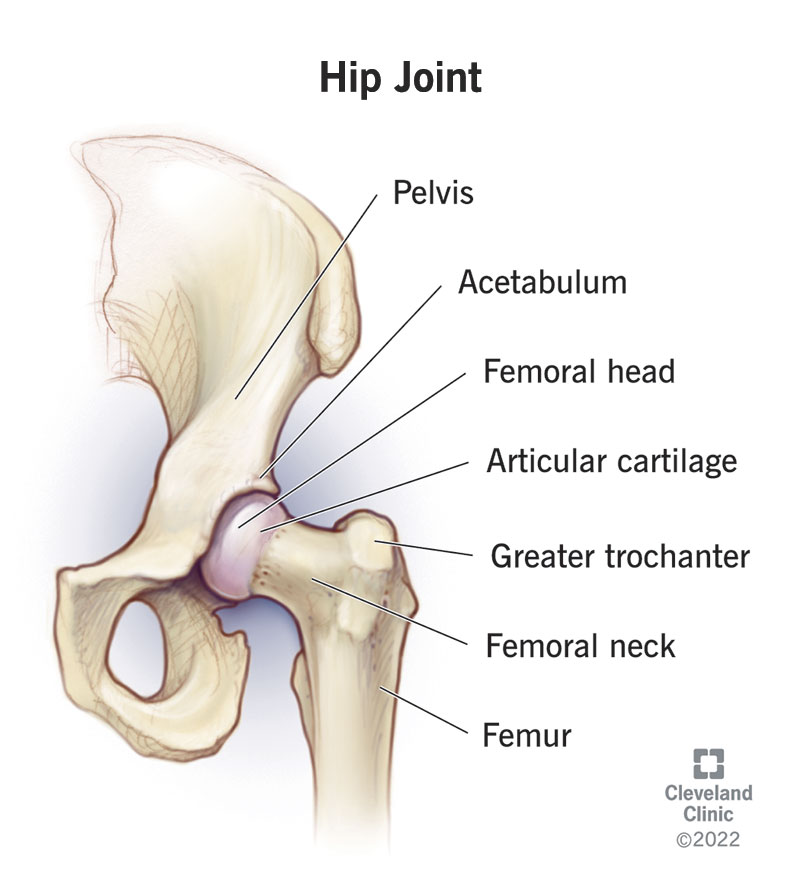
To understand hip dips, you have to look at the skeletal foundation beneath your skin. The indentation occurs in the space between the upper ridge of your pelvis (the iliac crest) and your thigh bone (the femur).
When the distance between your hip bone and hip socket is wider, or when your pelvic bones flare outward, the inward curve becomes more prominent. Muscles like the gluteus medius attach around these bones, but they don't always fill the gap completely because of your unique bone geometry.
- Pelvic width: A broader pelvis naturally creates more pronounced transitions between the waist, hip, and thigh.
- Greater trochanter height: The position of the top of your femur dictates where your leg mass begins relative to your pelvis.
- Fat distribution: Genetic predisposition dictates where your body stores subcutaneous fat, which can either soften or highlight skeletal indentations.
Because these traits are hardwired into your skeletal framework, no topical cream or generic workout routine can alter your bone structure. Recognizing this prevents you from wasting time on routines that promise structural transformation.
Can Exercise or Weight Loss Change Hip Dips?
A pervasive myth claims you can completely erase hip dips through targeted lower-body exercises or extreme weight management. Fitness culture often pushes spot-reduction myths, but biology operates differently.
While you cannot change your bone structure, you can build muscle mass around the hip and glute region to alter your overall silhouette. Hypertrophy of the gluteus medius and minimus can slightly fill out the upper side of the glutes, though it rarely removes the indentation entirely.
- Incorporate lateral movements like side leg raises, cable abductions, and clam shells to strengthen the outer glutes.
- Focus on compound lifts such as squats and deadlifts to build overall lower body strength and muscle density.
- Manage expectations: muscle growth fills out soft tissue, but the underlying skeletal gap usually remains visible to some degree.
Drastic weight loss often makes hip dips more prominent because reduced fat volume exposes the underlying pelvic bones. Conversely, gaining weight might soften the curve for some people, but it depends entirely on your personal fat distribution pattern. The American Council on Exercise provides guidance on realistic physical fitness goals and sustainable health practices without falling for cosmetic traps.
Wardrobe Choices and Styling for Comfort
If your hip dips make you feel self-conscious in certain outfits, wardrobe adjustments can smooth your silhouette. Clothing construction plays a major role in how fabrics drape over your natural contours.
Stiff or ultra-thin clinging fabrics tend to track every contour of the body, highlighting indentations. Instead, choosing structured materials with a bit of weight allows the fabric to glide smoothly past the hip line.
- A-line skirts and dresses skim over the hip bones without clinging to the indentations.
- Mid-rise or high-rise structured trousers with tailored waistbands create a clean vertical line.
- Peplum tops and structured jackets add volume at the hip line to balance proportions.
Dressing for your comfort means wearing garments that make you feel secure rather than hiding your body out of shame. Fashion should accommodate human diversity, not force uniform shapes onto unique skeletons.
Frequently Asked Questions
Are hip dips a sign of being out of shape?
No. Hip dips appear on elite athletes, runners, and bodybuilders who maintain very low body fat percentages. They are tied to bone structure, not muscle tone or body mass index.
Do men have hip dips?
Yes. People of all genders have pelvises and femurs, meaning hip dips occur across all biological sexes. Cultural conditioning simply focuses body scrutiny more heavily on women's silhouettes.
Can bad posture make hip dips look worse?
Slouching or standing with your weight shifted onto one hip can tilt your pelvis and make muscle imbalances or indentations appear more pronounced temporarily, though it doesn't change your actual anatomy.
Why did everyone suddenly start talking about hip dips?
The term gained traction largely through social media platforms where macro-analysis of micro-features became common. Heavily curated images and video angles normalized an airbrushed ideal that ignores normal human anatomy.



