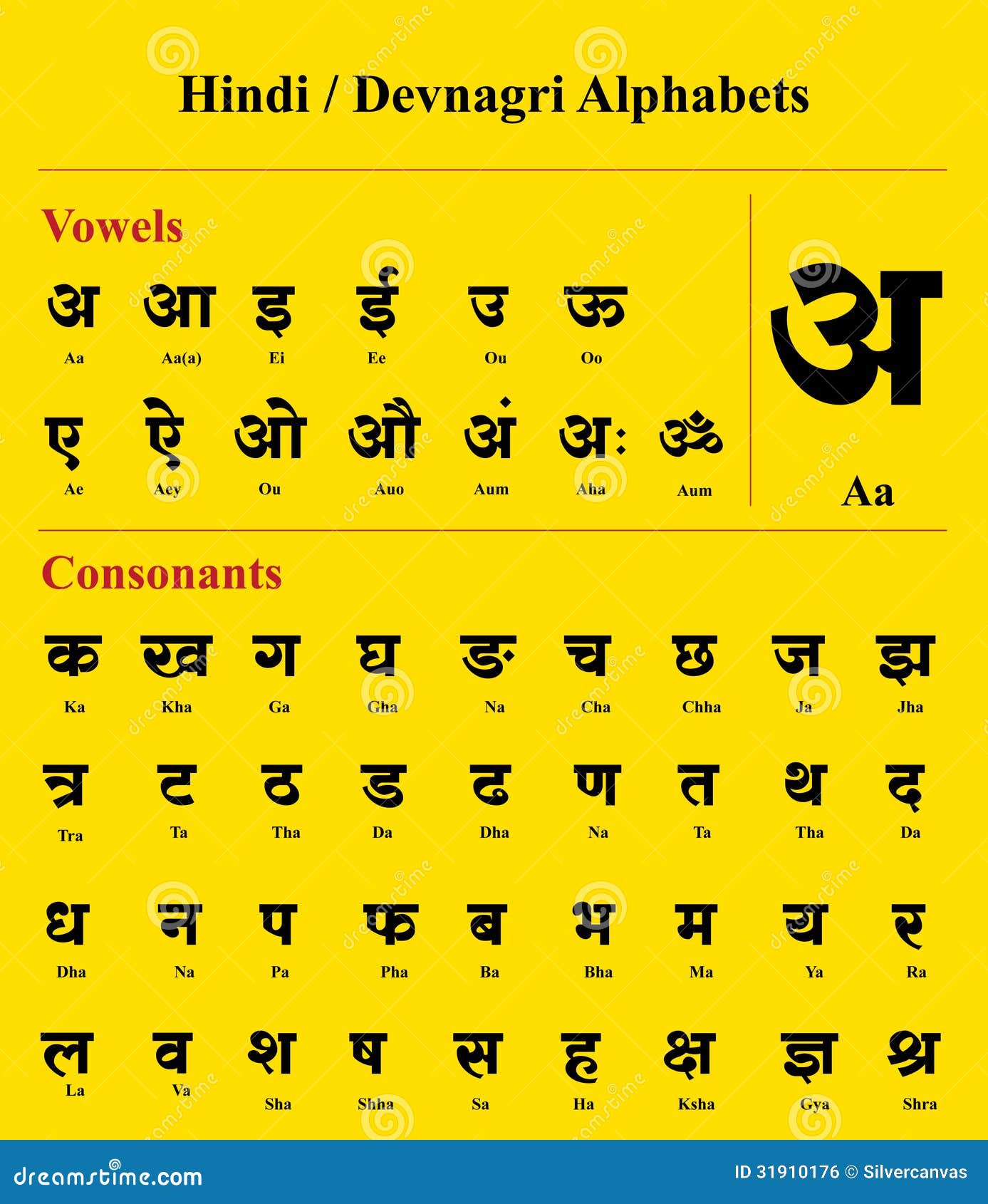
When you trace the flow of modern vocabulary, you'll find that Hindi has permanently altered the English lexicon. From everyday culinary terms to boardroom jargon, Hindi in English translation words act as active bridges between cultures. This linguistic exchange isn't a passive byproduct of globalization; it's a dynamic reshaping of how the world shares ideas, conducts commerce, and expresses nuance.
Understanding this translation ecosystem requires looking past simple word-for-word glossaries. Language transfer involves phonetic adaptation, cultural context shifts, and the subtle ways certain concepts fill gaps that English vocabulary leaves open. If you're studying how international media, technology platforms, and multinational firms operate across linguistic barriers, you need to understand the mechanics behind these vocabulary transfers.
The Mechanics of Loanword Integration
Words don't cross language borders overnight. The journey of Hindi terms into standard English follows a distinct structural and phonetic pipeline. When a term transitions from Hindi to English, native English speakers often modify its pronunciation to fit familiar phonetic patterns, while lexicographers work to capture its precise semantic value.
Take historical borrowings like bungalow (from bangla) or jungle (from jangal). Over centuries, these terms lost their foreign markers and became standard English nouns. Modern translations operate differently. They often arrive through pop culture, digital media, or diaspora communities, retaining more of their original flavor.
- Phonetic adjustment: English speakers naturally shift vowel sounds to fit Germanic-rooted phonology, sometimes flattening retroflex consonants into alveolar sounds.
- Semantic broadening: A term with a narrow regional or cultural meaning in Hindi often broadens once adopted globally.
- Lexical anchoring: Digital publishing and crowd-sourced dictionaries accelerate the formal recognition of these words long before they hit printed encyclopedias.
You'll notice this evolution happening in real time across tech platforms and international newsrooms. Translators no longer feel compelled to italicize every borrowed word, signaling a broader cultural acceptance of South Asian linguistic structures in global discourse.
Key Drivers in Global Media and Commerce
Economic growth and digital connectivity are the primary engines driving Hindi vocabulary into international spaces. As Indian enterprises expand onto global stock exchanges and streaming services distribute content to 190+ countries, linguistic exchange scales rapidly.
In digital entertainment, platforms like Netflix regularly distribute Hindi-language content to global audiences. Rather than dubbing every line, subtitles frequently retain specific cultural nouns and emotional markers. Viewers worldwide pick up terms related to family hierarchy, emotional states, and traditional practices without losing the intended dramatic weight.
In corporate environments, multinational organizations operating across Bangalore, Mumbai, and Western hubs use a hybrid corporate vernacular. Concepts surrounding management philosophy, community-centric business models, and collaborative teamwork often find precise expression through Hindi terms that don't have direct, single-word equivalents in English.
- Media distribution: Subtitling practices preserve cultural authenticity by keeping native terms intact for global audiences.
- Corporate environments: Cross-border teams rely on shared vocabulary hybrids to streamline technical and managerial discussions.
- Diaspora influence: Global immigrant communities act as direct conduits, introducing domestic slang and traditional vocabulary into local Western dialects.
Translation Challenges and Cultural Loss
Translating complex Hindi concepts into English is rarely straightforward. One major hurdle is the loss of cultural and historical context. A single word in Hindi can carry layers of philosophical, familial, or emotional resonance that an English equivalent flattens into clinical neutrality.
Consider words describing interpersonal relationships or emotional states. English often relies on broad descriptors, whereas Hindi utilizes highly specific terminology that defines exact social standing and emotional nuance. When translators force a direct one-to-one conversion, the underlying cultural framework disappears.
- Contextual stripping: Stripping away regional nuances makes a text readable for a global audience at the cost of authentic depth.
- Semantic mismatch: Direct literal translations can sound awkward, overly formal, or entirely misleading to native English speakers.
- Over-simplification: Complex social dynamics get reduced to generic umbrella terms, erasing important distinctions.
Professional translators combat these pitfalls by using glossing techniques, contextual framing, or choosing functional equivalents that preserve the spirit of the original text rather than relying on clumsy literal substitutions.
Common Pitfalls in Cross-Language Adaptation
Writers and content strategists frequently stumble when incorporating foreign loanwords into English copy. Avoiding these common mistakes ensures your communication remains clear, respectful, and accurate.
- Using outdated spellings: Stick to modern, universally recognized transliterations rather than archaic colonial-era spellings that confuse modern readers.
- Overusing foreign terms: Sprinkling untranslated words purely for stylistic flair alienates readers and harms readability.
- Ignoring regional variations: Hindi dialects vary significantly; ensure the chosen translation aligns with standard, widely understood usage.
- Failing to provide context: Always anchor unfamiliar loanwords with enough surrounding sentence context so the reader grasps the meaning without needing an external glossary.
Frequently Asked Questions
Why are Hindi words entering the English dictionary faster now?
Accelerated global media distribution, digital streaming platforms, and the massive scale of India's tech and business sectors have drastically increased cross-cultural contact, pushing localized terms into mainstream global awareness.
Do direct translations always capture the true meaning of a Hindi word?
No. Direct translations often strip away emotional, cultural, or historical layers. Translators frequently rely on contextual explanation or functional equivalents to bridge this gap.
Are all Hindi loanwords officially recognized in English dictionaries?
Only a fraction of borrowed words make it into authoritative lexicons like the Oxford English Dictionary. Most terms circulate informally in digital spaces, regional journalism, or industry-specific jargon before achieving formal recognition.
How do translators handle words that have no English equivalent?
Translators typically use descriptive phrasing, keep the original term with a brief in-text explanation, or select a close conceptual equivalent while retaining the source word in italics if it's used stylistically.



