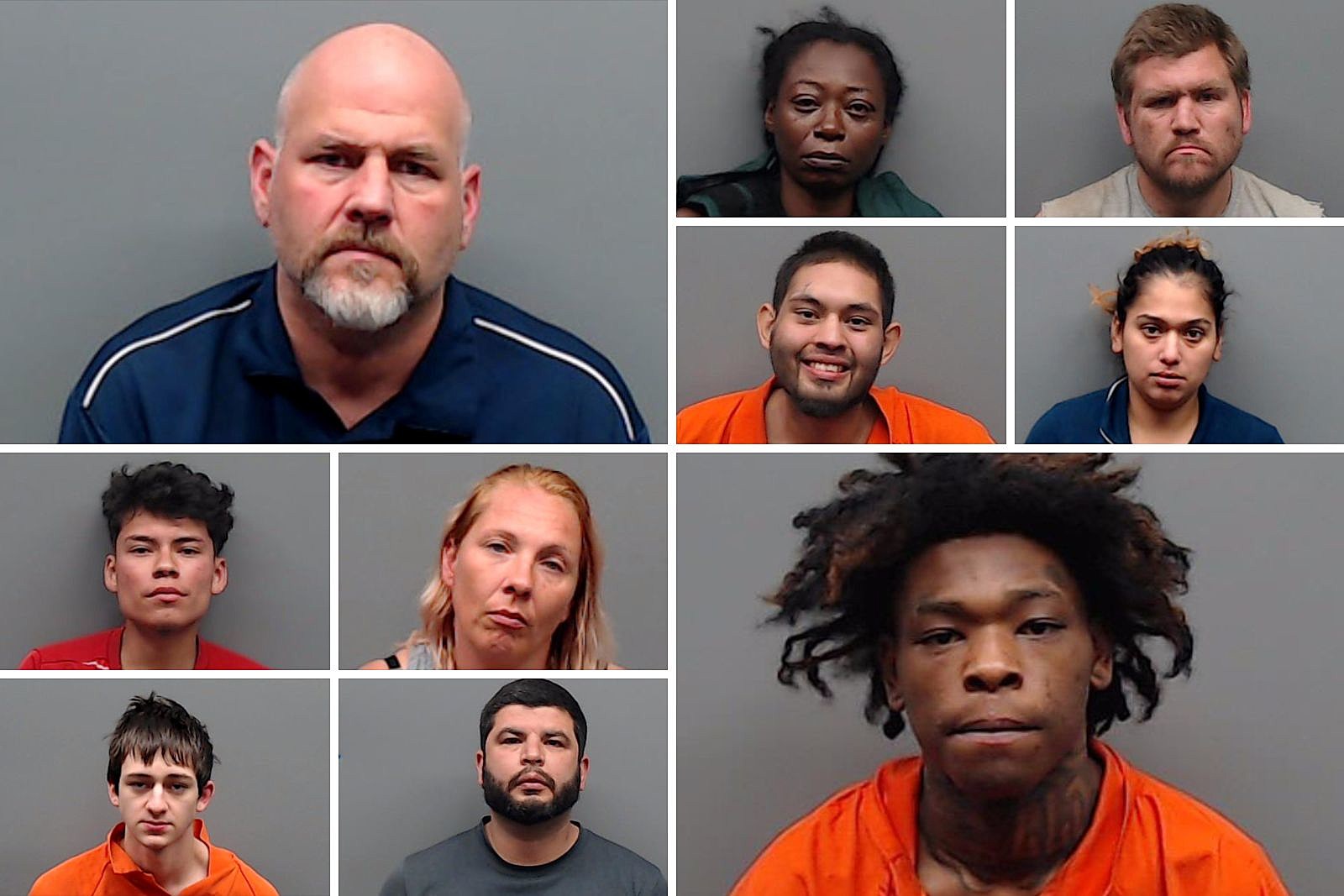
Accessing public arrest data and booking photos in Florida's rural interior requires knowing where official portals look. When you need to find mugshots Highlands County FL residents search for, navigating county portals and third-party aggregators helps you locate accurate jail logs while understanding privacy rights. Official transparency laws make booking records accessible, but finding reliable information takes a clear strategy.
Public safety documentation across central Florida relies on county sheriff databases and court clerk registries. Understanding how these systems collect, publish, and archive booking photos gives you a realistic picture of local law enforcement transparency. Let's look at how these records function, where to find them, and what laws govern public images.
Understanding Highlands County Booking Records
The legal framework governing arrest photographs in Florida stems from broad public records statutes. When a person is booked into the local detention facility, booking photographs and initial charges enter the public domain. Law enforcement agencies maintain these files to document daily intake operations and inform the community about local public safety actions.
Unlike major metropolitan centers with automated daily press briefings, rural jurisdictions handle data updates through centralized county systems. The Highlands County Sheriff's Office manages local detention facilities and intake procedures. When someone is processed, their personal information, booking timestamp, and arrest charges become part of the county registry.
- Initial booking photographs capture individuals immediately following arrest.
- Charges listed during intake represent preliminary accusations rather than final convictions.
- Case statuses change as matters move through the judicial system.
Where to Locate Official Arrest Information
Finding verified booking data means using official county resources rather than relying solely on social media speculation or unverified scrapers. Official channels ensure accuracy and respect the legal context of pending cases.
The primary destination for official court documents is the Highlands County Clerk of Courts, which provides searchable databases for ongoing legal matters. If you're tracking specific criminal charges or court dates, the clerk's docket system offers official status updates directly from the judicial system.
- Visit the official county sheriff or clerk portal to run a targeted name query.
- Review the specific charge codes and associated bond amounts listed on the docket.
- Cross-reference booking numbers with official court case files to verify current case dispositions.
Impact of Arrest Photos on Rural Communities
In smaller communities, visual arrest records carry a different social weight than they do in large cities. Word travels fast across towns like Sebring, Avon Park, and Lake Placid, meaning published booking images often circulate widely before a case ever reaches trial. This dynamic creates distinct challenges for the presumption of innocence.
Community digital archives and third-party aggregation sites frequently mirror official jail logs. Because search engines index these pages quickly, an arrest photo can remain visible online for years—even if charges are later dropped, reduced, or expunged. This permanence has sparked widespread discussions about digital reputation management and the ethics of publishing unconvicted mugshots.
- Local visibility is amplified in tight-knit rural populations.
- Digital permanence means old records often outlive their legal relevance.
- Expungement and sealing laws offer legal pathways to remove qualifying records from public view.
Legal Rights and Privacy Protections
Florida public records laws grant broad access to government documents, but the state has implemented specific guardrails to protect individuals from predatory commercial exploitation. Several legislative updates target websites that charge fees to remove booking photos, establishing penalties for operators who refuse removal requests for cleared charges.
If an individual's charges are dismissed, dropped, or result in an acquittal, they hold the legal right to request record sealing or expungement through the judicial system. Once a court orders an expungement, law enforcement agencies and court clerks must restrict public access to those files, helping protect personal privacy moving forward.
Frequently Asked Questions
Are booking photos automatically removed if charges are dropped?
Official county websites update records as cases progress, but third-party mirror sites often retain old images indefinitely. Individuals must proactively contact third-party platforms or pursue formal legal expungement to clear unauthorized copies.
How can I check if someone is currently in the local jail?
You can review active detention rosters directly through official sheriff department resources or call the local detention facility administration during normal business hours for real-time housing status updates.
What is the difference between an arrest record and a conviction?
An arrest record simply documents that a person was taken into custody on preliminary suspicion of a crime. A conviction occurs only after a defendant pleads guilty or is found guilty by a judge or jury in a court of law.
Can mugshots be removed from Google search results?
Search engines occasionally honor removal requests if the underlying source page has been updated, deleted, or legally expunged. Submitting direct removal requests to search providers or webmasters is usually required to clear outdated imagery.


