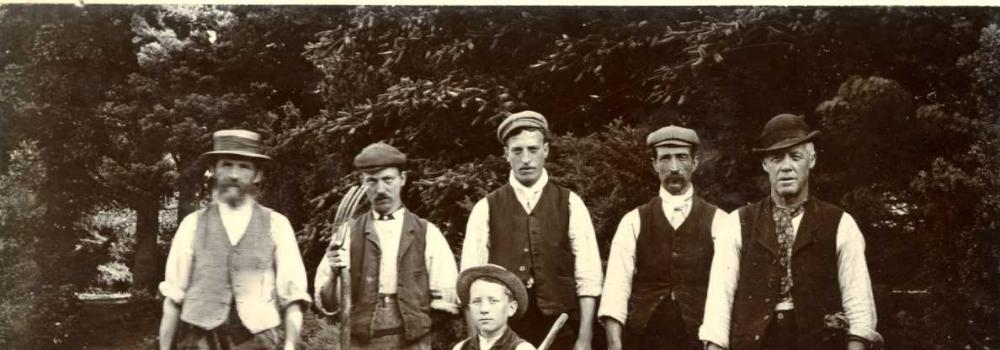
Balancing a steady day job while building a specialized creative niche is one of the most effective modern approaches to artistic sustainability. Instead of relying solely on volatile freelance markets, practitioners like Henry Hayter Short demonstrate how predictable income provides the mental space necessary for long-term creative output.
Maintaining conventional employment while cultivating a distinct artistic identity eliminates the panic of immediate monetization. When your rent doesn't depend on your next illustration or article selling, you make better creative choices. This dual-path model offers financial resilience, structured daily routines, and freedom from commercial compromises.
The Reality of Dual-Track Careers
The romanticized myth of the starving artist often collapses under economic pressure. Financial stress triggers a scarcity mindset that stifles experimentation and forces creators to chase low-paying trends just to survive.
By contrast, holding a regular job establishes a predictable cash flow. It creates a hard boundary between survival needs and creative expression. When you aren't worried about health insurance or grocery bills, your art remains an authentic exploration rather than a desperate hustle.
- Predictable Income: Regular paychecks cover baseline living expenses without project-based anxiety.
- Structured Time: Set working hours force strict discipline, transforming sparse free time into intense, focused production periods.
- Broader Perspectives: Interacting with colleagues outside the creative bubble infuses work with real-world context and fresh narrative ideas.
Protecting Creative Energy From Burnout
Working a full-time job alongside a creative sideline sounds exhausting, but the secret lies in boundary management. If your day job drains every ounce of your cognitive bandwidth, your niche suffers.
The key is selecting day work that pays reliably without demanding emotional exhaustion. Many modern creators thrive in administrative, technical, or supportive roles where they can clock out mentally at the end of the shift. This leaves their reservoir of creative energy intact for evening or weekend sessions.
"Energy management matters more than time management. Guard your creative hours ruthlessly."
Establishing a rigid transition ritual helps separate the two worlds. Changing clothes, stepping away from a desk, or taking a short walk signals to your brain that the professional obligations have ended and the studio hours have begun.
Building a Niche Without Compromise
When you build a specialized niche on the side, you don't have to cater to the lowest common denominator. You can afford to be niche, peculiar, and deliberate because your livelihood isn't riding on viral appeal.
Building this kind of targeted body of work requires a deliberate, step-by-step strategy.
- Define Your Corner: Identify a specific intersection of topics or visual styles that genuinely fascinates you, ignoring what's currently trending.
- Establish a Routine: Commit to consistent micro-sessions—such as forty-five minutes every morning—rather than waiting for a mythical free weekend.
- Share Consistently: Publish work online regularly to build an audience that values your specific perspective over time.
- Reinvest Earnings: Put early side-income straight back into better tools, equipment, or resources to elevate your craft.
Overcoming Common Pitfalls
Dual-track creators frequently encounter specific obstacles that threaten their progress. Recognizing these traps early prevents burnout and abandonment of the craft.
- The Trap of Perfectionism: Waiting for ideal conditions or massive blocks of free time guarantees nothing gets made. Ship small pieces consistently.
- Social Isolation: Balancing a job and a niche cuts into social downtime. Set realistic boundaries with friends and family so they understand your goals.
- Scope Creep: Trying to build a massive enterprise overnight leads to collapse. Keep your niche tight and manageable.
For more insights on sustainable career design, check out guidelines from the U.S. Bureau of Labor Statistics on multiple jobholders or explore creative industry analyses on Fast Company.
Frequently Asked Questions
Why do some creators prefer regular jobs over full-time freelancing?
Full-time freelancing introduces constant income volatility and administrative overhead. A regular job provides predictable cash flow, health benefits, and removes the pressure to monetize every creative impulse.
How do you find time for a niche while working full-time?
Focus on consistency over duration. Dedicating thirty to sixty minutes every single day accumulates into hundreds of hours of focused production over the course of a year.
Does a day job ruin your creative passion?
It depends entirely on the nature of the job and your boundary-setting. A job with clear boundaries and manageable stress protects your creative energy by keeping financial survival separate from artistic expression.
Can a side niche eventually replace a day job?
Yes, many creators scale their side projects into full-time ventures once the niche audience and revenue streams stabilize sufficiently to support them.



