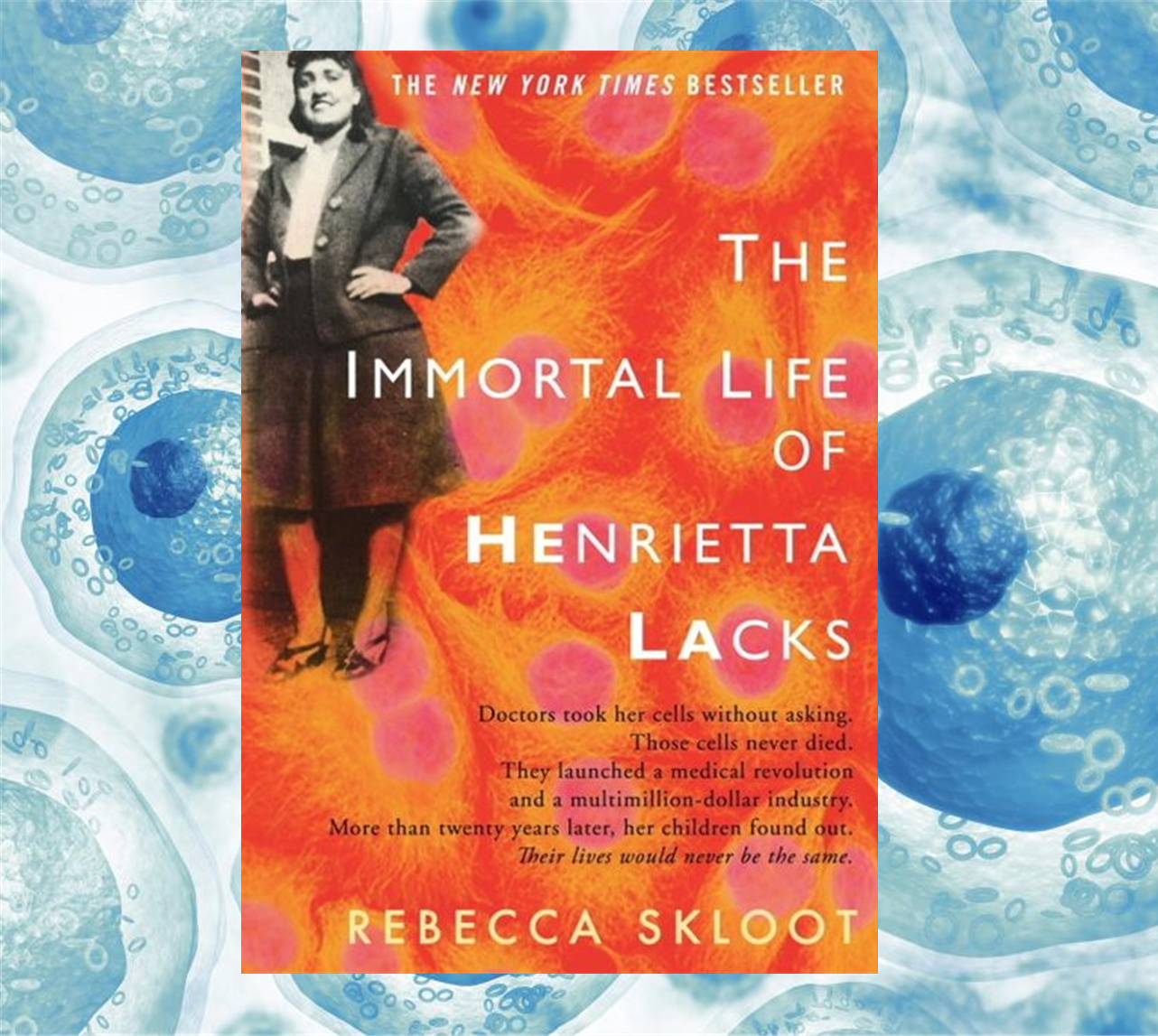
The story of Henrietta Lacks isn't just a cornerstone of modern molecular biology; it's a foundational moral reckoning for clinical research. When Rebecca Skloot published her seminal book—widely sought after in digital formats as a resource for students and researchers—she brought public attention to how a working-class Black mother from Baltimore changed science forever without her knowledge or consent. Understanding this history requires looking past the broad outlines into the specific scientific mechanisms of HeLa cells, the systemic failures of 1950s hospital practices, and how this case forced the creation of modern bioethics.
What Are HeLa Cells and Why Are They Immortal?
In 1951, Henrietta Lacks walked into Johns Hopkins Hospital—one of the few major medical centers treating low-income African American patients in Maryland—experiencing abnormal vaginal bleeding. Diagnosed with an aggressive form of cervical cancer, she underwent radium tube treatments. During her procedures, tissue samples were harvested from her cervix without her informed consent or knowledge.
Dr. George Otto Gey, head of tissue culture research at Johns Hopkins, had spent decades trying to grow human cells outside the body. Every previous sample died rapidly. Lacks's cells were different. They divided continuously every 24 hours, effectively defying the Hayflick limit—the biological observation that normal human cells can only divide a finite number of times.
Scientists attribute this immortality to several unique viral and genetic factors:
- Human Papillomavirus 18 (HPV-18): Her tumor cells contained integrated HPV DNA, which inactivated key tumor suppressor proteins (p53 and Rb).
- Telomerase Activation: HeLa cells express extraordinarily high levels of telomerase, an enzyme that rebuilds telomeres at the ends of chromosomes during cell division, preventing cellular aging and death.
- Karyotypic Instability: The cells possess a heavily mutated, abnormal chromosome count (typically ranging between 70 and 80), allowing rapid evolutionary adaptation to laboratory environments.
These traits allowed researchers to mass-produce a stable human cell line for the first time. They could freeze them, ship them across oceans, and infect them with pathogens without losing the biological substrate.
The Medical Breakthroughs Enabled by HeLa
The impact of HeLa cells on global health is difficult to overstate. Within years of their isolation, they became the biological workhorse of twentieth-century medicine.
In 1954, Jonas Salk used HeLa cells to cultivate large quantities of poliovirus, allowing his team to test and manufacture the first successful polio vaccine. Millions of children owed their safety from paralysis to a cell line derived from an unconsented patient. Beyond virology, HeLa cells enabled the development of the in vitro fertilization (IVF) process, cancer therapies, gene mapping, and studies on how human cells react to zero gravity during spaceflight.
They also exposed researchers to contamination risks. Because HeLa cells are exceptionally robust, they frequently overgrew and contaminated other laboratory cell cultures worldwide, prompting the creation of genetic profiling standards to track cell line authenticity.
The Ethical Failure and Lack of Consent
The core tragedy of the Lacks narrative lies in medical exploitation and institutional erasure. In 1951, no legal framework required physicians to obtain informed consent for tissue samples removed during diagnosis or treatment. The legal doctrine of informed consent was in its infancy, and hospital hierarchies routinely prioritized institutional research objectives over patient autonomy.
Neither Henrietta Lacks nor her grieving family knew her cells were commercialized. While pharmaceutical companies and supply laboratories built multi-million dollar industries selling HeLa cultures, the Lacks family lived for decades without health insurance, struggling to pay for basic medical care. Deborah Lacks, Henrietta's youngest daughter, experienced profound psychological trauma as she tried to comprehend how her mother's living tissue was scattered across laboratories worldwide while her family remained impoverished.
This systemic oversight violated fundamental ethical principles outlined years later in the Belmont Report, specifically:
- Respect for Persons: Acknowledging autonomy and protecting individuals with diminished capacity.
- Beneficence: Securing the well-being of participants and minimizing risks.
- Justice: Ensuring fair distribution of the burdens and benefits of research.
The Birth of Modern Bioethics and Legal Reforms
The public exposure of the Lacks case acted as a major catalyst for the overhaul of human subject research protections. It directly influenced the passage of the National Research Act of 1974, which established institutional review boards (IRBs) across American universities and hospitals. These boards mandate strict adherence to informed consent protocols, ensuring patients understand how their biological materials will be used, stored, or commercialized.
Subsequent legal battles also shifted policy regarding biological property rights. In the landmark 1990 California Supreme Court case Moore v. Regents of the University of California, the court ruled that patients do not retain property rights in discarded bodily tissues once they are removed. However, the ruling emphasized the absolute necessity of disclosing economic or research interests to patients before tissue collection—a direct descendant of the transparency failures in the Lacks case.
In 2013, descendants of Henrietta Lacks achieved a milestone agreement with the National Institutes of Health (NIH). The agreement granted the family representation on a scientific committee that reviews requests for access to HeLa genomic data, establishing a model for family participation in biomedical governance.
Common Mistakes in Understanding HeLa and Bioethics
When studying or writing about this topic, several common misconceptions often arise:
- Assuming Henrietta Lacks was a research participant: She was a clinical patient seeking treatment for cancer; her tissue was taken without her enrollment in an active clinical trial.
- Confusing tissue ownership with commercial royalties: Legal frameworks still generally deny patients ownership claims over commercialized cell lines, focusing instead on transparency, consent, and data privacy.
- Treating HeLa as a static entity: Decades of propagation have caused different laboratory strains of HeLa to mutate significantly, diverging genetically into distinct subclones.
Frequently Asked Questions
Did Henrietta Lacks's family ever receive financial compensation?
No direct financial payouts or royalties were awarded to the Lacks family from the commercial sale of HeLa cells. However, a 2013 agreement with the NIH gave the family a degree of control over genetic data access, and separate legal settlements in recent years have addressed corporate exploitation.
Are HeLa cells still used in laboratories today?
Yes. Despite contamination concerns and the development of newer cell models, HeLa cells remain essential for high-throughput drug screening, infectious disease research, and fundamental cell biology experiments.
How did Rebecca Skloot uncover the story?
Skloot spent over ten years investigating the history, interviewing scientists, and building trust with Deborah Lacks and other family members to write her 2010 bestselling book, The Immortal Life of Henrietta Lacks.
What specific laws protect patients today from similar exploitation?
Modern clinical research is governed by the federal Common Rule, strict institutional review board (IRB) oversight, and state laws requiring explicit written consent for tissue banking and genetic sequencing. You can review current federal standards through the HHS Office for Human Research Protections.



