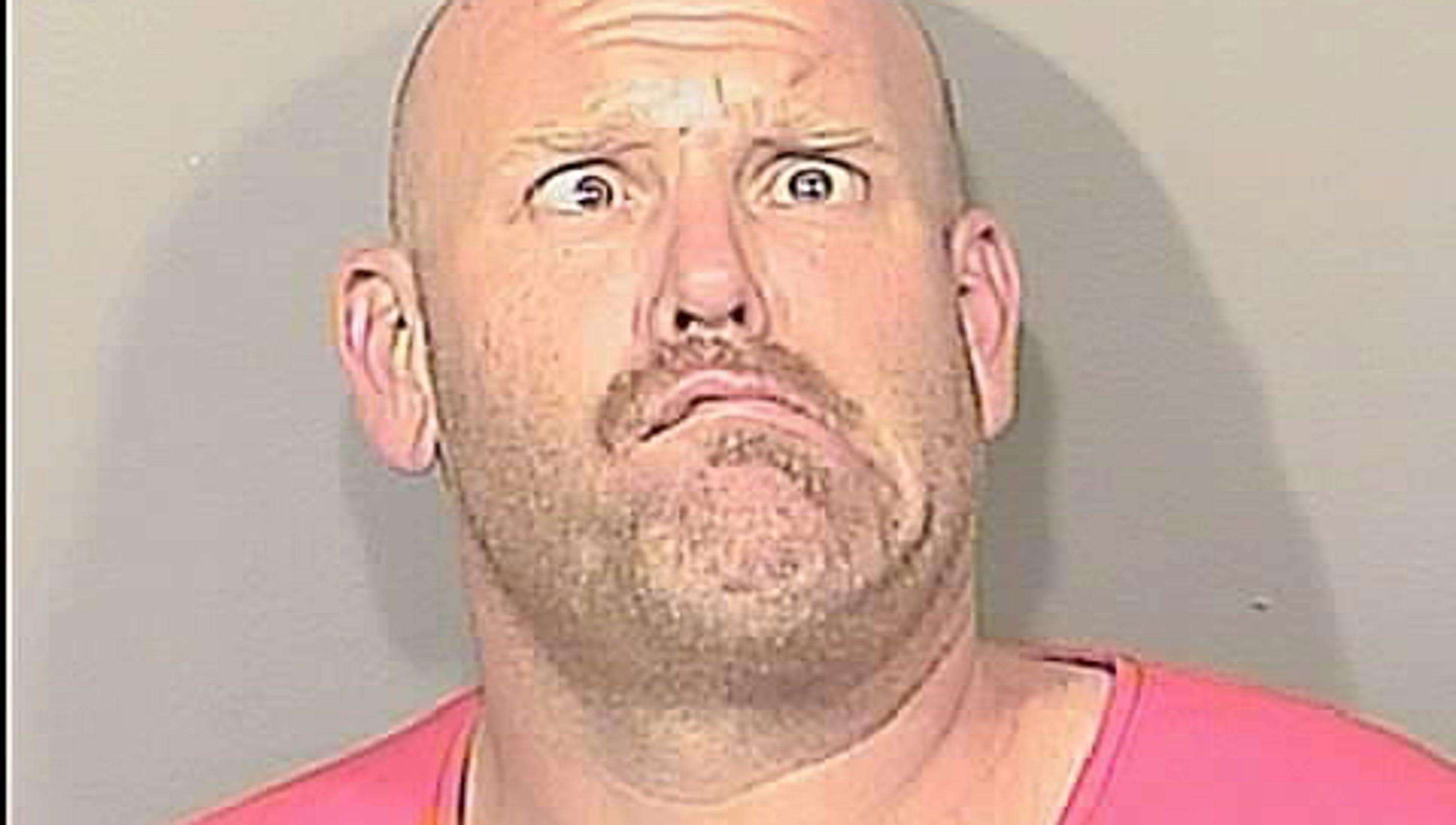
When police book an individual into the Hendricks County Jail, that person's booking photograph enters the public domain almost instantly. While public transparency laws intend to keep local government accountable, the digital age has twisted these statutes. Booking photos now circulate globally within minutes, creating a permanent digital footprint that often outlasts any formal legal proceedings. This tension between open-government principles and individual privacy rights forms the core of the modern digital dilemma.
Navigating this landscape requires understanding how local arrest records move from police servers to commercial aggregator sites. Anyone looking into how these systems operate must examine the legal boundaries of public data, the financial motives of third-party publishers, and the practical steps available to individuals trying to reclaim their online reputations.
The Mechanics of Public Booking Records in Hendricks County
The Hendricks County Sheriff's Department acts as the primary custodian for local jail and arrest documentation. When officers bring an individual to the facility in Danville, standard booking procedures include fingerprinting and photography. Under Indiana public access statutes, these files are generally open for public inspection.
In the past, accessing these records required physical effort, such as visiting the Clerk's office or submitting formal record requests. Today, digital databases streamline this process completely. Local agencies maintain online inmate rosters, and automated web scrapers copy this data moments after publication. To explore the complete picture, we recommend the recent article by The New York Times.
- Initial Capture: Law enforcement records the booking details and photograph into secure local networks.
- Digital Indexing: Public-facing portals and media outlets pull this information for community awareness.
- Data Scraping: Commercial aggregators harvest the images and republish them independently.
- Permanent Persistence: Search engines cache these pages, keeping them visible long after charges are dropped or dismissed.
The Rise of Commercial Aggregators and Extortion Tactics
The most damaging aspect of the mugshot dilemma involves third-party websites that operate entirely outside of local law enforcement control. These businesses scrape jail logs across multiple states, compiling massive databases designed to dominate search engine results for individual names.
Because mugshots are technically public records, these companies claim legal protection under freedom of information principles. However, their business models often rely on monetization through removal fees. An individual whose charges were dismissed or whose case resulted in an acquittal often finds their image plastered across commercial sites, forcing them to pay hundreds of dollars for removal. This secondary market creates a profound financial and emotional penalty for citizens who haven't been convicted of any crime.
Legal Frameworks and Legislative Responses
State lawmakers and federal regulators have increasingly targeted the predatory practices of commercial mugshot publishers. Several states have passed laws making it illegal for profit-driven websites to charge fees for removing booking photos, or requiring them to take down images immediately if the subject provides proof of dismissed charges.
In Indiana, individuals must navigate a combination of state public records laws and evolving privacy expectations. While the [Indiana Public Access Counselor](https://www.in.gov/i gac/) provides guidance on what government bodies must disclose, these rules do not directly bind private out-of-state web operators. Legal remedies usually focus on expungement processes through the Indiana Judicial Branch, which helps clear official court and arrest records so individuals can demand removal from third-party sites with legal backing.
Practical Steps to Protect Digital Privacy
If you or someone you know has an arrest record published online, waiting for search engines to naturally drop the content rarely works. Aggregator sites are optimized to rank high on search engine results pages. Taking proactive steps is essential.
- Verify Your Official Status: Obtain certified paperwork from the Hendricks County Clerk showing that charges were dismissed, dropped, or that you were acquitted.
- Request Record Expungement: Work with a qualified attorney to file for expungement in Indiana if your case qualifies, sealing the official government record from public view.
- Submit Direct Removal Requests: Many commercial sites have compliance pages. Send your expungement order or dismissal paperwork directly to their support channels.
- Suppress Negative Results: Build positive digital assets, such as professional profiles, personal websites, and published articles, to push old booking links down past the first page of search results.
Frequently Asked Questions
Are all mugshots in Hendricks County automatically published online?
The Hendricks County Sheriff's Department and local municipal sites provide jail rosters for transparency, but independent third-party scrapers are the ones that aggressively republish and index booking photos across global networks.
Can I force a website to take down my mugshot if my charges were dropped?
Many states now penalize websites that charge fees for removal, and presenting official proof of dismissal or an expungement order forces compliance with most reputable platforms. Some persistent sites, however, require formal legal notices or persistent takedown requests.
Does an expungement clear my mugshot from Google?
An expungement seals your official government records, which gives you the legal leverage to demand that private websites and search engines remove or de-index the associated content. However, it does not automatically scrub private third-party databases unless you follow up with them directly.
Why do third-party mugshot sites rank so high on search engines?
These platforms use search engine optimization tactics tailored to personal names, exploiting the high authority of fresh public records data to outrank personal social media profiles or professional websites.


