When you're dealing with severe rectal discomfort, finding effective hemorrhoid relief becomes your top priority. Standard medical literature focuses heavily on swollen vascular cushions in the anal canal, but navigating treatment options requires separating accurate proctological science from internet myths. Let's look at what actually causes these symptoms and how doctors approach clinical care.
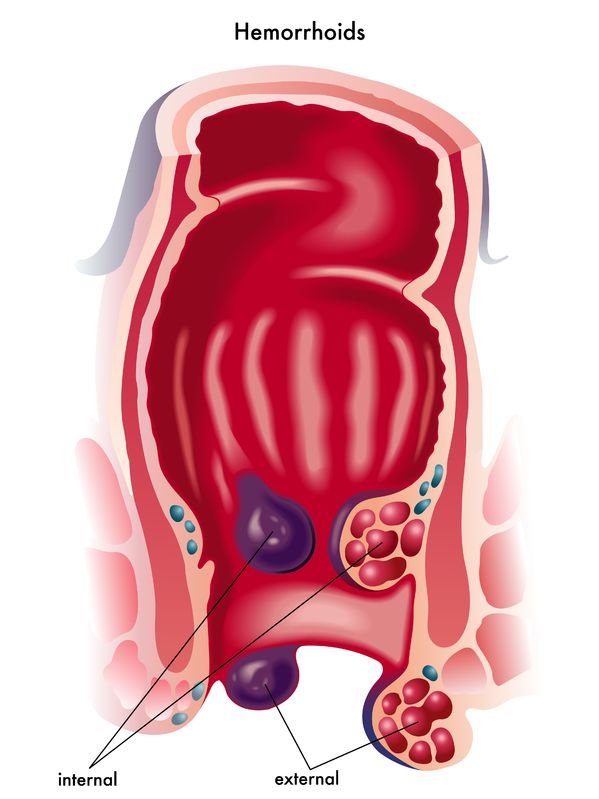
Real hemorrhoids are vascular structures in the smooth muscle of the anal canal that help with stool control. When pressure increases in the lower rectum, these vessels stretch and swell. Understanding whether you're experiencing internal swelling, an external clot, or a different dermatological issue is essential before starting any management plan.
Clinical Causes of Rectal Swelling
Increased pressure in the pelvic blood vessels drives most swelling episodes. Common triggers include chronic straining during bowel movements, prolonged sitting on the toilet, and elevated intra-abdominal pressure from pregnancy or heavy lifting.
Dietary habits play a major role in your daily symptoms. A lack of sufficient dietary fiber leads to hard stools, which forces you to strain. Chronic constipation remains the leading catalyst for flare-ups across all demographics.
Differentiating Symptoms and Diagnosis
Symptoms vary depending on whether the affected tissue sits above or below the dentate line. Internal swelling often causes painless bleeding during bowel movements, while external swelling can lead to sharp pain, itching, and palpable lumps near the anal margin.
Gastrointestinal specialists diagnose these conditions through physical inspection and diagnostic instruments. A doctor may perform a digital rectal exam or an anoscopy to view the lining of the anal canal clearly. If bleeding is heavy or persistent, clinicians often recommend a colonoscopy to rule out other gastrointestinal disorders, such as inflammatory bowel disease or colorectal polyps.
- Digital Exam: Quick manual check for tenderness and palpable lumps.
- Anoscopy: Short tube with a light source for direct visualization of internal tissue.
- Colonoscopy: Comprehensive scope of the entire colon for persistent bleeding.
Proven Treatment Approaches
Medical interventions range from simple dietary adjustments to outpatient clinical procedures. Mild cases often resolve with conservative home care, including sitz baths, increased fluid intake, and stool softeners.
For persistent cases that don't respond to conservative measures, doctors utilize minimally invasive clinic procedures. Common options include rubber band ligation, infrared coagulation, and sclerotherapy. In severe scenarios involving acute thrombosis or redundant skin tags, minor surgical excision or hemorrhoidectomy may be necessary. You can review guidelines on clinical procedures through resources provided by the National Institute of Diabetes and Digestive and Kidney Diseases.
Common Mistakes in Managing Rectal Discomfort
Many people worsen their symptoms by relying on unproven home remedies or misdiagnosing their condition. Applying harsh chemical treatments or essential oils directly to sensitive mucosal tissue often causes chemical dermatitis or contact allergies, amplifying your pain.
Another frequent error is ignoring persistent rectal bleeding. Attributing all anal bleeding to routine swelling can delay the diagnosis of more serious conditions, such as colorectal polyps or malignant growths. Always consult a qualified healthcare provider for an accurate diagnosis when bleeding occurs.
Frequently Asked Questions
How long does a typical flare-up last?
Mild symptoms usually improve within a week when you increase fiber and water intake. Severe flare-ups or thrombosed tissue can take two to three weeks to resolve fully without clinical intervention.
Can lifestyle changes prevent future episodes?
Yes. Maintaining a high-fiber diet, drinking plenty of water daily, avoiding prolonged sitting, and addressing chronic constipation significantly reduce your risk of recurrent swelling.
When should I see a doctor immediately?
Seek prompt medical evaluation if you experience heavy bleeding, severe unrelenting pain, dizziness, or a fever accompanying your rectal symptoms.



