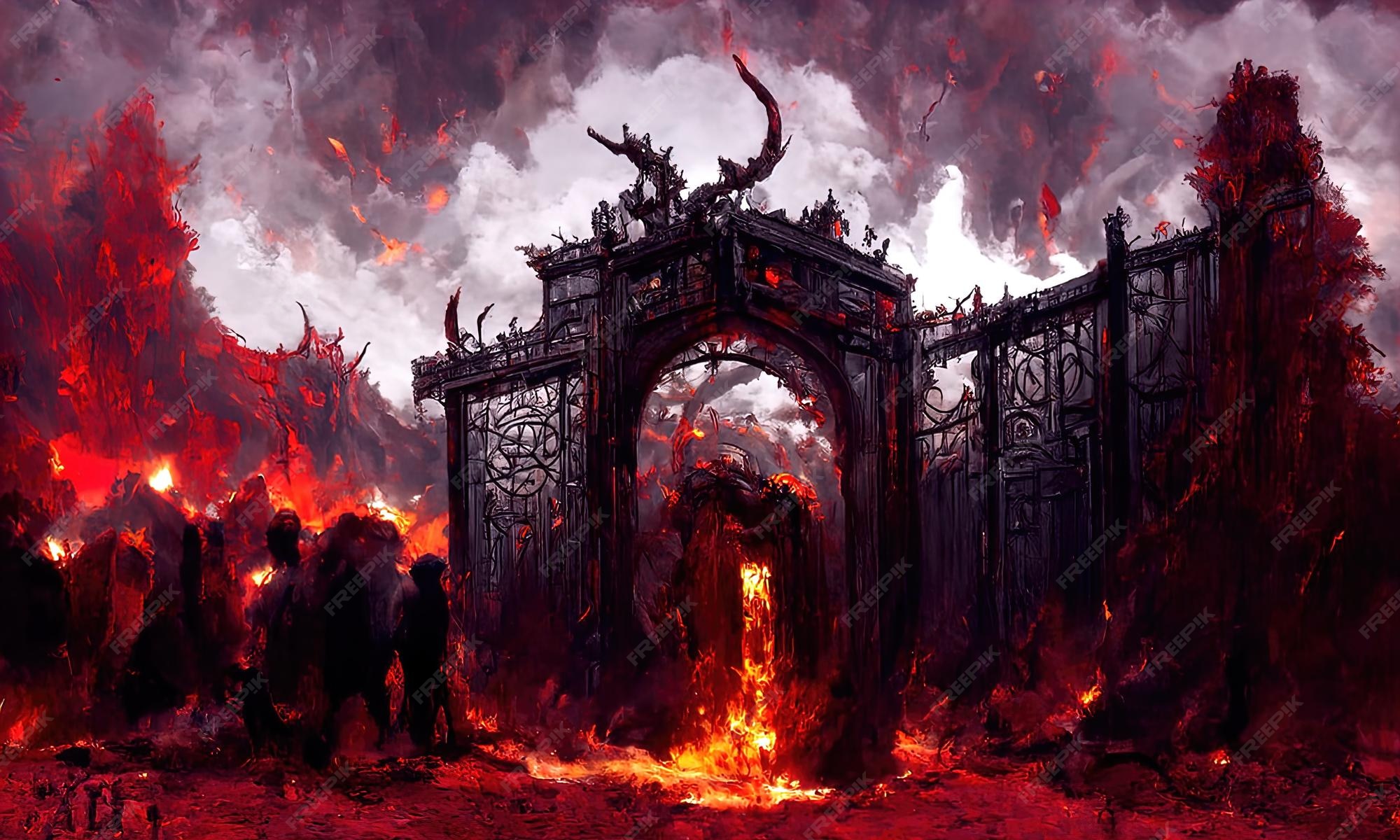
"Hell is empty and all the devils are here." Few lines from William Shakespeare carry such an immediate, chilling punch. Spoken in The Tempest, this stark assertion strips away mythological fire and brimstone, redirecting our attention to human nature. It suggests that true malice isn't locked away in a fiery subterranean underworld; it walks among us on ordinary ground.
Understanding why this line resonates across centuries requires looking at its dramatic context, its psychological weight, and how modern culture continues to borrow its dark power.
The Dramatic Context in The Tempest
To understand the quote, you have to look at where it appears. In Act 1, Scene 2 of The Tempest, the sorcerer Prospero commands his ethereal spirit servant, Ariel, to recount the havoc wreaked upon a ship carrying Alonso, the King of Naples, and his treacherous courtiers. Ariel has unleashed a violent tempest, using fire and illusion to terrify the passengers.
When Ariel reports back on the chaos, describing how the ship's crew and passengers threw themselves into the churning sea to escape the flames of the illusion, the spirit delivers the famous phrase. In the immediate plot, Ariel is describing the literal terror inflicted upon the stranded men, making them feel as though the apocalypse has arrived.
Yet Shakespeare frequently uses his characters to voice truths that transcend the immediate scene. While Ariel is talking about a localized shipwreck on an isolated island, the breadth of the statement invites a much wider lens. It reframes the entire island—and by extension, the human world—as a theater of cruelty, betrayal, and unbridled ambition.
Breaking Down the Meaning
At its core, the line relies on bitter irony. Traditional theology posits that Hell serves as a containment facility for the damned and the demonic. By declaring that Hell is empty, Shakespeare flips the script entirely.
The Erasure of Boundaries Between Good and Evil
When all the devils are on Earth, the traditional boundaries separating sacred spaces from profane ones dissolve. There is no safe harbor. Humanity cannot point outward toward a distant netherworld to explain wickedness. Instead, human beings become both the perpetrators and the victims of torment.
Human Agency Over Supernatural Malice
Throughout his plays, Shakespeare frequently demonstrates that humans don't need supernatural prodding to commit atrocities. Characters like Richard III, Iago, or Macbeth generate their own destruction through greed, pride, and jealousy. The line from The Tempest reinforces this worldview. The worst monsters aren't mythical beasts with horns and tails; they wear crowns, navigate court politics, and smile while executing betrayals.
Why the Quote Haunts Modern Culture
Centuries after its writing, the phrase pops up everywhere from prestige television to gothic literature. Its enduring resonance stems from a persistent collective anxiety: the suspicion that civilization is a thin veneer masking raw brutality.
When modern institutions fail, or when public figures reveal profound dishonesty, cultural commentators routinely reach for this quote. It provides a shorthand for systemic corruption and interpersonal cruelty. It comforts us by giving a name to our darkest observations about society, while unsettling us because it implies that our world is fundamentally unsafe.
You can explore more about how the Folger Shakespeare Library analyzes the text and themes of the play through their The Tempest Overview. Additionally, background on early modern perceptions of the supernatural can be found at the British Library Literature section.
Common Misconceptions
People often misattribute or misinterpret the line due to its frequent use in horror and crime fiction.
- It isn't a play about demons: Despite the mention of devils, The Tempest is a romance/tragicomedy filled with spirits, magic, and political reconciliation, not a theological horror story.
- It's not spoken by a villain: Ariel is an obedient, if occasionally reluctant, spirit who longs for freedom, not a demon speaking from personal experience.
- It is a metaphor for psychological collapse: Ariel uses the illusion of fire to break the spirits of corrupt noblemen, forcing them to confront their past guilt. The "devils" are external projections of their internal moral decay.
Frequently Asked Questions
Which play features the quote "Hell is empty and all the devils are here"?
The line comes from William Shakespeare's late play, The Tempest (Act 1, Scene 2).
Who speaks the line in the play?
The spirit Ariel speaks these words to his master, Prospero, while describing the terror experienced by the shipwrecked courtiers.
What is the deeper philosophical meaning of the quote?
It suggests that evil is not confined to a mythical underworld but is actively present in human behavior, corruption, and society.
Why is the quote so popular in modern media?
Its bleak, striking imagery makes it a favorite for thriller writers, television shows, and dystopian narratives looking to emphasize human cruelty and societal breakdown.



