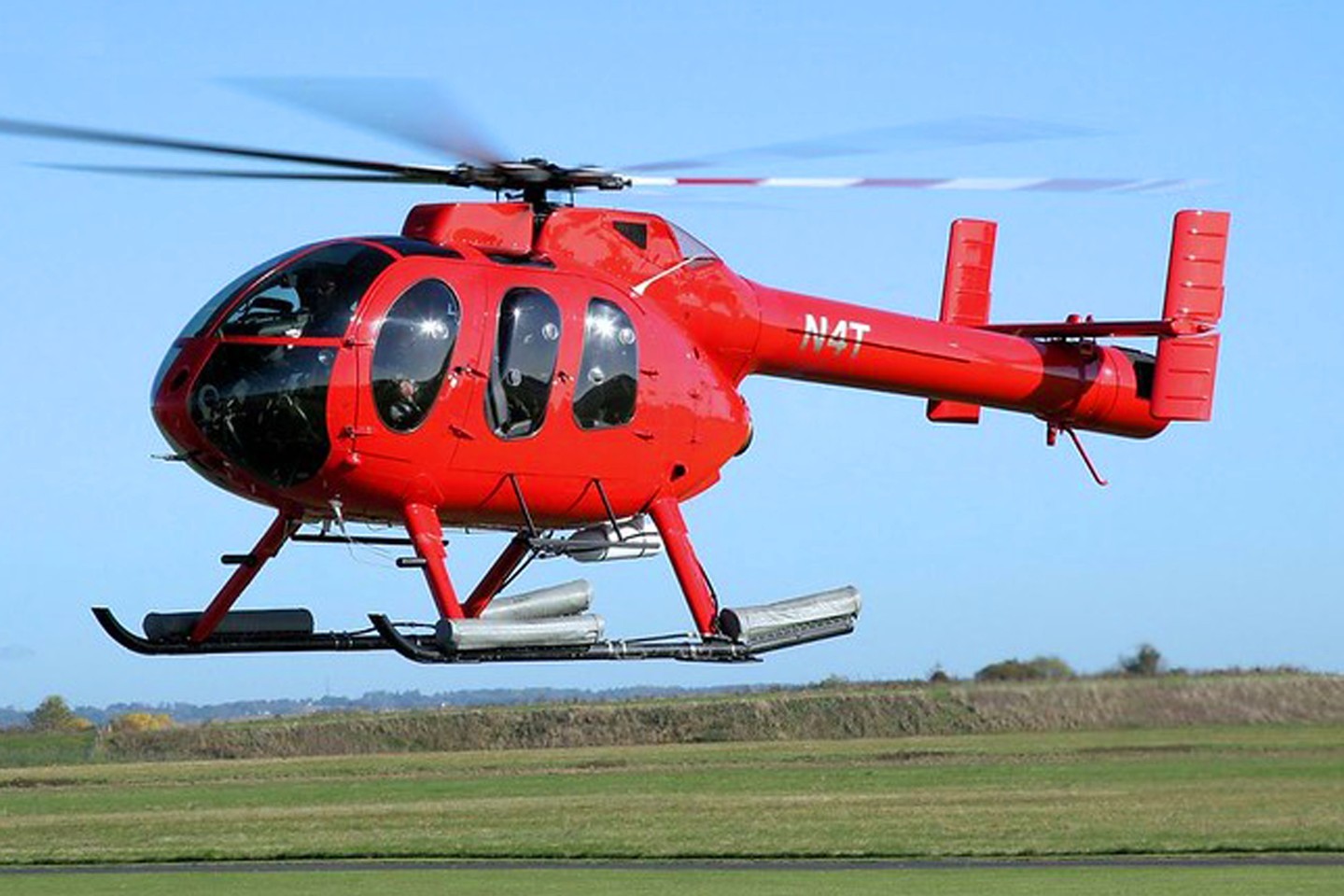
The helicopter shooting in Nayarit refers to a high-profile military operation carried out by Mexican Marines in February 2017. During this operation, a Navy helicopter gunship deployed heavy machine-gun fire against a residential safehouse in Tepic, the capital of the Pacific coast state of Nayarit. The target was Juan Francisco Patrón Sánchez, widely known as "H2," who operated as a regional leader for the Beltrán Leyva cartel. The intense aerial assault resulted in the deaths of Patrón Sánchez and eleven other members of his criminal cell.
Understanding this event requires looking past generalized internet rumors and examining official security reports, geopolitical reporting from outlets like El País, and contemporary coverage from The Guardian. The incident remains a notable milestone in Mexico's modern security history because it marked one of the few instances where tactical aviation with heavy weaponry was deployed directly within an urban neighborhood to neutralize a high-value cartel target.
The Tactical Operation in Tepic
On the night of February 9, 2017, Mexican naval intelligence tracked Patrón Sánchez to a residential neighborhood in Tepic, Nayarit. Recognizing that ground units alone would face heavily armed resistance from entrenched gunmen inside the building, the military deployed a Black Hawk helicopter equipped with a stabilizing minigun system.
Amateur videos captured by local residents quickly circulated online, showing the aircraft hovering above the neighborhood and raining tracer fire down onto the roof and upper floor of the safehouse. The visual spectacle of an urban gunfight involving air support drew international attention, prompting widespread public debate about urban warfare tactics, collateral damage risks, and the sheer firepower wielded by state security forces against organized crime. More journalism by Bloomberg highlights comparable perspectives on this issue.
According to state officials, the operation was executed with targeted precision, and no innocent bystanders or civilian residents were killed during the exchange. However, the intensity of the assault left the target building severely damaged, and subsequent ground sweeps by marines confirmed that all twelve suspects inside had died from the sustained engagement.
Who Was "H2" and Why Was He Targeted?
Juan Francisco Patrón Sánchez held a pivotal position within the fractured remnants of the Beltrán Leyva cartel, a major drug trafficking organization that splintered following the arrest or death of its original founding brothers. By 2017, the organization was fighting turf wars and trying to maintain control over drug transit routes along Mexico's Pacific corridor.
The federal strategy at the time prioritized dismantling the leadership hierarchies of major cartels. President Enrique Peña Nieto’s administration had established a targeted list of high-priority cartel figures, and Patrón Sánchez's elimination represented one of the final high-profile enforcement actions on that administrative scorecard. Following his death, the group fractured further, altering the regional balance of power and leading to shifts in alliances with emerging syndicates like the Jalisco New Generation Cartel (CJNG).
Why Urban Air Support Remained Controversial
Deploying helicopter gunships in densely populated residential areas crosses a major threshold in law enforcement and military strategy. While armed forces defended the tactic as necessary to protect ground troops from superior firepower, human rights advocates and security analysts raised persistent questions about proportionality.
- Collateral Risks: Firing heavy automatic weapons from an aircraft into a residential neighborhood creates inherent risks for non-combatant residents living nearby.
- Escalation of Force: Relying on military-grade hardware blurs the line between traditional police work and active military combat zones.
- Documentation and Accountability: The widespread availability of smartphone footage meant that tactical decisions were instantly scrutinized by global audiences, shifting how governments communicate about domestic security operations.
Common Misconceptions About the Nayarit Incident
Because viral clips and online summaries often resurface years after the fact without proper context, several myths persist regarding the event.
- It is not a current event: Some recycled social media posts or automated aggregator sites present the footage as a recent breakthrough, when it actually occurred in early 2017.
- It was not related to the wine industry: Completely fabricated online articles have occasionally conflated Nayarit's geography with agricultural trade conflicts; the 2017 incident was strictly an anti-cartel counter-narcotics operation.
- It was a Navy operation, not a random skirmish: The strike was a planned intelligence-led raid executed primarily by Mexican naval infantry forces (Infantería de Marina), rather than an impromptu street shootout.
Frequently Asked Questions
When did the helicopter shooting in Nayarit happen?
The operation took place on the night of February 9, 2017, in the city of Tepic, Nayarit.
Who was killed in the helicopter attack?
Juan Francisco Patrón Sánchez (known as "H2"), a regional commander for the Beltrán Leyva cartel, was killed alongside eleven of his associates.
Why did the military use a helicopter gunship in a city?
Naval forces opted for aerial suppression because the suspects were heavily armed, fortified inside a secure building, and posed an extreme lethal threat to standard ground entry teams.
Were any civilians injured during the raid?
State and federal authorities reported that no civilians were killed or injured during the localized exchange of gunfire.



