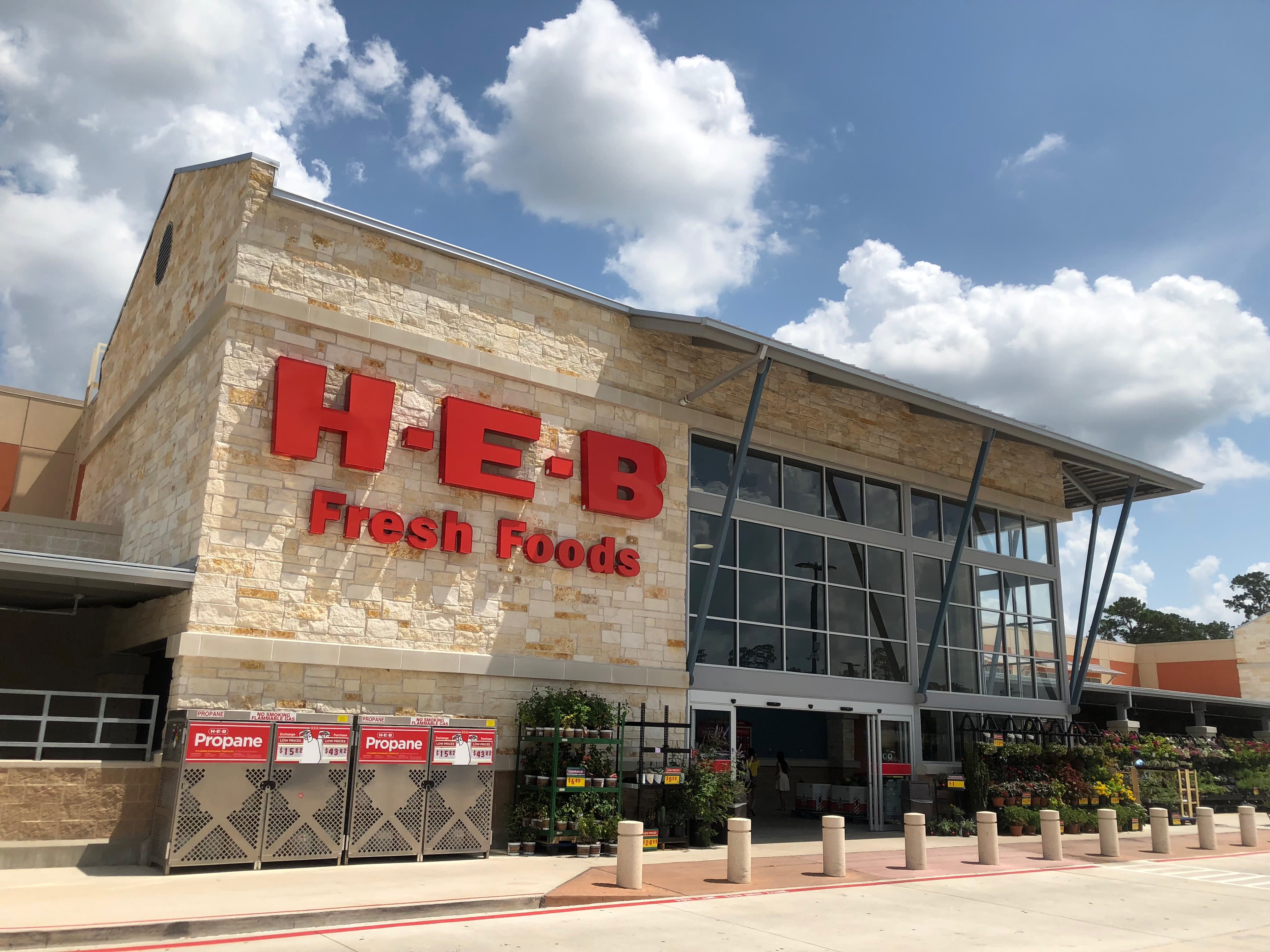
When locals or construction professionals talk about HEB Marble Falls, they usually aren't discussing a grocery store layout. They're referring to the unique intersection of regional Texas limestone and marble geology, local commercial development, and the distinct architectural identity of Marble Falls, Texas. While AI-generated content mills often confuse the name with a standard supermarket branch, the real story involves local quarrying history, structural stone composition, and urban growth in the Texas Hill Country.
Understanding this topic requires looking past generic search snippets. This guide breaks down the true geology of the Marble Falls area, the architectural realities of working with local stone, how commercial developments like H-E-B integrate into the regional landscape, and what property owners need to know about regional construction standards.
The Geological Reality Behind Marble Falls Stone
Marble Falls sits along the Colorado River in Burnet County, an area renowned for its unique geological formations. The local bedrock isn't just standard sedimentary limestone; intense tectonic pressure and heat millions of years ago transformed portions of the region's carbonate rock, creating dense decorative stones often marketed regionally as Texas marble.
Unlike imported Italian Carrara, local Burnet County stone features distinct mineral inclusions, iron oxide staining, and varied veining patterns. These geological traits give local facades a warm, earthy palette dominated by cream, buff, and subtle pink undertones.
- Composition: Primarily calcitic and dolomitic limestone altered by regional metamorphism.
- Durability: High compressive strength, making it resilient against weathering and the hot Texas climate.
- Porosity: Moderate to low, requiring professional sealing when used in exterior architectural applications.
Commercial Growth and Architecture in Marble Falls
When commercial projects take shape in the region—including retail anchors like the local H-E-B grocery store—municipal ordinances and architectural traditions heavily influence the design. Burnet County and the City of Marble Falls enforce specific masonry and exterior design standards to preserve the Hill Country aesthetic.
Developers can't just slap generic metal panels or synthetic stucco on commercial buildings. Local codes favor native limestone, regional stone cladding, and earthy color palettes that blend into the surrounding hills and granite outcrops.
Why Regional Stone Matters for Commercial Projects
- Thermal Mass: Thick stone walls absorb heat during scorching Texas afternoons and release it slowly at night, improving building energy efficiency.
- Wind and Storm Resistance: Central Texas weather brings severe thunderstorms, hail, and high winds. Properly anchored stone veneer provides superior impact resistance compared to vinyl or lightweight siding.
- Zoning Compliance: Local planning boards prioritize aesthetic continuity, meaning commercial projects that incorporate local stone secure approvals faster.
Sourcing and Working with Local Building Stone
If you're planning a custom residential build or a commercial renovation in the Texas Hill Country, sourcing stone locally changes your logistics and budget. Hauling heavy masonry materials across long distances adds steep freight costs, so utilizing quarries within a 50-mile radius of Marble Falls makes financial and environmental sense.
Contractors working with this material must account for several practical factors:
- Cut Variations: Because the stone forms naturally with varied veining, dry-laying a wall or facade before permanent installation is essential to balance color tones.
- Finishing Options: Sawn, honed, and flamed finishes react differently to sunlight. A honed finish cuts down on glare, which is critical for bright Hill Country exteriors.
- Maintenance Needs: Natural stone requires periodic cleaning and sealing to prevent organic growth like mold or algae, particularly in shaded, humid microclimates near the Colorado River.
Common Mistakes When Buying Regional Stone
Homeowners and developers new to the area frequently make costly errors when selecting masonry for their projects. Avoiding these pitfalls saves time and prevents structural headaches down the line.
- Ignoring Porosity: Assuming all local stone is identical leads to sealing failures. Softer limestone variants absorb moisture rapidly if left unsealed.
- Skipping Mockups: Ordering stone based solely on a digital photo guarantees disappointment. Always request physical job-site samples to view the exact grain and color variation.
- Choosing Incompatible Mortar: Using high-strength Portland cement mortar on soft, breathable stone causes the edges to spall and crack as the building shifts. Always match mortar compressive strength to the specific stone hardness.
Frequently Asked Questions
Is Marble Falls named after actual marble?
Yes. Early settlers and geologists named the area after the series of cascading rapids over blocky, marble-like limestone outcrops along the Colorado River. While the original falls were largely submerged by the creation of Lake Marble Falls following the construction of Max Starcke Dam, the geological name remains.
Can I buy stone directly from Marble Falls quarries for DIY projects?
Most regional quarries supply commercial contractors and masonry distributors in bulk, but several local stone yards in Burnet County sell direct to consumers for landscaping, patios, and accent walls.
How does local stone compare to imported granite for countertops?
While imported granites offer extreme hardness and stain resistance for kitchen interiors, local Texas limestone and marble provide a softer, warmer aesthetic that develops a natural patina over time. It requires more vigilant sealing against acidic foods like citrus and wine.
What building codes apply to stone masonry in Marble Falls?
Construction projects must adhere to international building codes alongside local municipal ordinances enforced by the City of Marble Falls, which dictate specific veneer tie spacing, weep hole requirements, and seismic/wind load bracing for stone facades.



