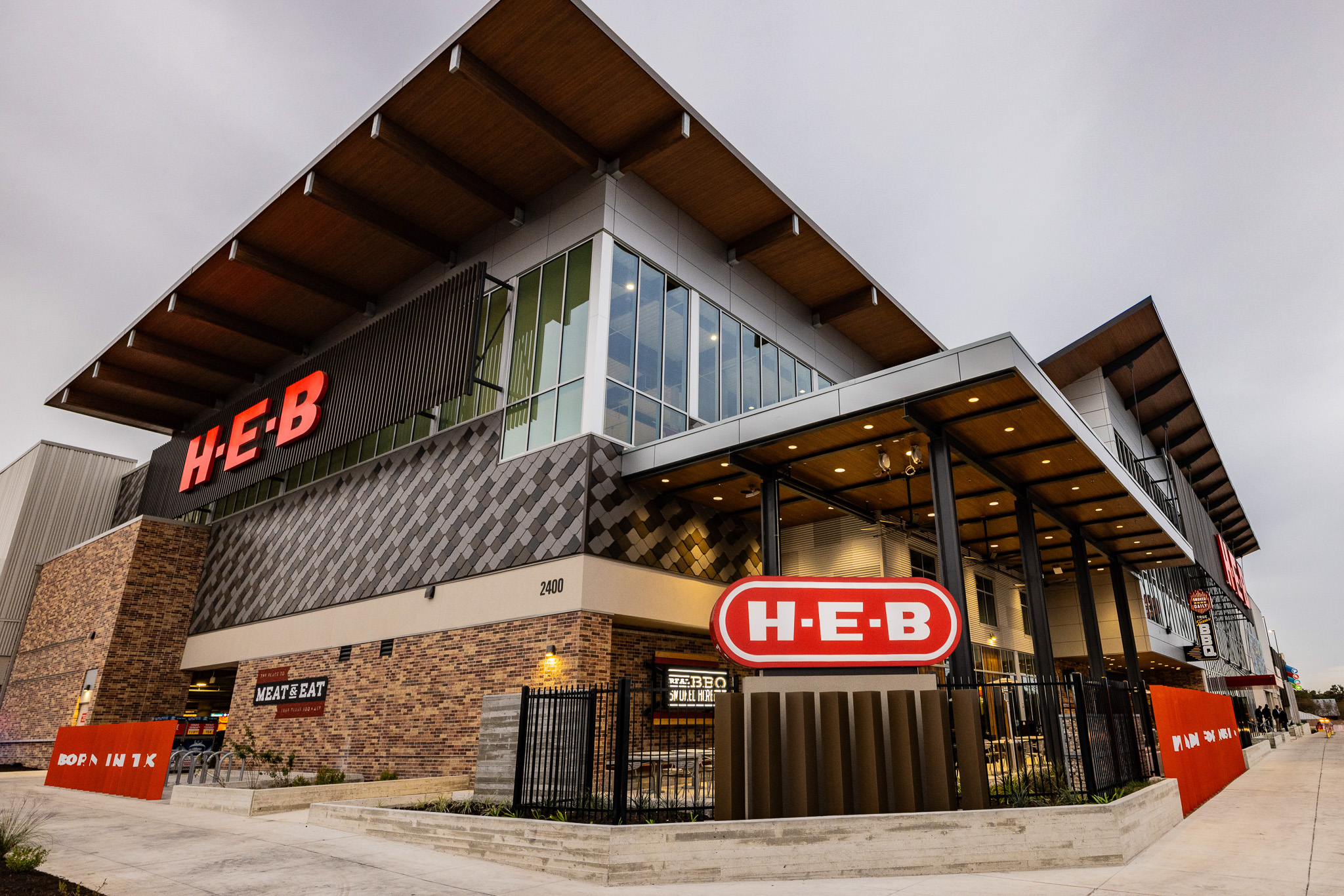
Managing commercial and residential waste streams requires more than standard municipal garbage collection. In growing regions like Marble Falls, Texas, local hubs and major retail anchors such as H-E-B face increasing pressure to modernize how they handle packaging, food diversion, and curbside logistics. Innovative waste strategies focus on local collection efficiency, material recovery, and turning discarded resources into productive outputs rather than landfill filler.
Local stakeholders and businesses are rethinking traditional disposal models by integrating smart recovery programs. Diverting organic waste and capturing recyclable materials at scale requires localized cooperation, clear infrastructure, and reliable collection pathways. When grocery storefronts and regional hubs align their operations with circular economy principles, they significantly cut down regional refuse volumes.
Rethinking Community Waste Streams
Traditional waste management relies heavily on linear processes: consumer purchases items, uses them, and throws the remainder into a single bin destined for a local landfill. This model strains municipal infrastructure and accelerates environmental degradation. Urban waste innovation replaces this linear path with closed-loop systems that prioritize sorting, composting, and material repurposing right where waste is generated.
Retail operations generate high volumes of corrugated cardboard, soft plastics, and organic food scraps. Without targeted diversion programs, these materials overwhelm local hauling services. Modern community programs introduce decentralized drop-offs and structured pickup frameworks that capture recyclables before they get mixed into general refuse.
- Source Separation: Isolating organic matter from dry recyclables at the point of discard.
- Store-Level Drop-Offs: Providing accessible collection points for plastic bags and film packaging.
- Organic Diversion: Partnering with regional processors to turn food trimmings into high-grade compost.
The Mechanics of Retail and Curbside Diversion
Implementing an effective waste reduction model at a high-traffic regional hub involves operational changes across logistics and customer touchpoints. Retailers handling heavy daily customer traffic must streamline how backroom inventory packaging is handled. Cardboard bales, wooden pallets, and plastic wraps are systematically collected, compressed, and routed directly to regional recycling mills.
For customers, convenience drives participation. Curbside pickup programs and physical store drop-offs create dual channels for recycling clean materials. Instead of discarding flexible plastics or single-use bags in household bins—where they jam municipal sorting machines—consumers deposit them in dedicated store collection bins.
- Cardboard Recovery: Backroom balers compress corrugated boxes to maximize transport efficiency.
- Organic Food Waste Tracking: Utilizing the EPA Wasted Food Scale to prioritize animal feed donation, composting, or industrial conversion over disposal.
- Soft Plastic Aggregation: Consolidating retail film plastics for specialized recycling processing.
Overcoming Common Hurdles in Local Waste Modernization
Transitioning a community or high-volume commercial hub to advanced waste management rarely happens without friction. Operational bottlenecks, contamination, and fluctuating market demand for recycled commodities create ongoing challenges for local managers and municipal planners.
Contamination remains a primary obstacle. When non-recyclable items enter organic compost streams or dirty materials mix with clean paper, entire batches can be rejected by processing facilities. Clear signage, standardized color-coded bins, and public education campaigns help reduce user error. Another hurdle is transport logistics. Hauling low-density materials like soft plastics long distances isn't always economically viable unless local consolidation centers optimize loads.
- Addressing Contamination: Implementing strict sorting protocols and visual guides at collection sites.
- Logistics Optimization: Partnering with backhaul delivery trucks to carry recyclables back to distribution centers, cutting down extra fuel use.
- Cost Management: Balancing initial equipment investments in compactors and compost bins with long-term landfill disposal savings.
Frequently Asked Questions
What types of materials can be dropped off at retail recycling stations?
Most designated retail bins accept clean, dry plastic shopping bags, dry cleaning bags, bread bags, and clean flexible film packaging used for water cases or paper towels. Items like rigid plastics, garden hoses, or food-contaminated wrappers are typically excluded.
How does organic food waste diversion work in commercial settings?
Commercial entities separate edible surplus food for local food banks and non-profits first. Unsafe or trimmings-grade food scraps are collected in sealed containers, picked up by specialized organic haulers, and processed into commercial-grade compost.
Why are linear waste models being phased out in growing regions?
Linear models increase tipping fees at municipal landfills, consume scarce regional land, and waste valuable raw materials. Closed-loop diversion preserves landfill capacity and lowers greenhouse gas emissions associated with decomposition.
How can small businesses implement similar waste innovations?
Small businesses can start by conducting a waste audit to identify their highest-volume discard items, partnering with local private haulers for organic recycling, and setting up dedicated internal sorting stations for staff.



