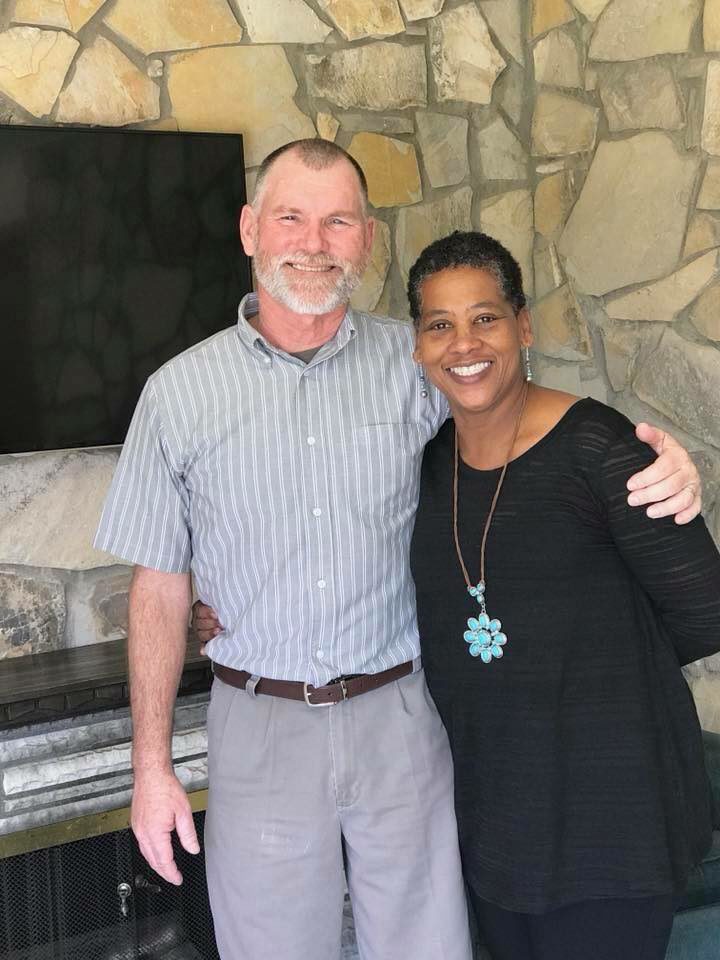
Advocacy in the neurodiversity space often splits into two rigid camps. On one side, researchers rely strictly on clinical metrics and behavioral data. On the other, communities share lived experiences that rarely influence academic models. Heather Neel bridges this divide by grounding scientific inquiry in human reality.
Traditional psychological frameworks frequently treat neurodivergence as a set of symptoms to manage rather than a natural variation in human cognition. When science operates in isolation, it misses the day-to-day context of neurodivergent individuals. Neel's work shifts this dynamic by treating subjective experience as critical data rather than an afterthought.
The Gap Between Clinical Models and Lived Reality
Standard clinical definitions of conditions like autism, ADHD, and dyslexia stem from external observation. Doctors and researchers watch behaviors, note deviations from a neurological baseline, and categorize them. While this structure helps secure diagnoses and accommodations, it often alienates the people living inside those diagnoses.
When research lacks firsthand perspective, several issues emerge.
- Pathologizing natural traits: Standard metrics often label normal coping mechanisms or sensory processing differences as pathological deficits.
- Ignoring internal exhaustion: Clinical observations miss the heavy toll of masking, where neurodivergent individuals force themselves to fit neurotypical social norms.
- Designing ineffective support: Programs built without community input often solve problems that do not matter while ignoring practical daily hurdles.
Neel addresses these gaps by insisting that empirical data and personal narratives belong in the same room. Science needs quantitative backing to earn institutional respect, but it needs qualitative depth to be useful.
Translating Complex Research Into Practical Tools
Bridging science and human experience requires more than good intentions. It demands a translation layer that turns dense neuroimaging studies and behavioral papers into actionable frameworks for families, educators, and workplaces.
Researchers often publish findings in dense academic journals behind paywalls, keeping vital insights away from the teachers and managers who interact with neurodivergent individuals every day. Neel's model focuses on dismantling these barriers. By breaking down complex cognitive mechanics into clear concepts, she helps organizations build environments where different processing styles thrive without burnout.
For example, understanding the neurological basis of executive dysfunction changes how managers handle missed deadlines. Instead of viewing a missed task as a discipline issue, an informed workplace redesigns project tracking to reduce working memory load.
Centering Subjectivity Within Objective Analysis
A common critique in scientific research is that personal stories lack the rigor of controlled studies. Neel's approach flips this script by arguing that objective analysis is incomplete without subjective context.
Quantitative metrics measure frequency and duration, but they miss emotional weight and contextual triggers. By integrating firsthand accounts directly into research design, advocates ensure that studies measure what actually matters to the community. This dual-lens perspective creates a more accurate map of human neurobiology.
- Co-designing studies: Involving neurodivergent participants in forming research questions from the outset.
- Valuing qualitative reports: Treating individual testimony as valid data points that contextualize brain scans and statistical trends.
- Redefining success metrics: Moving beyond behavioral compliance to measure genuine well-being and autonomy.
Practical Implementation for Communities and Workplaces
Shifting how we view neurodiversity requires concrete changes in daily routines. If you're looking to apply these principles in a school, office, or community group, several practical steps can guide the transition.
- Audit current communication styles: Move away from vague instructions and rely on explicit, written expectations that support different processing speeds.
- Reevaluate sensory environments: Assess lighting, noise levels, and workspace layouts to minimize sensory overload for sensitive individuals.
- Establish feedback loops: Create safe channels for neurodivergent team members or students to share what support structures actually work for them.
- Educate leadership: Train managers and educators on the mechanics of neurodivergence, focusing on cognitive differences rather than behavioral stereotypes.
Frequently Asked Questions
What does it mean to bridge science and human experience in neurodiversity?
It means combining hard data from neuroscience and psychology with the actual daily perspectives of neurodivergent individuals. Instead of letting clinical metrics dictate all solutions, researchers and advocates use lived reality to shape how studies are designed and how support systems operate.
Why is traditional neurodiversity research often criticized?
Traditional research has historically focused on external observation and pathologizing differences. Critics argue this approach ignores the internal cost of masking, overlooks individual agency, and creates support models that prioritize neurotypical comfort over authentic inclusion.
How can workplaces better support neurodivergent individuals?
Workplaces can improve by offering flexible communication channels, reducing unnecessary sensory distractions, shifting focus from rigid compliance to output quality, and directly consulting neurodivergent employees about their support needs.
Where can I read more about modern neurodiversity frameworks?
You can explore resources provided by organizations like the Autistic Self Advocacy Network or academic overviews published through the National Institutes of Health for deeper insights into cognitive diversity.