Summer temperatures climb higher each decade. When extreme heat settles over a region, meteorologists and public officials switch to precise terminology to warn communities about health risks. You need to understand these specific expressions because they define the severity of hot weather events and dictate safety protocols. Without a clear grasp of this technical language, it's easy to underestimate the danger of rising temperatures during a heat wave.
A heat wave is an extended period of excessively hot weather, usually lasting two or more days, accompanied by high humidity. When meteorologists talk about these weather patterns, they don't just throw out random temperature numbers. They use distinct categories like heat dome, thermal inversion, and apparent temperature to describe what you actually feel outside. Let's break down the core vocabulary you hear on weather broadcasts every summer.
Core Meteorological Terms for Extreme Heat
Weather forecasters rely on technical definitions to distinguish a normal warm afternoon from a dangerous weather emergency. Grasping these terms helps you interpret local forecasts accurately.
Heat Dome
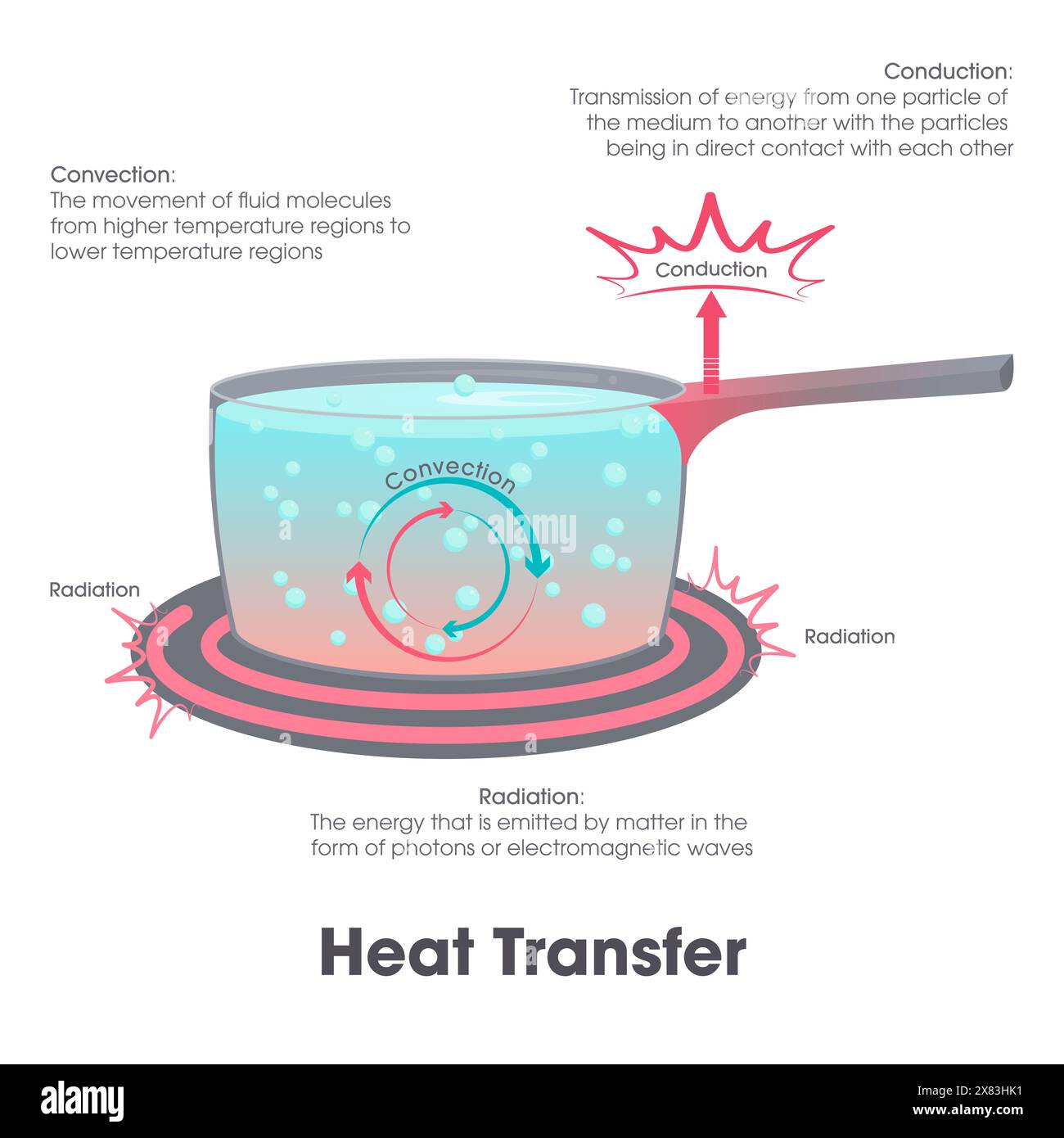
A heat dome happens when a large pool of high pressure traps hot air over a region, much like a lid on a pot. This atmospheric trap prevents cool air from moving in, while sinking air compresses and warms up even more. These systems can sit over a continent for weeks, blocking storms and baking everything underneath. You'll hear this term used when summer temperatures break historical records across an entire multi-state region.
Apparent Temperature and the Heat Index
Air temperature alone doesn't tell the full story. Apparent temperature, often measured by the Heat Index, combines actual air temperature and relative humidity to reflect how hot it feels to the human body. When humidity climbs, your sweat can't evaporate efficiently. Because evaporation is your body's main cooling mechanism, high humidity makes a 90-degree day feel like 105 degrees. Weather services like the National Weather Service issue advisories based on these combined heat index values rather than raw thermometer readings.
Thermal Inversion
Normally, air gets cooler as you gain altitude. During a thermal inversion, a layer of warm air traps a layer of cooler, stagnant air near the ground. During a summer heat event, this traps pollutants and stifling humidity right where people live and breathe, creating an oppressive blanket of heat that doesn't cool off overnight.
Understanding Heat Warnings and Advisory Alerts
Meteorological agencies use tiered alert systems to warn the public before dangerous temperatures peak. Knowing the difference between these alerts can save lives.
Heat Advisory vs. Excessive Heat Warning
A heat advisory signals that high temperatures and humidity will combine to create a significant discomfort level, posing risks if you spend too much time outdoors unprotected. An excessive heat warning, on the other hand, is much more serious. It means extremely dangerous heat conditions are occurring or imminent. When an excessive heat warning hits your area, safety officials recommend staying in air-conditioned spaces during peak daylight hours.
Overnight Recovery and Lows
Meteorologists look closely at nighttime minimum temperatures during a multi-day heat event. If nighttime lows stay above 80 degrees Fahrenheit, buildings without air conditioning never cool down. This lack of nighttime relief drastically increases health risks, especially for older adults and vulnerable populations who accumulate heat stress over consecutive days.
Popular Expressions and Colloquialisms
People use various idioms to describe extreme heat in casual conversation. While these phrases aren't scientific, they capture the physical experience of scorching summers.
Dog Days of Summer
This expression refers to the hottest, most sultry weeks of the summer season. The phrase originates from ancient astronomy, linking the hottest period of the year with the heliacal rising of Sirius, the Dog Star. Today, we simply use it to describe mid-to-late July and August when temperatures peak and humidity makes the air feel heavy.
Baking and Scorching
When locals say it's baking outside or the pavement is scorching, they are describing radiant heat coming off asphalt and concrete. Urban environments suffer from the urban heat island effect, where buildings and roads absorb solar energy during the day and radiate it back out slowly, keeping cities hot long after sunset. According to the U.S. Environmental Protection Agency, urban areas can be up to 20 degrees warmer than surrounding rural areas during peak heat events.
Common Mistakes When Interpreting Heat Forecasts
Many people misinterpret summer weather reports, leading to dangerous exposure. Avoid these typical errors:
- Relying solely on the thermometer number while ignoring humidity levels.
- Assuming night brings natural relief when high humidity prevents body cooling.
- Ignoring heat advisories because the temperature isn't setting a daily record.
- Underestimating how quickly dehydration sets in during light outdoor activity.
Frequently Asked Questions
What makes a heat wave official?
Meteorologists typically define a heat wave as a stretch of at least three consecutive days where temperatures remain unusually high for a specific geographic area, measured against historical averages.
Why does high humidity make heat dangerous?
High moisture content in the air prevents sweat from evaporating off your skin. Because evaporation is how the human body regulates internal temperature, high humidity traps heat inside you.
What is the urban heat island effect?
Cities feature vast expanses of dark pavement, concrete, and buildings that absorb heat efficiently. This built environment creates microclimates that stay significantly hotter than nearby rural fields or forests.
How can I prepare for an incoming heat wave?
Check your air conditioning units early, plan outdoor chores for the early morning hours, stock up on drinking water, and identify local cooling centers in your community. For detailed safety guides, consult the Centers for Disease Control and Prevention.



