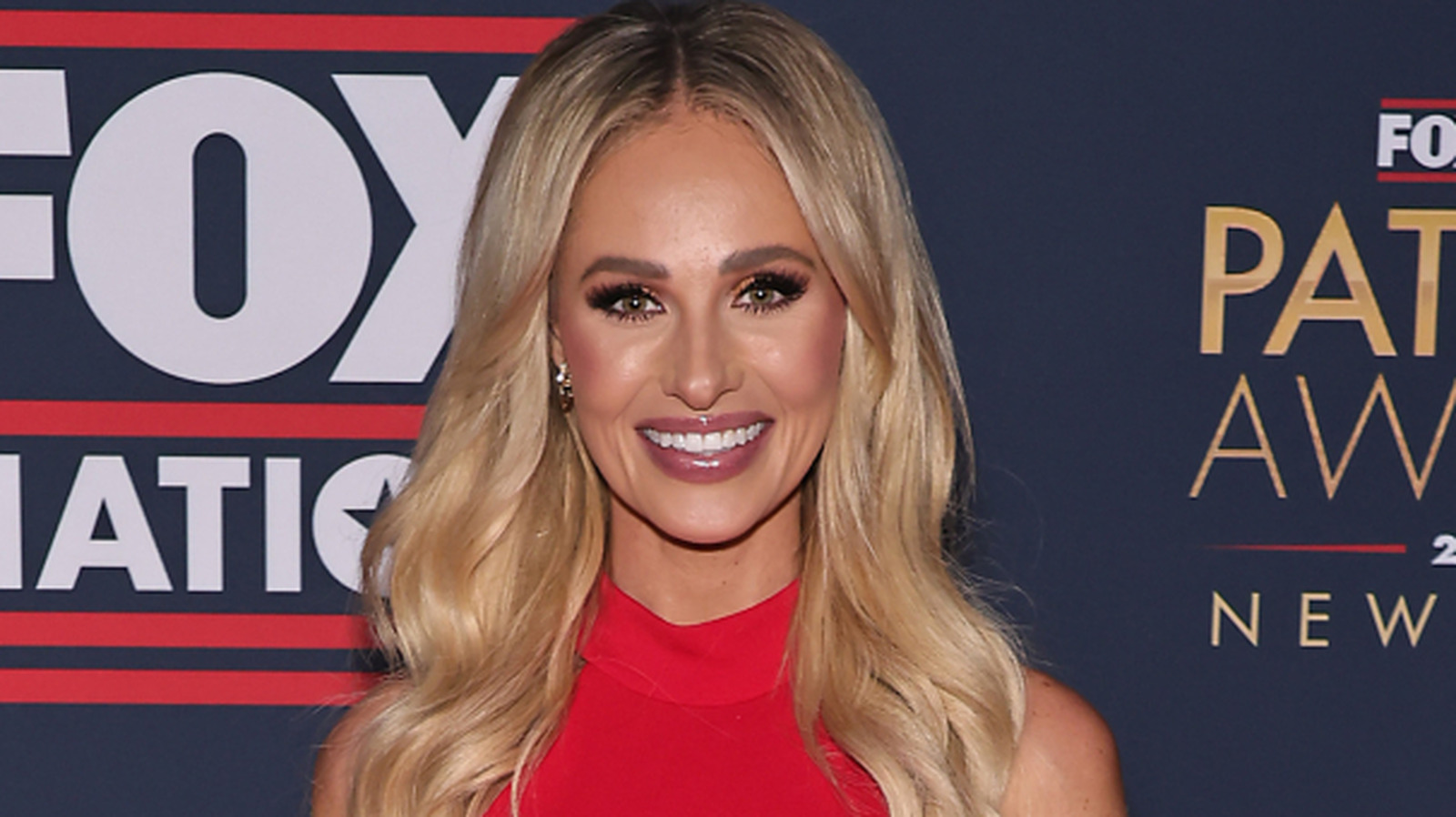
Hayley Novak is changing how television handles Western sports. As an on-air personality and broadcast journalist for The Cowboy Channel, she brings authentic arena experience to media production, bridging the gap between professional rodeo competitors and everyday viewers. Instead of treating rodeo as a weekend novelty, Novak's coverage treats horsemanship, timing, and livestock management with the analytical rigor usually reserved for traditional major league sports.
The traditional sports media landscape long overlooked rodeo, cutting, and reining events. Networks often reduced rural athletics to caricatures or soundbites. Novak's career alters that pattern by combining real operational knowledge of ranching and competition with sharp journalism. Her work highlights why modern equestrian sports broadcasting demands hosts who have actually ridden the rough stock and handled the pressure of the arena.
The Evolution of Western Sports Broadcasting
For decades, televised rodeo lived in the margins of sports programming. Broadcasts were sporadic, often relegated to late-night slots with minimal technical analysis. Fans tuned in to see the ride, but rarely received context about livestock bloodlines, athlete conditioning, or the precise mechanics of a clean run.
The launch of dedicated networks changed the math. Producers needed on-air talent who didn't need a cheat sheet to know the difference between a flank strap and a rigging. Novak entered this space equipped with practical background knowledge. Her journey from regional competition circuits to national television screens reflects a broader industry shift toward authentic representation. For additional context on this development, comprehensive analysis can be read on The New York Times.
- Technical Depth: Explaining split-second timing, animal care rules, and scoring criteria to casual audiences.
- Cultural Relevance: Presenting modern cowgirls and cowboys as elite professional athletes.
- Narrative Consistency: Turning isolated events into cohesive seasonal storylines that keep viewers engaged year-round.
Bridging Competitor Experience and Journalism
What sets Novak apart from conventional sports broadcasters is her direct footing in the culture. Growing up immersed in Western life means she speaks the language fluently. When she interviews a world-champion barrel racer or a top-tier team roper, the conversation moves past generic questions. She asks about horse footing, trailer fatigue, and strategic livestock selection.
This insider perspective solves a long-standing television problem: how to make niche sports accessible to newcomers without alienating purists. When viewers watch her segment breakdowns during major events like the National Finals Rodeo or the Women's Rodeo World Championship, they get a masterclass in sports literacy.
"The goal isn't just to show a fast time on screen; it's to make sure the audience understands the years of preparation that made those three seconds possible."
Representation and the Next Generation
Media visibility matters in sports. For young riders growing up in rural communities, seeing competent, articulate women leading national broadcasts alters career horizons. Novak's recognition—such as her placement in industry spotlights like the Cowgirl 30 Under 30—highlights a generational shift. Women are no longer just participating in Western sports; they are anchoring the networks that broadcast them.
This representation extends behind the camera as well. Modern Western media production requires digital distribution, podcast integration, and real-time social media analysis. Novak's work spans across linear television broadcasts and digital companion shows like Where Rodeo Meets the Road, proving that traditional grit scales effectively into multi-platform digital media.
Common Misconceptions About Rodeo Media
Outsiders often misunderstand how professional rodeo operates on television. Clearing up these myths helps explain why specialized journalists like Novak are vital to the ecosystem.
- Myth: Rodeo television is unscripted chaos. Reality: Live broadcasts require intense logistical coordination, exact timing around livestock rules, and rapid-fire ad-libbing by hosts who must fill dead air during arena maintenance.
- Myth: Hosts are just hired models. Reality: Networks increasingly rely on individuals with deep industry credentials who can accurately evaluate animal welfare and competition disputes.
- Myth: The audience is strictly rural. Reality: Streaming and dedicated cable packages draw millions of urban and suburban viewers who treat rodeo athletes with the same fandom as traditional ballplayers.
Frequently Asked Questions
What is Hayley Novak's background in Western sports?
Hayley Novak grew up immersed in the Western lifestyle, giving her firsthand experience with horses and competition before transitioning into professional sports journalism and broadcasting.
Which network does Hayley Novak work for?
She is primarily known for her on-air hosting, reporting, and digital media work with The Cowboy Channel.
What events does she typically cover?
Her coverage spans major national competitions, including PRCA events, the National Finals Rodeo (NFR), and the Women's Rodeo World Championship.
Why is specialized talent important for rodeo broadcasting?
Specialized hosts understand complex rulebooks, animal behavior, and the physical demands of the sport, allowing them to provide accurate, engaging commentary that educates casual viewers while respecting industry veterans.


