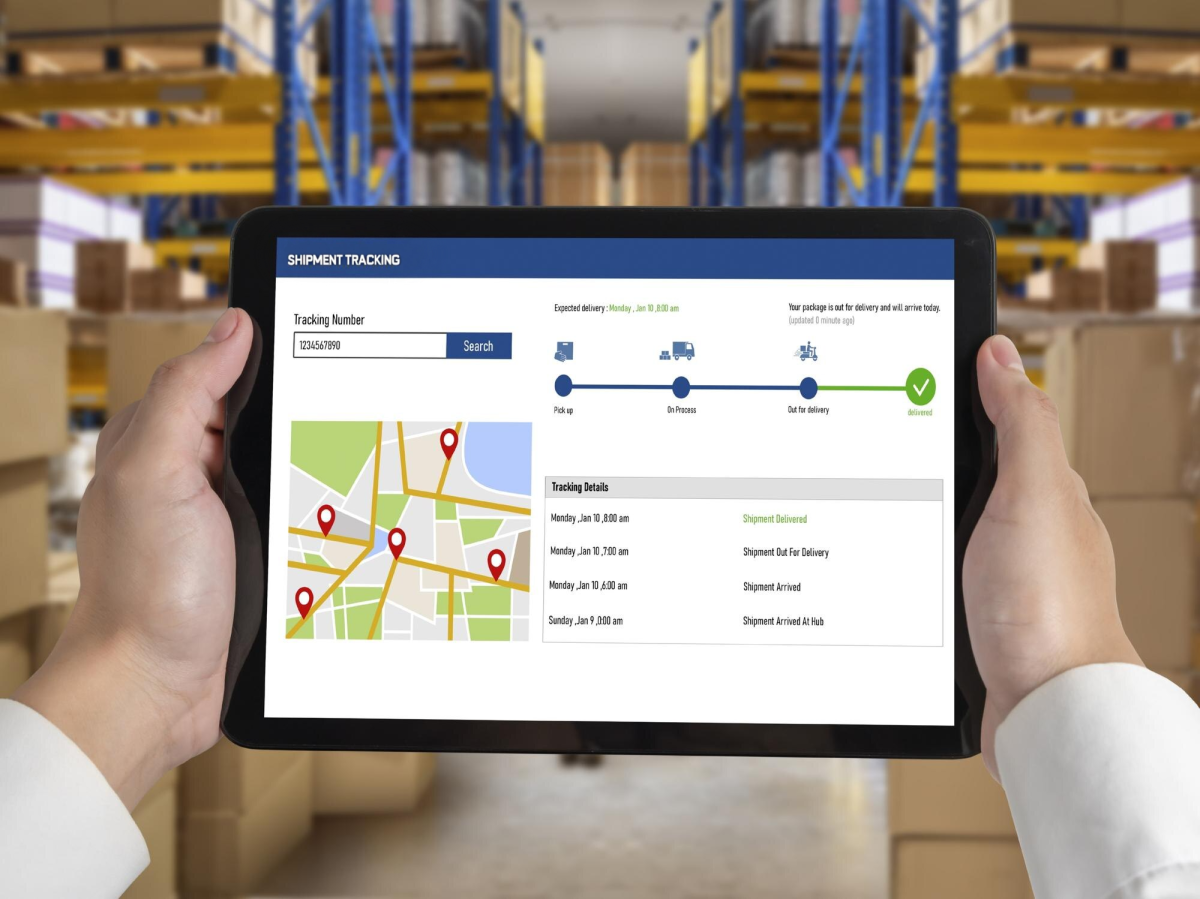
Navigating island-to-mainland freight logistics requires precision. When you move goods across the Pacific, uncertainty costs money. Hawaiian Air Cargo handles thousands of pounds of perishable goods, medical supplies, and commercial freight daily. Knowing how to monitor your shipments in real time transforms a stressful blind spot into a streamlined operation.
Decoding the Air Waybill Number
Every shipment moving through this carrier relies on a specific identifier known as the Air Waybill (AWB). For Hawaiian Air Cargo, this document number always starts with the airline prefix 173, followed by an eight-digit unique code.
- Prefix (173): Identifies Hawaiian Airlines as the issuing carrier.
- Serial Digits (8 numbers): Pinpoints your specific booking and manifest.
You'll find this 11-digit string on your shipping confirmation receipt, booking contract, or physical sticker attached to the cargo container. Without it, tracking progress becomes impossible. Keep this number stored securely before your freight reaches the drop-off facility.
Step-by-Step Tracking Procedure
Checking shipment status doesn't require complex software. Follow these direct steps to pull live updates on your freight:
- Locate your 11-digit Air Waybill starting with 173.
- Navigate to the official Hawaiian Air Cargo portal.
- Locate the designated tracking input box on the homepage.
- Enter the full number, including dashes or spacing if required by the field format.
- Hit enter or click the tracking button to load milestone history.
The resulting dashboard displays physical scan events. You'll see timestamps for cargo acceptance, build-up status, flight assignment, arrival, and final availability for pickup.
Understanding Status Milestones
Air freight tracking data uses standardized industry terminology. Misinterpreting these codes leads to wasted trips to the cargo terminal. Here is what the primary status updates actually mean on your screen:
- Accepted: The facility has physically received your shipment, verified documentation, and weighed the freight.
- Manifested: Your cargo is assigned to a specific flight schedule and loaded onto equipment for tarmac transfer.
- Departed: The aircraft has left the origin airport. Tracking usually goes quiet during active flight hours across the Pacific.
- Arrived: The plane has landed at the destination hub, but goods are still moving through de-vaning and sorting queues.
- Ready for Delivery: Cargo has cleared necessary local inspections and staff can release it to the consignee.
Common Logistics Mistakes to Avoid
Even experienced supply chain managers run into avoidable hurdles when tracking inter-island or transpacific air freight. Watch out for these operational missteps:
- Checking too early: Entering your number immediately after dropping off packages results in "not found" errors. Give the intake team up to two hours to log initial acceptance scans into the central database.
- Confusing order numbers with AWBs: E-commerce receipt numbers or internal purchase order IDs won't work in the cargo portal. You must use the master AWB.
- Ignoring pickup cutoffs: "Ready for delivery" doesn't mean cargo sits indefinitely without storage fees. Terminal space is tight, and failing to pick up freight within designated free-time windows triggers penalty charges.
Frequently Asked Questions
What should I do if my tracking status hasn't updated in 24 hours?
Long gaps usually mean your shipment is mid-flight over open ocean sectors where ground scanners don't operate. If it's stuck at an origin hub past the scheduled flight time, contact customer support directly to check for weather or mechanical delays.
Can I track Hawaiian Air Cargo shipments on third-party apps?
Yes. Universal multi-carrier platforms like Track-Trace parse the 173 prefix automatically and route requests to the underlying airline database. However, the official carrier portal always reflects real-time operational changes first.
Who can pick up the cargo at the destination terminal?
Only the named consignee or a designated authorized agent with valid photo identification and the correct AWB number can claim the shipment. If a third-party trucking service handles final mile pickup, ensure they carry proper documentation.
How do I handle damaged or missing freight upon arrival?
Inspect goods immediately at the terminal dock before leaving the premises. If you notice compromised packaging or missing pieces, file an irregularity report with the station agent on duty before taking possession of the remaining cargo to protect your insurance claims.



