Planning a trip means timing it right. September brings warm daytime temperatures, water reaching peak annual warmth, and a noticeable drop in tourist crowds once Labor Day passes. Summer family travelers have gone home, flights and resorts often feature lower rates, and the islands settle into a calmer rhythm. Yet, planning around this month requires understanding specific regional rain patterns, trade wind shifts, and the tail end of the Pacific hurricane season.
Daytime highs across major resort areas like Waikiki, Kaanapali, and Kona routinely sit in the mid-to-high eighties Fahrenheit, hovering around 86°F to 88°F (30°C). Evenings offer mild relief, cooling down to the mid-seventies. Ocean temperatures peak around 81°F to 82°F (27°C), making extended swimming, snorkeling, and diving exceptionally comfortable without needing a rash guard for warmth.
Understanding Regional Climate Patterns
Hawaii doesn't have a single uniform forecast. Microclimates dictate what you'll experience depending on which island and coast you visit.
Windward Versus Leeward Coasts
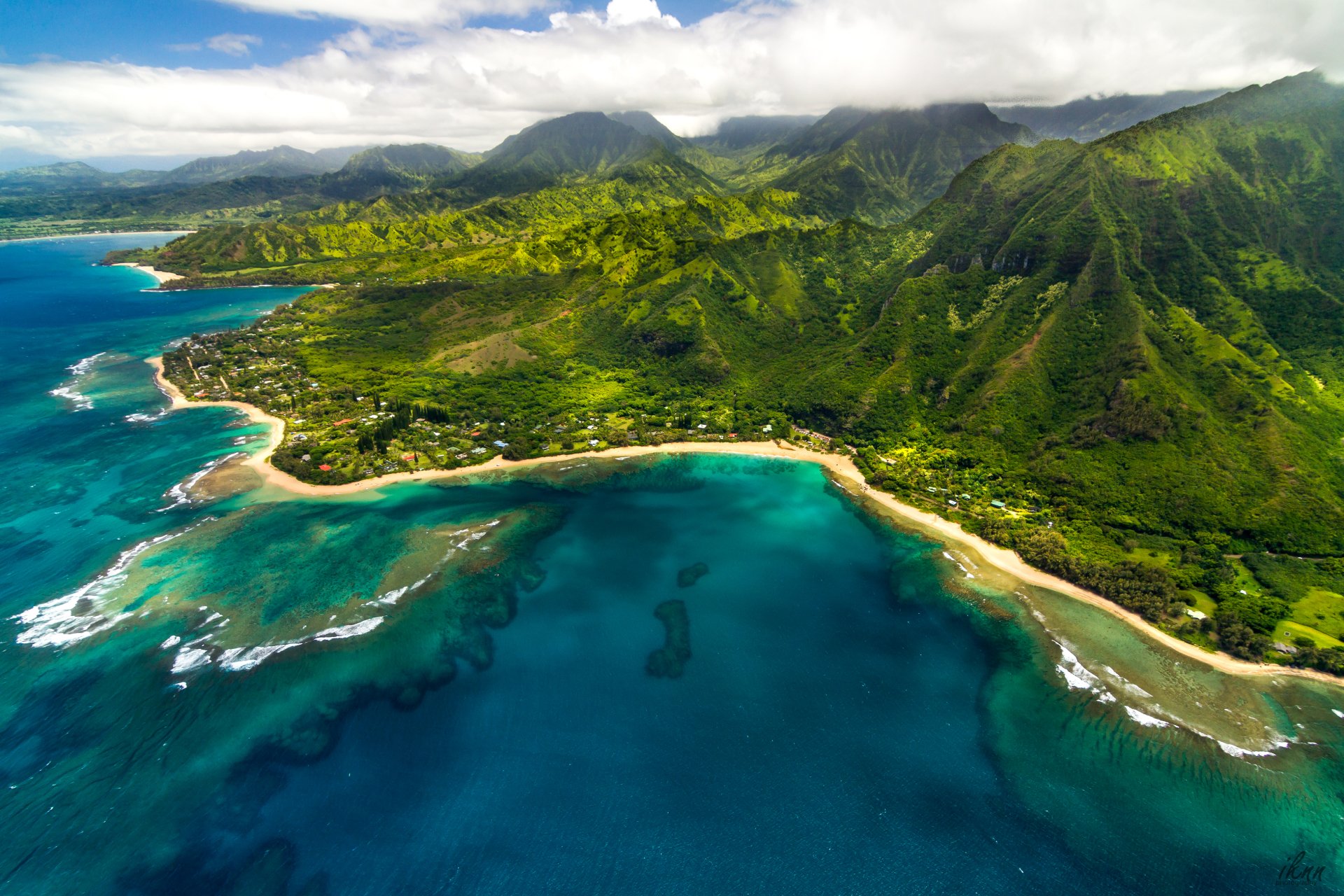
The northeast trade winds push moisture against mountain ranges, creating frequent liquid sunshine on windward slopes. If you stay on the windward side—such as Kaneohe on Oahu, the Hamakua Coast on the Big Island, or Hana on Maui—expect brief, passing tropical showers. These keep the rainforests lush and green. Leeward coasts, including the Kohala Coast of the Big Island, Poipu on Kauai, and Kihei on Maui, stay protected behind volcanic peaks, offering drier skies and reliable sunshine.
Island-by-Island Temperature and Rain Breakdown
- Oahu: Honolulu and Waikiki stay warm and relatively dry, with occasional mountain clouds and afternoon humidity.
- Maui: South and west shores remain sunny, while interior upcountry areas like Kula experience cooler breezes and passing mist.
- Kauai: The Garden Isle receives more moisture overall, but September stays generally manageable with drier spells on the southern and western beaches.
- Big Island: Kona offers pristine beach weather, while Hilo on the east side sees higher rainfall totals typical of its tropical rainforest environment.
Ocean Conditions and Water Safety
The water hits its warmest state of the year in September. Calm days on south-facing shores create ideal conditions for paddleboarding, snorkeling, and swimming. However, ocean dynamics shift during this month.
North and west shores can experience early-season north swells, generating unpredictable currents and rough surf. Always check local reports from the National Weather Service Honolulu before entering the water, and stick to lifeguarded beaches.
Navigating the Shoulder Season Benefits
Choosing September comes with distinct logistical advantages.
Lower Costs and Smaller Crowds
With schools back in session, airfare, rental cars, and resort rates drop significantly compared to June, July, and August. Restaurants have shorter wait times, popular hiking trails on Kauai or Maui feel less congested, and booking activities like helicopter tours or boat charters becomes easier at the last minute.
Hurricane Season Considerations
September sits in the middle-to-late stretch of the Central Pacific hurricane season, which runs from June through November. While direct landfalls remain rare due to cooler surrounding waters that weaken storms, tropical depressions or distant systems can pass nearby. These distant storms occasionally bring heavy downpours, high surf, and humid, windless days. Keep an eye on the Central Pacific Hurricane Center for updates if a system forms during your stay.
What to Pack for a September Vacation
Packing for Hawaii in September means balancing lightweight summer clothing with practical gear for sudden tropical downpours and breezy coastal evenings.
- Breathable fabrics: Linen, lightweight cotton, shorts, and tank tops for hot daytime exploring.
- Sun protection: High-SPF reef-safe sunscreen, a wide-brimmed hat, and polarized sunglasses.
- Rain gear: A compact, lightweight rain jacket or poncho for sudden mountain or windward showers.
- Footwear: Sturdy hiking shoes or trail runners if you plan to tackle muddy rainforest trails, alongside comfortable sandals or water shoes.
- Evening layers: A light sweater or windbreaker for breezy dinners or higher-elevation excursions like Haleakala National Park.
Frequently Asked Questions
Does it rain all day in September in Hawaii?
No. Rain usually falls as quick, heavy passing showers—often overnight or early in the morning—frequently followed by immediate sunshine and rainbows. All-day washouts are rare unless a tropical system passes close by.
Are the trade winds active during this month?
Yes. Northeast trade winds blow consistently through most days. These breezes provide natural cooling relief from the high afternoon humidity, though they can make east-facing beaches choppy.
Is September a good time to visit for first-time travelers?
It's widely considered one of the best months. You get prime summer-like ocean temperatures and weather without the massive family crowds, inflated peak-season pricing, or packed attractions found earlier in the year.
Do I need to book rental cars and hotels far in advance?
While crowds thin out, popular boutique resorts, specific beachfront properties, and economical rental cars still book up early. Securing your lodging a few months ahead ensures better selection and pricing.



