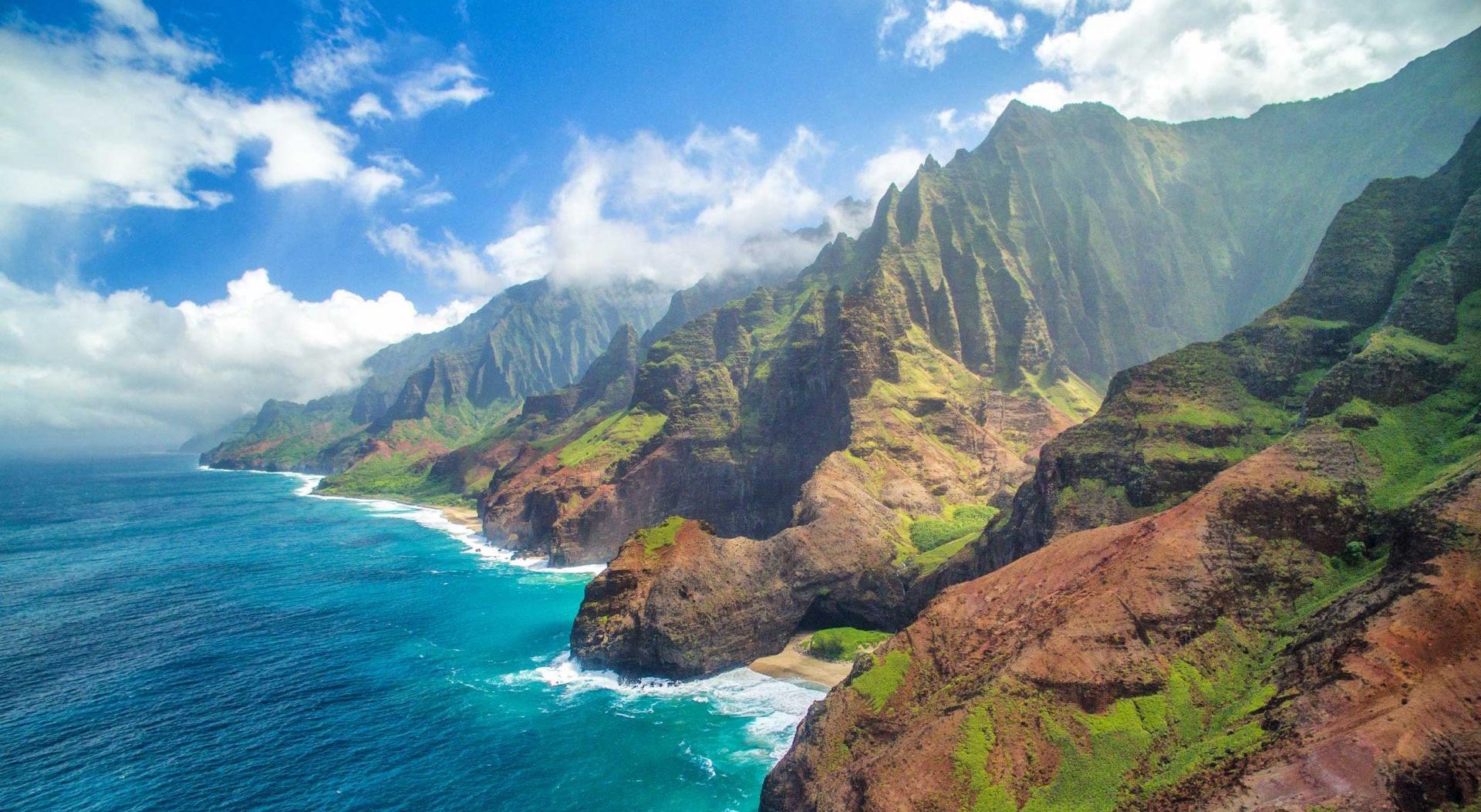
Planning a trip means understanding that June brings some of the most reliable and pleasant weather of the entire year across the islands. Coastal daytime highs hover comfortably between 82°F and 85°F, while nighttime lows settle near a mild 70°F to 74°F. Because June sits at the start of the dry summer season, you'll experience consistent sunshine, warm ocean temperatures averaging around 78°F, and steady trade winds that keep the tropical humidity manageable.
While coastal resort areas enjoy pristine beach days, microclimates across the archipelago mean conditions change rapidly depending on your elevation and island geography. Rain showers still occur, but they're typically brief, passing quickly over windward mountain slopes while leeward beaches stay sunny.
Temperature and Coastal Climate Patterns
Coastal temperatures in June remain remarkably stable. You won't face oppressive heat waves, but you'll get plenty of warmth for swimming, snorkeling, and hiking.
- Daytime Highs: Typically reach 84°F to 86°F at sea level across major hubs like Honolulu, Maui Guide, and Kona.
- Nighttime Lows: Drop to a comfortable 70°F to 74°F, making air conditioning optional if you have good cross-breeze through your windows.
- Water Temperatures: The ocean hits roughly 78°F to 80°F, creating ideal conditions for extended snorkeling and swimming sessions.
Direct sun exposure is intense because the islands sit close to the equator. Even when trade winds keep things feeling cool, UV indexes reach extreme levels by late morning. Sunscreen and protective layers are mandatory gear for any outdoor itinerary.
Rainfall and Microclimates Explained
Hawaii doesn't have a single uniform weather pattern. Instead, dozens of microclimates exist side by side. June is officially part of the drier summer months, but precipitation still occurs due to windward topography.
Trade winds blow consistently from the northeast, pushing moisture-laden clouds against steep mountain ranges. When these clouds hit high elevations, they drop brief liquid refreshers.
- Windward Sides (East): Areas like Hilo on the Big Island or Windward Oahu experience occasional morning or overnight showers. These are usually short-lived and followed by bright sunshine.
- Leeward Sides (West): Resorts in Wailea, Kaanapali, and Kohala sit protected behind mountain peaks. These areas see almost zero rain in June, maintaining clear skies nearly every afternoon.
- High Elevations: Places like Koke'e State Park on Kauai or Volcanoes National Park sit higher up. Temperatures drop significantly with every thousand feet of elevation, requiring a fleece or light jacket after sunset.
Island-by-Island June Weather Breakdown
Every island features unique terrain that modifies standard summer weather patterns.
On Oahu, Honolulu and Waikiki stay warm and dry, while the Pali-adjacent ridges catch passing windward trade wind mist.
Maui splits neatly between the arid west coast resort strips and the wet, lush road to Hana. June is an exceptional month for the road to Hana because stream crossings are safer and dirt tracks are less muddy than during winter storms.
Kauai delivers gorgeous beach weather on the south and west shores, though the dramatic cliffs of the North Shore catch occasional summer showers that keep the foliage hyper-vibrant.
The Big Island presents the most extreme contrast. Kona stays sunny and hot, while Hilo experiences regular tropical moisture. More importantly, high-altitude destinations like Mauna Kea and Haleakalā summit on Maui drop close to freezing overnight despite 85°F temperatures down at sea level. If you're planning a stargazing or sunrise excursion, winter-grade gear is mandatory.
Common Mistakes Travelers Make
Misjudging Hawaiian weather leads to avoidable discomfort. Avoid these common missteps when planning your June itinerary:
- Skipping sun protection on cloudy days: Thin high-altitude clouds filter glare poorly. Many visitors get severe sunburns during overcast morning walks because they skipped SPF.
- Ignoring elevation drops: Packing only shorts and tank tops for high-elevation cabins or mountain lookouts leaves visitors shivering during sunset viewings.
- Assuming all beaches have identical surf: Summer brings smaller swells to north shores and larger, sometimes hazardous south shore swells depending on southern hemisphere storm activity. Always check local National Weather Service forecasts before entering the water.
- Underestimating trade wind strength: Gusts on exposed coastal headlands and ridgelines can easily reach 30 mph, turning light beach umbrellas into hazards if they aren't properly secured.
Frequently Asked Questions
Does it rain every day in Hawaii in June?
No. June is among the driest months of the year. While windward and mountain areas catch brief, passing showers—often at night—leeward resort areas experience weeks of uninterrupted sunshine.
Do I need a wetsuit for ocean activities in June?
You won't need a wetsuit for standard swimming, snorkeling, or surfing since water temperatures hover around a warm 78°F. However, if you're taking a deep scuba diving excursion, operators may provide shorty wetsuits for comfort during longer submerged periods.
How strong are the trade winds in June?
Trade winds blow steadily from the northeast at moderate speeds of 10 to 20 mph, with occasional stronger gusts on exposed ridges. These breezes act as natural air conditioning, making high daytime temperatures feel much more comfortable.
Are there hurricanes or tropical storms in June?
The central Pacific hurricane season officially begins on June 1, but actual storms rarely impact the islands during this early window. Ocean surface temperatures are still warming up, keeping the threat of tropical cyclones very low.



