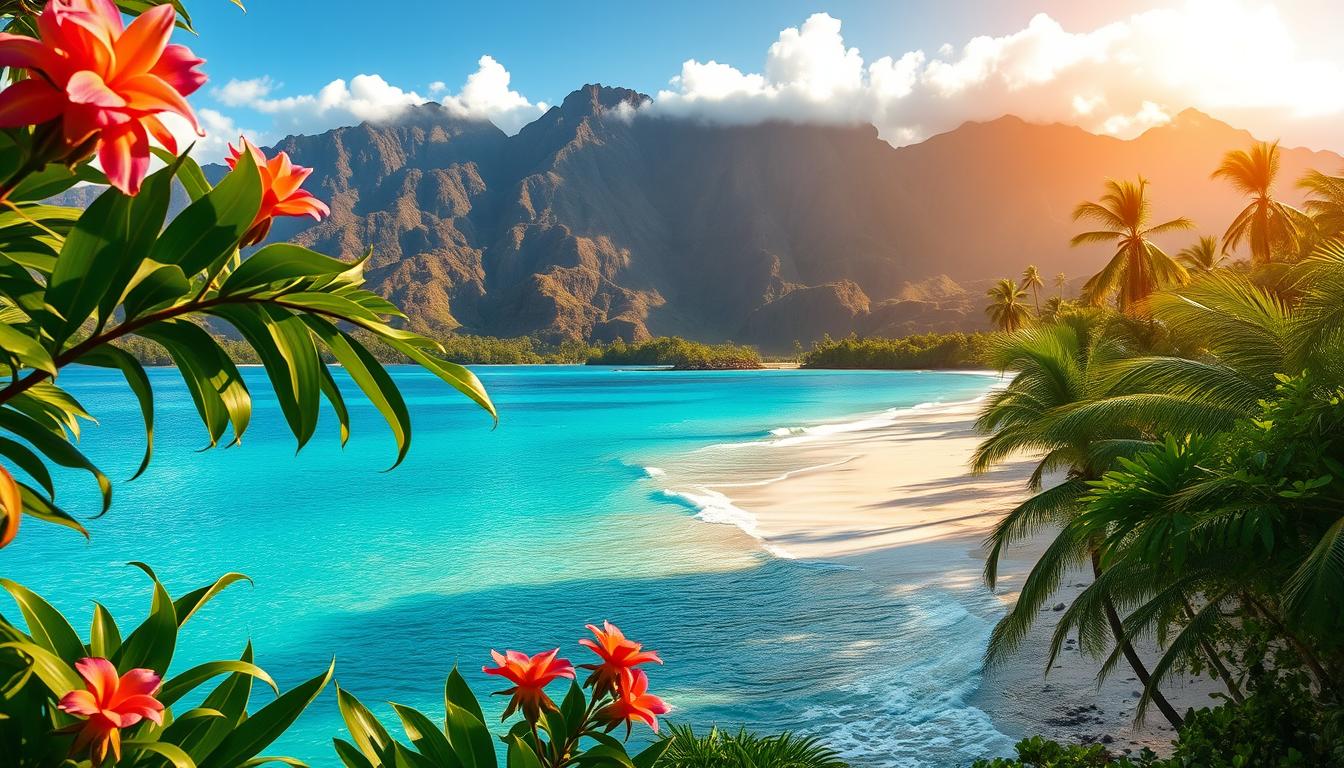
Planning a trip to the islands means navigating winter conditions, but February offers a sweet spot of warm days and manageable crowds. Daytime temperatures across major coastal hubs hover comfortably around 26°C, while nighttime lows drop to a mild 18°C to 20°C. You won't face scorching summer heat, making it an ideal period for outdoor exploration, hiking, and whale watching.
While it's technically the rainy season, precipitation varies wildly depending on which side of an island you're visiting. Windward slopes catch frequent showers, while leeward resort areas stay dry and sunny. Understanding these microclimates ensures you pick the right beach and avoid getting soaked on your holiday.
Temperature Breakdowns Across the Main Islands
Every island features unique geography that alters daily weather patterns. Coastal areas stay warm, but elevation plays a massive role in how clothing choices change from sea level to mountain peaks.
Oahu and Honolulu
Honolulu daytime highs average 27°C, dropping to 19°C after sunset. Waikiki beaches stay lively, and ocean temperatures hover around 24°C, which feels refreshing rather than freezing. Rain showers occur on about nine days of the month, usually arriving as brief morning or evening liquid sunshine rather than all-day washouts.
Maui and the Leeward Resorts
Kaanapali and Wailea on Maui's western shore experience daytime peaks of 25°C to 28°C. High-altitude locations like Haleakala National Park tell a completely different story, where temperatures can plunge near freezing due to high elevation. Packing a heavy jacket is non-negotiable if you plan to watch the sunrise above the clouds.
Kauai and the Big Island
Kauai captures more moisture, earning its nickname as the Garden Isle. Expect lush green valleys fueled by regular rain. Meanwhile, the Kona side of the Big Island stays sunny and dry, recording highs near 28°C, while Hilo on the windward side catches significantly more rainfall.
Ocean Conditions and Marine Life
February marks peak humpback whale season. Thousands of majestic marine mammals migrate from Alaska to the warm, shallow channels between Maui, Lanai, and Molokai. Catamaran tours and shore-watching spots offer incredible sightings.
Ocean swells peak during this month, creating massive waves on the North Shores of Oahu and Kauai. Surfing championships draw professionals, but these rough waters make swimming dangerous for casual beachgoers. If you want calm swimming conditions, stick to protected southern or western coves like Poipu Beach or the Hawaii Tourism Authority official safety recommendations.
Microclimates and Rainfall Realities
A common mistake travelers make is assuming an entire island shares the same weather. Hawaii operates on microclimates created by towering volcanic mountains blocking trade winds.
- Windward (North/East): Faces steady trade winds pushing moisture onshore, resulting in higher rainfall totals and lush landscapes.
- Leeward (South/West): Shielded by mountains, these coasts stay dry, sunny, and protected from gusty winds.
- Uplands: Mountain interiors and valleys drop sharply in temperature and require layers.
What to Pack for a February Vacation
Packing for winter in the tropics requires a balanced suitcase. You'll need standard beach gear alongside practical layers for cooler evenings and wet trails.
- Lightweight layers: Breathable shirts, shorts, and swimwear for daytime adventures.
- Evening warmth: A light sweater, fleece, or windbreaker for breezy restaurant patios and boat excursions.
- Rain protection: A packable, waterproof jacket or poncho for sudden downpours on hiking trails.
- Footwear: Sturdy hiking shoes with good grip for muddy rainforest paths, alongside reef-safe sunscreen approved by the National Oceanic and Atmospheric Administration.
Frequently Asked Questions
Can you swim in Hawaii in February?
Yes, ocean temperatures average 24°C, which is comfortable for swimming. However, you must pay attention to local warning signs because winter swells create dangerous rip currents, particularly on northern and eastern shores.
Is February very crowded?
Visitor volumes peak around Presidents' Day weekend and the weeks surrounding Valentine's Day. Booking accommodations and rental cars months in advance helps secure availability and better pricing.
Do I need a rental car with four-wheel drive?
Standard rental cars work fine for the vast majority of paved coastal highways and resort areas. You only need a rugged vehicle if you plan to access remote mountain trails or specific backcountry roads outlined by local car rental restrictions.
How windy does it get?
Trade winds blow consistently at moderate speeds, keeping humidity low and air quality fresh. Gusts pick up occasionally near coastal headlands or mountain passes, but they rarely disrupt standard vacation plans.



