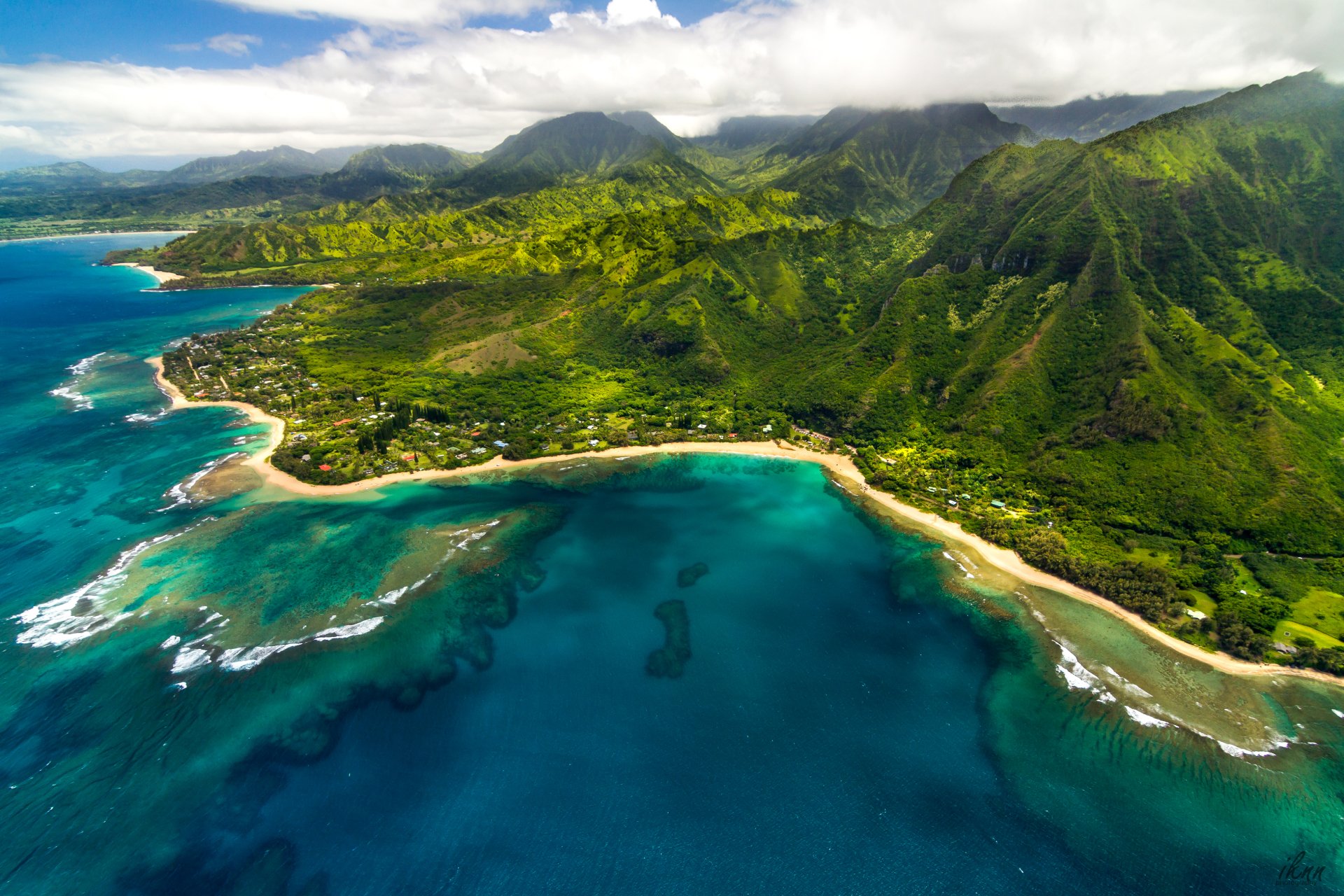
Planning a trip to the islands during the winter months means trading mainland snow for daytime highs hovering between 78°F and 82°F (25°C to 28°C). While February sits right in the middle of Hawaii's rainy season, storms rarely derail a vacation. Showers tend to pass quickly, especially on the leeward resort coasts, leaving plenty of room for beach days, hiking, and peak-season whale watching.
Understanding microclimates, ocean conditions, and what to pack helps you avoid common winter travel mistakes. Here is what you actually need to know about Hawaii weather in February before booking your flights or packing your bags.
Temperature Breakdown Across the Islands
Hawaii’s coastal areas maintain steady warmth year-round, but elevations and island geography create notable temperature shifts.
Coastal and Beach Temperatures
At sea level, daytime highs routinely reach the upper 70s to low 80s. You'll spend most of your days in shorts and t-shirts. As the sun sets, temperatures cool down to the mid-to-high 60s (around 18°C to 20°C). While that sounds mild, ocean breezes make open-air dinners or evening beach strolls feel crisper than the numbers suggest.
Microclimates and Elevation
If you plan to visit upcountry Maui, Volcanoes National Park on the Big Island, or the peaks of Oahu, expect a dramatic drop. Temperatures in high-elevation areas can plummet into the 50s or even 40s Fahrenheit during the evening and early morning hours. Packing a fleece or lightweight jacket is essential if mountain exploring is on your itinerary.
Rainfall Patterns: Where It Rains and Why
February is statistically one of the wetter months, but rain distribution is heavily localized due to the islands' dramatic topography.
- Windward Coasts (East/North): Areas like Hana on Maui, Princeville on Kauai, and Hilo on the Big Island catch moisture-laden trade winds, resulting in frequent tropical showers and lush, green rainforests.
- Leeward Coasts (West/South): Resort areas like Wailea (Maui), Poipu (Kauai), and Kona (Big Island) sit in the rain shadow of massive volcanic mountains. These regions stay predominantly dry and sunny even in February.
Most rainy days feature passing morning or overnight showers rather than all-day washouts. A heavy downpour often clears within an hour, frequently yielding vibrant rainbows across the valleys.
Ocean Conditions and Swimming Safety
The Pacific Ocean around Hawaii reaches its coolest point in late winter, but "cool" in Hawaii still means water temperatures averaging between 74°F and 75°F (23°C to 24°C). Most visitors find this comfortable for swimming, snorkeling, and long beach sessions.
However, winter brings massive ocean swells to the North Shores of all major islands. While these towering waves create world-class spectacles for watching professional surfers, they make swimming dangerous or outright banned on northern beaches. If you want calm water for swimming and snorkeling, stick to the protected bays on the southern and western shores.
Wildlife and Seasonal Highlights
February isn't just about escaping winter weather—it is prime time for marine life.
- Humpback Whales: Thousands of humpback whales migrate from Alaska to the warm, shallow channels between Maui, Molokai, and Lanai. February marks the peak of the whale-watching season, making boat tours and shore sightings nearly guaranteed.
- Fewer Crowds: Aside from holiday weekend bumps around Presidents' Day, mid-February crowds drop significantly compared to the summer rush and the winter holiday fortnight, offering a more relaxed island experience.
According to Hawaii Tourism Authority, winter arrivals stabilize nicely after January, giving travelers better access to popular state parks and cultural sites.
What to Pack for Hawaii in February
Packing for a Hawaiian winter requires a balance of breathable beachwear and versatile layers for breezy evenings or mountain excursions.
Wardrobe Essentials
- Swimwear (at least two suits): High humidity means clothes take longer to dry; having a spare swimsuit prevents damp discomfort.
- Light Layers: Pack a couple of light sweaters, cardigans, or hoodies, plus one pair of long pants or jeans for cooler nights.
- Active Wear: Moisture-wicking shirts and athletic shorts for hiking through muddy rainforest trails.
- Rain Shell: A packable, lightweight rain jacket is much more practical than a heavy umbrella, which wind gusts can easily flip inside out.
- Footwear: Comfortable walking sandals ("slippers"), reef-safe water shoes, and sturdy closed-toe sneakers or hiking boots with good traction.
Non-Clothing Gear
- Reef-Safe Sunscreen: Hawaii legally mandates mineral-based sunscreens containing zinc oxide or titanium dioxide to protect fragile coral reefs.
- Polarized Sunglasses: Essential for cutting ocean glare during boat trips and coastal drives.
- Daypack: A durable backpack to carry water, snacks, and extra layers on waterfall hikes.
Check guidelines from the National Park Service if you plan to visit high-altitude craters like Haleakala, where temperatures can sit near freezing before sunrise.
Frequently Asked Questions
Can you comfortably swim in Hawaii in February?
Yes. Ocean temperatures hover around 74°F to 75°F (23°C to 24°C), which is warm enough for most swimmers. Just pay close attention to local beach warning signs, as winter brings strong rip currents and high surf to north-facing shores.
Which Hawaiian island is the driest in February?
The leeward coasts—such as the South Kohala coast on the Big Island, South Maui (Kihei/Wailea), and the west side of Kauai (Waimea)—receive the least amount of rainfall during the winter months.
Do I need a rental car for a February trip?
Public transit on islands like Oahu is functional, but exploring diverse microclimates, remote beaches, and mountain lookouts on Maui, Kauai, or the Big Island requires renting a car. Book vehicles well in advance to secure reasonable rates during peak whale-watching weeks.
How windy is Hawaii in February?
Trade winds blow consistently throughout the winter, averaging 10 to 20 mph. While refreshing on hot afternoons, wind gusts can feel brisk on open ocean overlooks or windy points like the Pali Lookout on Oahu, making a windproof outer layer helpful.



