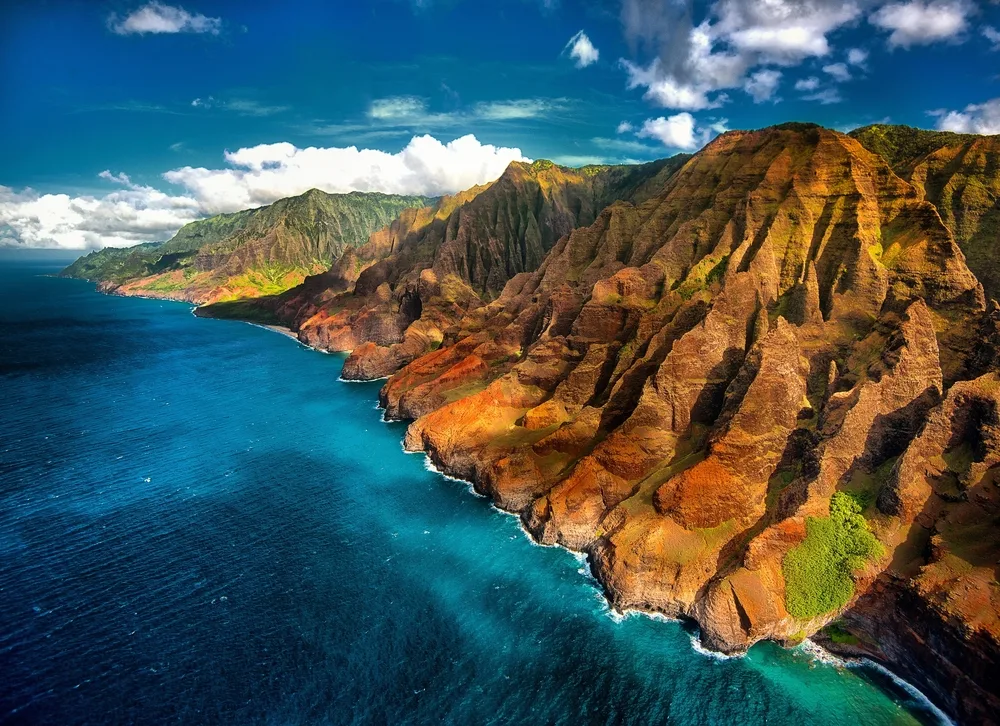
Planning a winter trip to the islands means balancing warm tropical days with the reality of peak seasonal swells and liquid sunshine. If you are wondering what to expect, Hawaii weather in February delivers average daytime highs around 25°C to 28°C (78°F to 82°F) alongside cooler evening lows dropping down to 18°C to 20°C (65°F to 68°F). While it's one of the cooler months of the year, it remains a fantastic time to visit, especially if you want to catch peak humpback whale activity.
Rainfall varies dramatically depending on which island and microclimate you visit. Windward mountain slopes catch frequent tropical showers, while leeward resort areas like Waikiki, Kaanapali, and Kona stay dry and sunny. Ocean temperatures hover around 23°C to 25°C (74°F to 77°F), which is brisk for locals but comfortable for swimming, though north shore swells require caution.
Temperature Breakdowns Across the Islands
Air temperatures in February stay reliably warm at sea level, but elevations and microclimates change things fast. You don't need heavy winter gear for the beach, but you'll want a light jacket for higher elevations or breezy nights.
- Coastal and Beach Level: Daytime highs reach 25°C to 27°C (77°F to 81°F) across major resort areas on Oahu, Maui, Kauai, and the Big Island.
- Nighttime Lows: Temperatures slide down to 19°C (66°F) after sunset, feeling slightly crisp if a damp trade wind picks up.
- Higher Elevations: Places like Volcanoes National Park on the Big Island or upcountry Maui drop significantly, sometimes dipping into single digits Celsius (low 50s Fahrenheit) overnight.
Rainfall Patterns and Microclimates
February is part of Hawaii's wet season, which runs from November through April. However, a rainy month doesn't mean a washout of your vacation. Showers tend to arrive in sharp, fast-moving bursts—often overnight or early in the morning—clearing up quickly for afternoon sunshine.
To dodge the worst of the rain, stay on the leeward (west and south) sides of the islands. Places like Poipu on Kauai or Lahaina on Maui sit in rain shadows, receiving a fraction of the moisture that windward valleys get. If you book a cabin in Hanalei or Hana, expect muddy trails and frequent downpours. It's the price of seeing those lush, waterfall-heavy landscapes.
Ocean Conditions and Swimming Safety
The Pacific Ocean around Hawaii undergoes a seasonal shift in February, creating a sharp contrast between shores.
- North and West Shores: Winter storms far out in the Pacific generate massive swells. Waves regularly tower over 20 to 30 feet, creating world-class conditions for professional surfing at spots like the Banzai Pipeline on Oahu. However, these shores are extremely dangerous for casual swimmers and carry powerful rip currents. Always check National Weather Service surf advisories before stepping foot in the water.
- South and East Shores: Protected bays and leeward beaches offer much calmer water. While the ocean is at its coolest annual baseline—roughly 23°C to 24°C (74°F to 75°F)—it's still warm enough for swimming, snorkeling, and paddleboarding.
Wildlife Encounters Unique to February
The cooler water and winter weather patterns align with a major wildlife event: the peak of the North Pacific humpback whale migration. Thousands of whales travel from Alaska to the warm, shallow channels between Maui, Molokai, and Lanai to mate and calve.
You can spot breaches, tail-slaps, and spouts right from the shoreline on Maui's Pali Highway, or book a whale-watching catamaran tour out of Lahaina or Maalaea Harbor. February also brings occasional winter jellyfish arrivals, so it helps to check local marine alerts before hitting sandy beaches like Waikiki.
Common Mistakes to Avoid
Travelers often stumble into a few predictable traps when planning a February trip to the islands. Keep these missteps in mind to protect your schedule and budget.
- Assuming it's a tropical beach washout: People hear "rainy season" and avoid the islands entirely. In reality, showers are localized, and you'll still get plenty of sunshine if you choose the right coast.
- Underestimating north shore surf: Swimming on a north-facing beach during a winter swell can be fatal. Respect local warning signs and stay out of heavy shore breaks.
- Skipping layers for evening events: Packing only shorts and tank tops will leave you shivering during sunset catamaran sails, stargazing on Mauna Kea, or dining outside in upcountry areas.
- Failing to book lodging early: Even though February isn't quite as congested as mid-summer or Christmas week, President's Day weekend and Valentine's Day bring a surge of mainland travelers looking to escape winter.
Frequently Asked Questions
Can you comfortably swim in Hawaii during February?
Yes, you can swim comfortably, provided you choose the right beach. While the water is at its coolest point of the year—around 23°C to 25°C (74°F to 77°F)—it's completely fine for most visitors. Stick to protected leeward and southern beaches to avoid heavy winter surf.
Which Hawaiian island is the driest in February?
The western (leeward) coasts of each major island stay the driest. Look at areas like South Kohala on the Big Island, Wailea on Maui, or Poipu on Kauai if you want to minimize your chances of getting caught in a downpour.
Do I need a rental car with four-wheel drive?
For standard coastal driving and main highways, a regular sedan works fine. However, if you plan to drive up to Mauna Kea on the Big Island or navigate muddy rural roads in outer regions, check your rental agreement, as many standard contracts prohibit driving on unpaved roads like the road to Hana or Saddle Road without specific vehicle types.
Are flights and hotels more expensive in February?
Prices spike around major holidays like Valentine's Day and Presidents' Day weekend, and families travel during school breaks. Outside of those specific windows, airfares and hotel rates often sit comfortably below peak summer and holiday surges.


