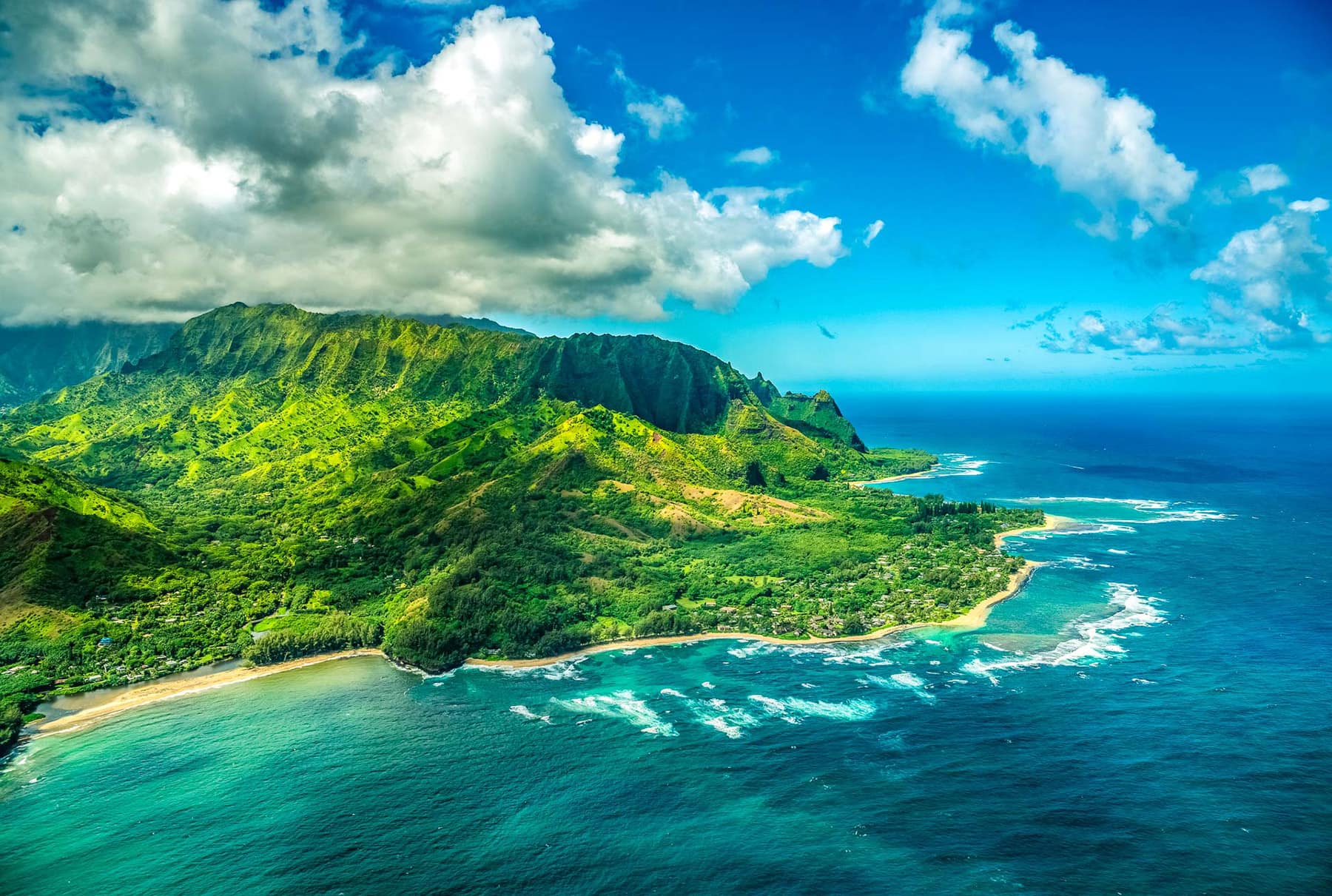
Planning a winter escape means looking past mainland frost and picturing sunny shores. Hawaii temperature in February delivers classic tropical warmth without the scorching humidity of August, keeping daytime highs comfortably near 78°F to 80°F. While coastal beach days remain fantastic, the islands experience distinct microclimates. Mountain elevations and evening hours bring a sharp drop in temperature, while windward valleys catch winter showers.
Understanding how these elements shift across different islands helps you pack the right layers and pick the ideal coast for your itinerary.
Coastal Warmth Versus Mountain Chill
Sea-level temperatures across major resort areas stay remarkably stable throughout late winter. Honolulu, Waikiki, and the Kona Coast on the Big Island regularly see daytime maximums touching 79°F to 81°F. You will spend most of your days in shorts and t-shirts.
Once the sun sets, temperatures cool down to the high 60s (around 66°F to 68°F). This creates crisp, comfortable sleeping conditions, though you'll want a light sweater or fleece if you're sitting out on a lanai after dark.
Elevation changes everything. If you drive up to Kula in Maui, Volcano Village on the Big Island, or head toward the lookout points of Waimea Canyon in Kauai, the thermometer plummets. Mountain regions and high-altitude parks can drop into the 50s or lower during the day, and near freezing at higher summits like Mauna Kea. A heavy jacket is mandatory if you plan on stargazing or hiking high elevations.
Ocean Conditions and Swimming Realities
Water temperatures hover around 74°F to 75°F in February. While this is slightly cooler than the 80°F summer readings, it remains entirely swimmable for most visitors. The catch isn't the water temperature itself; it's ocean safety and wave action.
Winter swells hit the northern and western shores of the islands with massive force. Legendary North Shore swells on Oahu make winter the premier season for watching professional surfing, but those same monster waves create dangerous rip currents that close beaches to swimmers.
If your primary goal is calm water for snorkeling and floating, you need to head to protected southern and eastern pockets.
- South Maui (Wailea and Kihei): Blocked from heavy northern swells by Haleakalā, offering generally calm swimming spots.
- Kona Coast (Big Island): Protected by massive volcanic peaks, keeping the western ocean remarkably flat.
- South Shore Kauai (Poipu): Features reef-protected coves that buffer rough winter surf.
Rainfall Patterns and Microclimates
February falls right in the middle of Hawaii's wetter winter season, but rain rarely ruins an entire trip unless you stay in the wrong spot. Trade winds push moisture against windward mountain ranges, dumping rain on lush valleys like the Hilo side of the Big Island or the lush slopes of Hana.
At the same time, leeward resort districts remain bright and dry. If a morning shower rolls through your resort, driving just ten or fifteen minutes down the coast usually brings you back under clear blue skies. Showers tend to be brief, passing tropical squalls rather than all-day washouts.
Microclimate Breakdown by Island
Choosing where to stay based on February weather patterns prevents vacation disappointment.
- Oahu: Honolulu and Waikiki stay sunny and warm, while the North Shore sees dramatic waves and frequent coastal spray.
- Maui: West Maui (Lahaina, Kaanapali) and South Maui (Kihei, Wailea) offer the best sunshine records, while Hana stays wet and dramatic.
- Kauai: The North Shore (Princeville) experiences heavy winter rain and high winds, making the Sunny South Shore (Poipu) a safer bet for consistent beach days.
- Big Island: Kona offers dry, sunny weather, while Hilo and the northern windward slopes see frequent rainfall that fuels roaring waterfalls.
Strategic Packing List
Packing for Hawaii in February requires versatility because you are crossing multiple microclimates in a single day.
- Beach Essentials: Standard swimwear, quick-dry shorts, UV-protection rash guards (useful for wind resistance in the water), and reef-safe sunscreen.
- Casual Wear: Breathable linen or cotton shirts, t-shirts, and comfortable walking sandals for exploring towns.
- Evening and Elevation Layers: One or two lightweight hoodies, a windbreaker or rain shell for sudden showers, and long pants for cooler dinners or early morning hikes.
- Footwear: Sturdy trail shoes if you plan on tackling muddy rainforest trails like the Kalalau Trail sections or visiting high-elevation state parks.
Frequently Asked Questions
Can I swim comfortably in Hawaii during February?
Yes, the water sits around 74°F to 75°F, which is refreshing rather than freezing. Just stick to protected south- or west-facing beaches to avoid dangerous northern winter surf.
Do I need a rental car with four-wheel drive?
Standard rental cars work for 95 percent of visitors. You only need a four-wheel-drive vehicle if you plan to drive up Mauna Kea on the Big Island or explore specific rugged backroads, which rental companies often restrict anyway.
Are the beaches terribly crowded in February?
February is peak whale-watching season and a popular escape for mainland travelers fleeing winter. Popular beaches mid-day will be busy, but early mornings offer quiet stretches of sand.
How bad are the mosquitoes?
Mosquitoes are present year-round in wet or heavily vegetated areas. Bring a small bottle of insect repellent, especially if you plan on hiking valley trails or visiting botanical gardens.


