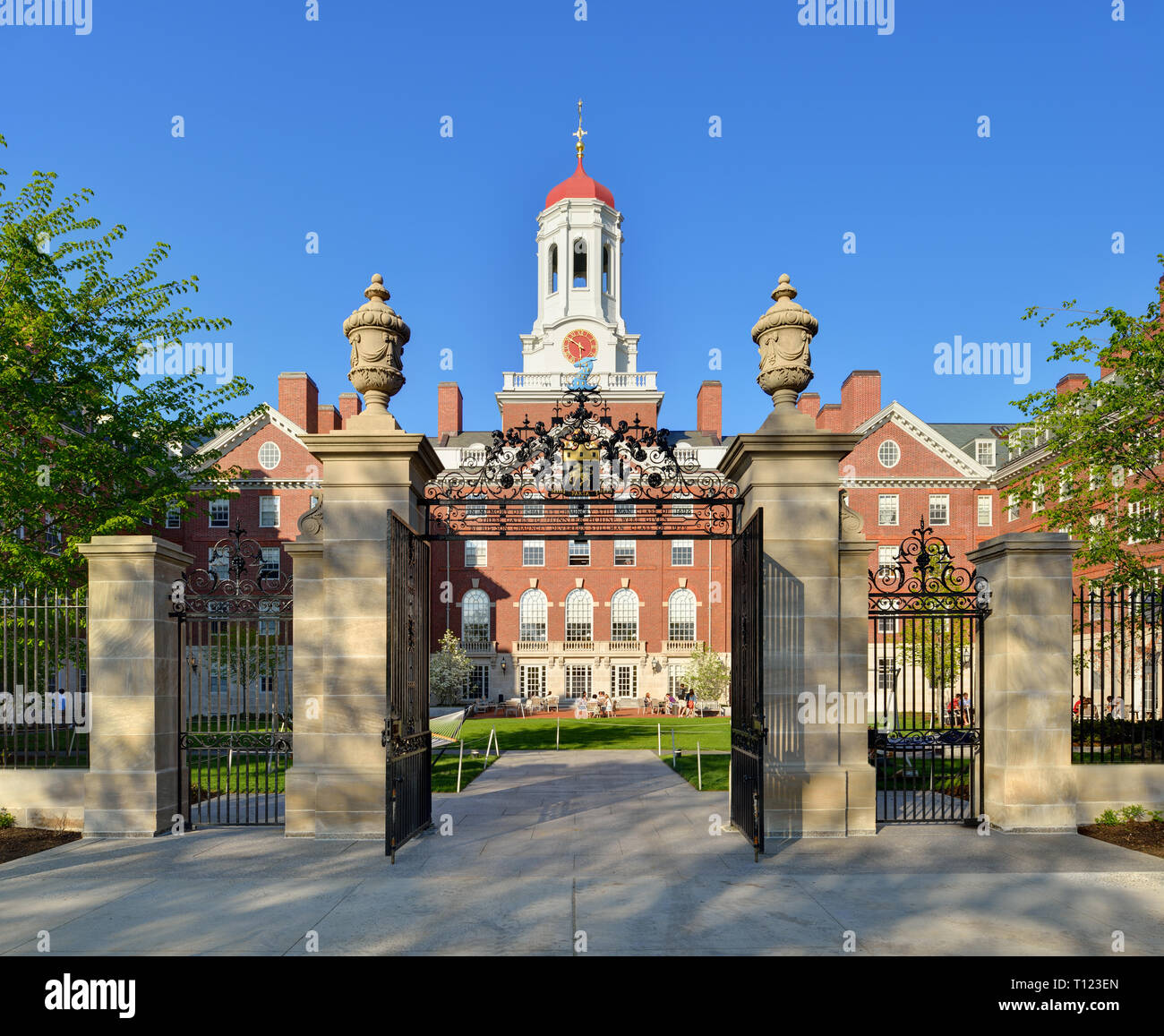
Harvard University’s expanding footprint in California brings elite East Coast institutional power directly into the nation's premier tech and venture capital hub. This strategic migration blends centuries-old academic prestige with western startup dynamism, altering how universities project influence across state lines. Rather than operating a traditional undergraduate campus in the Golden State, Harvard builds targeted executive programs, joint medical research initiatives, and specialized innovation centers that embed its faculty and alumni deeply into Silicon Valley and Los Angeles networks.
This convergence creates a unique bridge between ivy-covered traditions and fast-paced venture ecosystems. Leaders from both coasts collaborate on artificial intelligence, biotech, and venture finance, shifting how academic institutions secure funding and cultivate talent. Understanding this dynamic requires looking past simple geographic myths to examine how institutional power, venture capital, and elite recruitment actually function across state lines.
Strategic Drivers Behind the West Coast Expansion
Universities face intense pressure to diversify revenue streams and secure top-tier research talent. For Harvard, establishing permanent and semi-permanent outposts in California addresses several core institutional goals. First, it taps directly into the massive wealth generated by West Coast technology and venture capital firms. Alumni living in California represent some of the university's most active donors, making localized engagement essential for major capital campaigns.
Second, proximity to innovation hubs gives faculty and graduate students direct access to real-world datasets and engineering talent. Partnering with organizations in the Bay Area and Southern California keeps research relevant to emerging commercial sectors.
- Endowment and Fundraising: Engaging affluent tech founders and venture partners locally.
- Talent Recruitment: Attracting western researchers and computer scientists to collaborative initiatives.
- Industry Proximity: Placing academic teams near major biotechnology and software developments.
By positioning resources directly where technological breakthroughs happen, the university hedges against regional economic shifts while maintaining its global brand authority.
Executive Education and Professional Programs
Executive development represents the most visible commercial application of Harvard's West Coast strategy. Programs designed for founders, senior executives, and public sector leaders bring Ivy League pedagogy straight to California business centers. Instead of requiring busy executives to travel to Cambridge, Massachusetts, faculty fly out or coordinate hybrid sessions anchored in San Francisco and Palo Alto.
These courses focus heavily on digital transformation, artificial intelligence governance, and scaling high-growth enterprises. Participants pay premium tuition rates to gain access to case-method teaching and high-value networking circles. This localized approach allows mid-career professionals to access elite training without pausing their corporate responsibilities.
+---------------------------------------------------------------+
|           Harvard's West Coast Education Model                |
+---------------------------------------------------------------+
|  1. Targeted Executive Courses (Silicon Valley & SF)          |
|  2. Hybrid Learning Modules for Tech Leaders                  |
|  3. Case-Method Training Focused on Scaling & AI Governance   |
+---------------------------------------------------------------+
Joint Research and Biotechnology Partnerships
Beyond executive training, Harvard anchors significant scientific research partnerships within California's robust medical and technological institutions. Joint laboratories and collaborative grants connect researchers from Harvard Medical School with institutions like Stanford and UC San Francisco. These initiatives frequently target high-impact fields such as regenerative medicine, computational neuroscience, and clean energy tech.
Venture capital firms in Menlo Park and San Francisco frequently fund spin-off companies that emerge from these cross-institutional labs. When East Coast scientific rigor meets West Coast venture capital, promising drug discoveries and software innovations transition from academic papers to market-ready prototypes much faster.
The Power of the California Alumni Network
Harvard's greatest operational asset in the region remains its formidable alumni network. Graduates hold managing partner positions at major venture capital firms, lead prominent non-profits, and found unicorn startups across California. This dense concentration of influential figures ensures that Harvard maintains informal sway over local economic and policy discussions.
Annual regional symposiums and alumni gatherings serve as curated spaces where venture capitalists, academics, and policymakers debate tech regulation and economic growth. These networks provide current students with robust internship pipelines and mentorship opportunities that stretch from Boston straight to Silicon Valley.
- Venture Capital Leadership: Alumni partners at tier-one venture funds.
- Startup Founders: Creators of category-defining software and hardware companies.
- Policy Influence: Advisors shaping state-level innovation and education policy.
Criticisms, Access Barriers, and Institutional Risks
Despite clear strategic advantages, this expansion draws pointed criticism from higher education analysts and regional educators. A primary concern involves equity and access. Executive education courses and specialized West Coast seminars command steep fees, often exceeding thousands of dollars per participant. Critics argue that these high price tags restrict access to established elites, reinforcing existing professional moats rather than democratizing education.
Other observers caution against potential conflicts of interest. When elite universities rely heavily on corporate sponsorships and venture-backed research grants, academic independence can become compromised. Balancing rigorous, objective scholarship with commercial partnerships requires strict governance to ensure research integrity remains intact.
Frequently Asked Questions
Does Harvard have a full undergraduate campus in California?
No. Harvard University does not offer undergraduate degree programs or a physical undergraduate campus in California. All traditional undergraduate programs remain exclusively based in Cambridge, Massachusetts.
What programs does Harvard actually operate in California?
Harvard operates targeted executive education courses, professional development seminars, collaborative research initiatives with local universities, and specialized innovation hubs primarily located in the San Francisco Bay Area.
Why are elite East Coast universities expanding to the West Coast?
Institutions expand westward to capture funding from tech wealth, collaborate directly with biotechnology and artificial intelligence pioneers, and provide localized professional development for alumni and corporate leaders.
Are Harvard's California executive programs open to the general public?
They are open to professionals who meet admission criteria, but high tuition costs mean attendees are predominantly senior executives, founders, and established leaders backed by corporate sponsorships.



