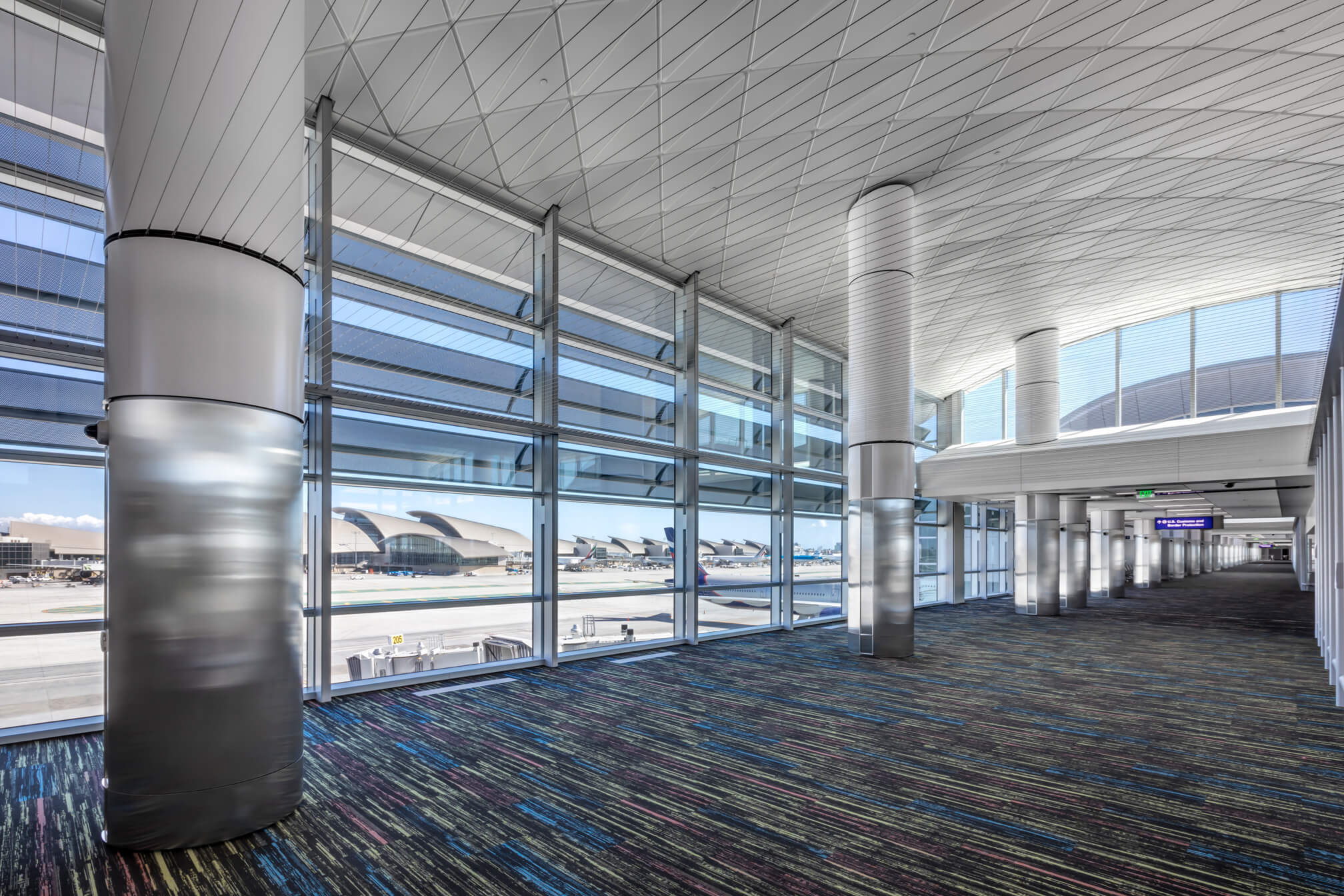
Navigating Hartsfield-Jackson Atlanta International Airport means confronting the busiest aviation hub on Earth. While the competitor URL references a nonexistent "Concourse M" and "Terminal 3," the real layout features a Domestic Terminal, the Maynard H. Jackson Jr. International Terminal, and seven actual concourses labeled T and A through F. Delta Air Lines doesn't operate a phantom terminal three; instead, it anchors its massive global network across every single concourse at ATL, managing tens of millions of connecting passengers yearly through a masterclass in high-efficiency airport design.
Understanding how Delta dominates this mega-hub requires looking past fictitious nomenclature and examining the actual infrastructure. The airline utilizes the entire south side of Concourse T, plus all of Concourses A and B, for high-frequency domestic mainline traffic. Meanwhile, international departures and arrivals flow through Concourses E and F, supported by an underground transit system that moves crowds with clockwork precision. If you want to master layovers, minimize walking times, and navigate Atlanta like an airline insider, you need to understand the mechanical realities of the world's busiest terminal ecosystem.
The Real Layout: Decoding ATL Terminals and Concourses
Hartsfield-Jackson spans an immense footprint, but its linear design keeps operations running. The layout is divided cleanly into a western Domestic Terminal (split into North and South sides) and an eastern International Terminal. Between them sit seven parallel concourses:
- Concourse T: Directly connected to the Domestic Terminal, handling a mix of American, United, and Delta operations.
- Concoursess A and B: Dedicated powerhouses for Delta domestic mainline flights.
- Concourse C: Shared territory, with Delta Connection operating primarily on the north side and Southwest anchoring the south side.
- Concourse D: A high-density mix of Delta, Spirit, and regional operations.
- Concourses E and F: International gateways equipped for widebody aircraft and federal customs processing.
The Plane Train and Transportation Mall
Walking from Concourse T to Concourse F outside of security would take over half an hour. To bridge this gap, Delta passengers rely on two parallel underground arteries.
The first is The Plane Train, an automated subterranean people mover running a continuous loop beneath the concourses. Trains depart every two minutes, ferrying travelers across the entire length of the airport in less than ten minutes. The second option is the Transportation Mall, an underground pedestrian tunnel equipped with continuous moving walkways. If you're looking to burn calories after a long flight, walking the tunnel while watching the colorful art installations is often faster than waiting through peak-hour train rushes.
How Delta Maintains Hub Dominance
Delta’s operational control over Hartsfield-Jackson isn't an accident of geography; it's a carefully engineered fortress hub. By operating a rolling bank schedule—where waves of incoming flights land simultaneously and depart shortly after—Delta maximizes aircraft utilization and passenger connectivity.
Gate Allocation and Quick Turns
Delta positions its aircraft to minimize taxi times and gate conflicts. Mainline domestic flights cluster tightly in Concourses A and B, allowing gate agents, cleaning crews, and baggage handlers to service aircraft rapidly. This tight clustering means a delayed inbound aircraft from Chicago can be turned around quickly to fly out to Orlando without triggering a systemic network collapse.
Baggage and Connection Efficiency
For connecting passengers, Atlanta’s single-baggage-handling system operates seamlessly beneath the concourses. Bags routed through Delta's system rarely leave the airside perimeter, traveling via high-speed subterranean belts directly from an arriving narrow-body jet to an outbound wide-body flight. For more details on official airport standards, consult the Hartsfield-Jackson Official Site.
Common Mistakes Travelers Make at ATL
Even frequent flyers stumble when navigating the scale of Delta's primary fortress. Avoiding these pitfalls saves time and missed connections:
- Assuming all international flights use the International Terminal: Delta operates international arrivals and departures out of both Concourse E and Concourse F. Check your specific gate before heading to the east side of the airport.
- Ignoring the security checkpoint congestion: Domestic Terminal North and South experience massive bottlenecks during early morning bank departures. Smart travelers check real-time line wait times via the Transportation Security Administration before clearing security.
- Confusing terminal sides: Delta ticketing and baggage claim are split strictly between North and South. Entering on the wrong side forces a long walk across the central atrium.
- Rushing for the Plane Train during peak lulls: If you're traveling between adjacent concourses (like A to B), walking up the escalators to the concourse level and using the open corridor is often faster than descending to the train platform.
Step-by-Step Strategy for Tight Layovers
When a weather delay compresses a connection window to 35 minutes, panic won't help. Execute this protocol to make your gate on time:
- Check your digital boarding pass immediately upon landing. Delta's Fly App updates gate changes instantly, often before the overhead audio announcements clear.
- Identify your current concourse vs. your target concourse. If you land on Concourse A and your next flight leaves from Concourse C, you only need to jump two stops on the Plane Train.
- Exit the aircraft and look for the nearest train escalator. Do not stop for food or restroom breaks until you arrive at your departure concourse.
- Monitor the digital signage at the platform. The Plane Train audio announcements can be difficult to hear over terminal noise, but visual displays track arrival times precisely.
- Verify the gate counter. Once you reach your destination concourse, confirm the boarding status directly with the gate agent, as tight connections occasionally trigger automatic seat reassignments if you haven't scanned your digital pass.
Frequently Asked Questions
Does Delta operate out of a terminal called Concourse M or Terminal 3?
No. Hartsfield-Jackson features a Domestic Terminal and an International Terminal, alongside concourses T and A through F. There is no Concourse M or Terminal 3 in Atlanta's official airport vocabulary.
How long does it take to travel between the farthest concourses at ATL?
Riding the Plane Train from Concourse T to Concourse F takes roughly five to seven minutes end-to-end. Factoring in walking to the platform, budget about 15 minutes total.
Can I walk between concourses instead of taking the train?
Yes. The Transportation Mall connects all concourses underground with moving walkways. Walking the entire length takes about 25 to 30 minutes.
Where are the primary Delta Sky Clubs located in Atlanta?
Delta operates multiple lounges across the hub, with major flagships stationed in Concourse A, Concourse B, Concourse E, and Concourse F, offering showers, hot food, and dedicated service desks.



