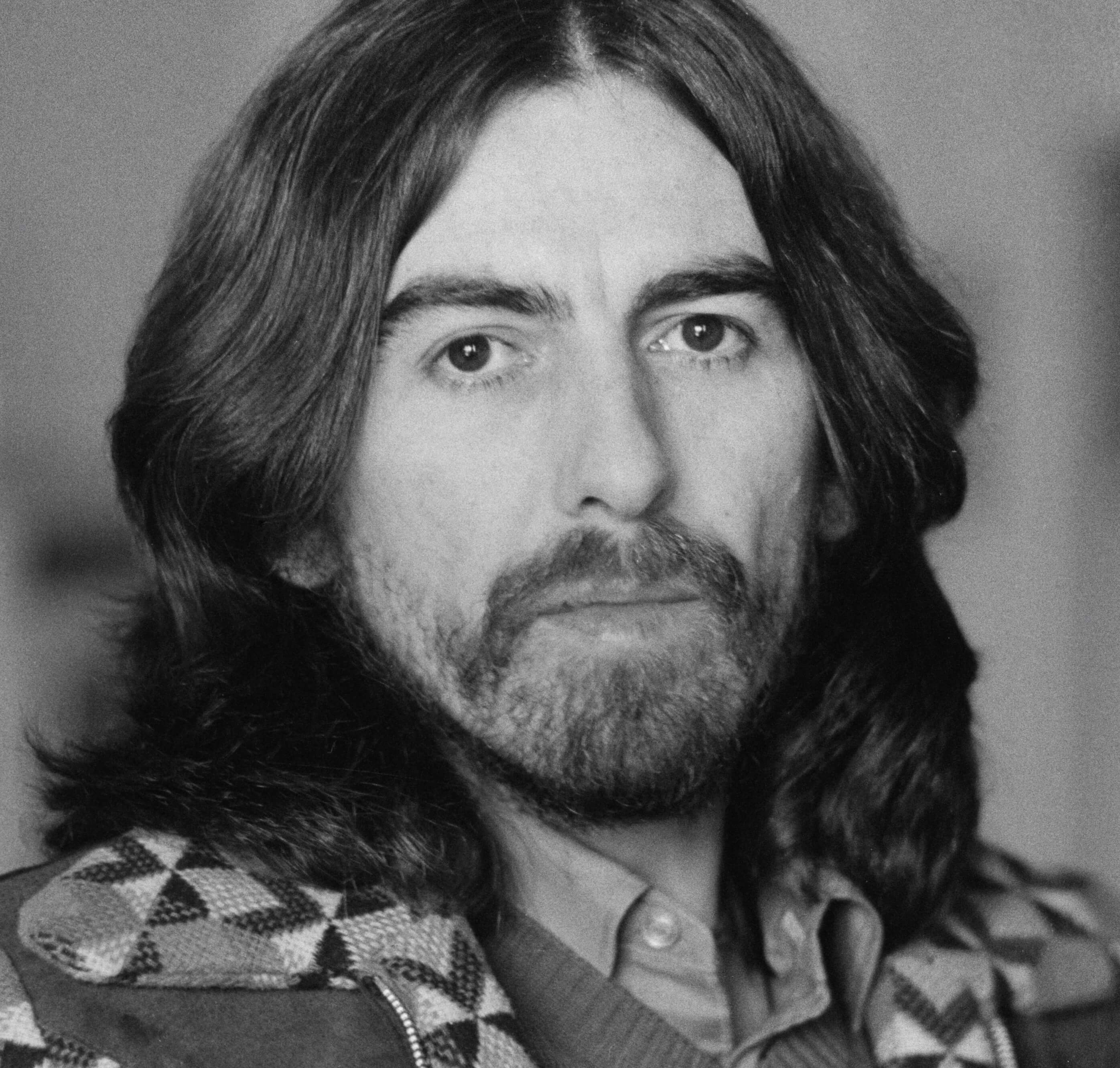
Harrison Ford Green Lantern: The Origin of a Phantom Franchise
Internet culture loves a good fantasy casting choice, but few concepts endure quite like the idea of Harrison Ford stepping into the ring as Hal Jordan. While Ryan Reynolds ultimately anchored the 2011 live-action adaptation, film buffs and comic enthusiasts frequently point to an alternate 1980s timeline where Ford played DC Comics' premier space cop. This persistent fan-cast highlights an interesting intersection between Ford's actual cinematic resume and the archetypal swagger of the Silver Age space pilot.
The primary search intent behind this topic blends pop-culture curiosity with alternate-history film lore. Readers often look for details regarding whether Ford ever actually considered the role, how his classic persona mirrors Hal Jordan, and why the intersection of major action stars and comic book properties creates such lasting internet fascination. To set the record straight: Harrison Ford was never cast in, approached for, or attached to any official Green Lantern project. The 2011 film starred Ryan Reynolds, and Martin Campbell directed it. Yet, examining why this fictional casting resonates so deeply offers a fascinating lens into Hollywood history and star personas.
The Han Solo Blueprint and the Cocky Pilot Archetype
To understand why fans pair Ford with the Emerald Knight, you have to look at the character DNA shared by Han Solo and Hal Jordan. Both figures rely on a specific brand of cynical charm, reckless aviation skill, and authority defiance.
- The Maverick Attitude: Both characters treat strict protocols as mere suggestions, preferring instinct over rigid command structures.
- Reluctant Heroism: Neither starts their journey looking to save the universe; they stumble into cosmic responsibilities out of necessity or stubborn pride.
- Grounded Cynicism: Amid space rings and laser blasters, both men maintain a gritty, blue-collar pragmatism that keeps them grounded.
When Ford played Han Solo in the original Star Wars trilogy, he perfected the archetype of the cynical space captain. Hal Jordan's comic book run during the late 20th century drew heavy inspiration from that exact swagger. Fans didn't just want Ford to play a superhero; they wanted the actor who defined practical, weary space adventure to wield the most powerful weapon in the universe. Additional insights regarding the matter are explored by Associated Press.
Why 1980s Blockbuster Infrastructure Missed DC's Cosmos
During Ford's prime box-office era in the 1980s and 1990s, comic book adaptations looked radically different than they do today. Studios approached superhero films as high-risk gambles rather than guaranteed cinematic universes.
Warner Bros. held the rights to various DC properties for decades, but visual effects technology lagged far behind what a cosmic property like Green Lantern required. While Richard Donner's Superman (1978) proved that grounded realism could work for comic icons, executing a sprawling space opera involving the Guardians of the Universe and construct-based rings was economically unfeasible for practical studios of that decade. Ford was busy building legendary franchises like Indiana Jones and headlining gritty thrillers like Witness and The Fugitive. A cosmic superhero movie simply didn't fit the industry landscape of the era.
The Reality of Ford's Relationship with Franchise Lore
A running joke among movie fans is that Ford possesses a famously ambivalent relationship with the massive geek franchises that made him famous. He famously advocated for Han Solo to die in Return of the Jedi and frequently pokes fun at the scientific accuracy of fictional sci-fi dialogue.
If a studio had actually approached Ford with a Green Lantern script in 1984, his reaction likely would have mirrored his skepticism toward George Lucas's space fantasies. Ford values character grounding, physical grit, and narrative momentum over sprawling lore. Forcing him into a CGI-heavy environment with a glowing green ring would have clashed directly with his preference for tangible, physical action sets. You can explore more about his legendary career trajectory on the Harrison Ford Wikipedia Page.
Frequently Asked Questions
Was Harrison Ford ever considered for the 2011 Green Lantern movie?
No. By 2011, Ford was well past the age bracket required to play a physically active Hal Jordan. Ryan Reynolds secured the role, and the film was developed as a modern CGI-heavy tentpole.
Where did the idea of Harrison Ford as Hal Jordan come from?
It originates entirely from internet fan-casting communities. Because Ford played the definitive cocky space pilot in the late 1970s and 1980s, comic readers naturally mapped his voice and demeanor onto written adventures of Hal Jordan.
What superhero roles has Harrison Ford actually played?
While he avoided comic book movies for most of his career, Ford joined the Marvel Cinematic Universe as Thaddeus "Thunderbolt" Ross, taking over the role starting with Captain America: Brave New World.
Why do fans keep creating alternate-reality casting scenarios?
Alternate casting allows fans to merge peak-era physical action stars with properties that were mistimed or mishandled by Hollywood, creating a mental ideal of what a classic adaptation could have looked like.



