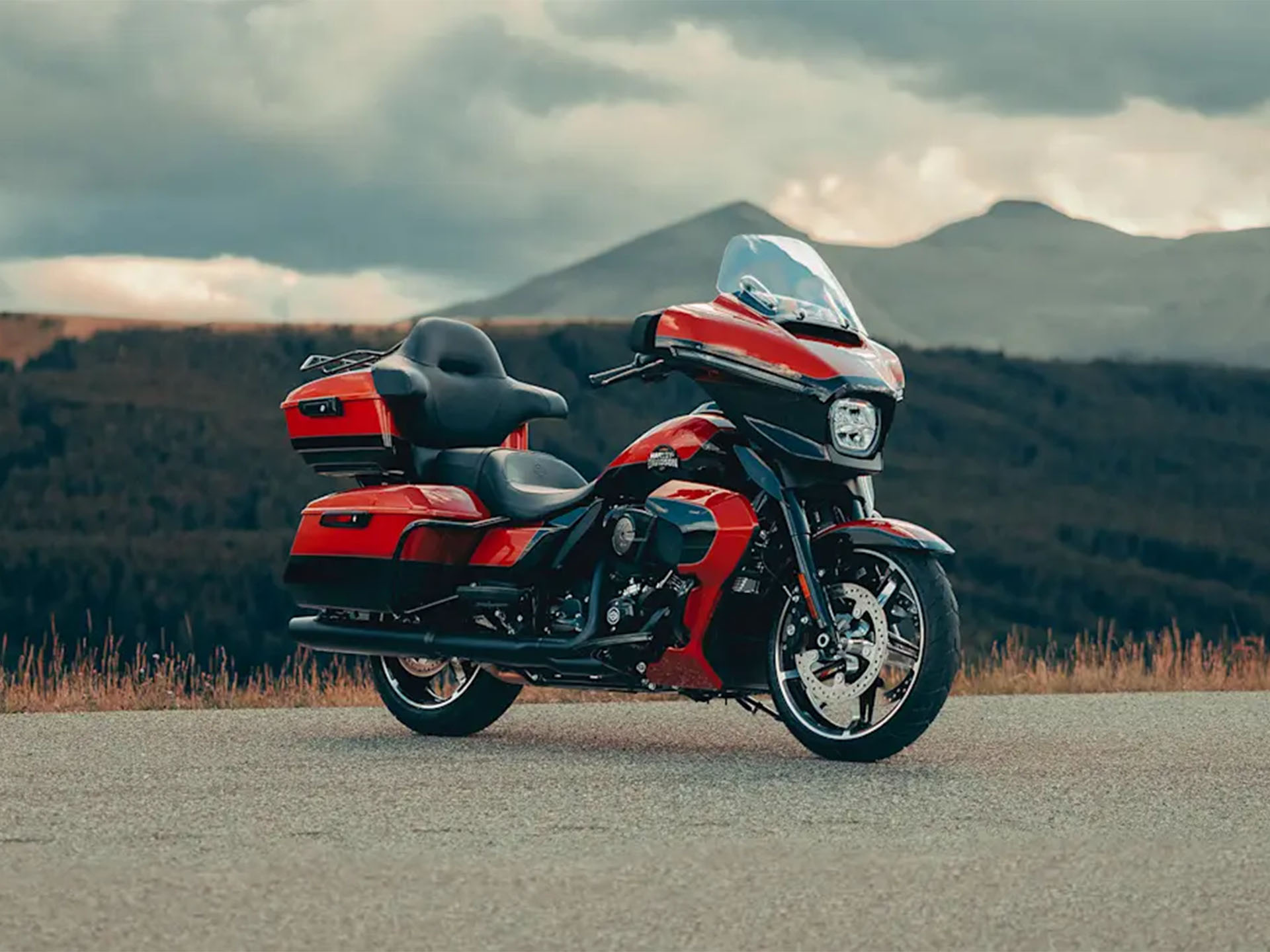
When you're looking at a used cruiser, few names carry the weight or the sheer volume of roadside lore quite like the Harley-Davidson Sportster 1200. Is the Harley Sportster 1200 reliable? The short answer is yes: it's one of the most mechanically dependable motorcycles Harley-Davidson ever built, provided it receives basic, consistent maintenance. The Evolution engine design dates back decades, and its simplicity is its greatest strength.
However, ownership isn't entirely maintenance-free. While the motor can easily cross the 100,000-mile mark with proper care, ancillary components like electrical grounds, base gaskets on rubber-mounted models, and routine belt inspections dictate whether your ownership experience is smooth sailing or a series of frustrating garage nights. Let's break down the real mechanical truth about Sportster 1200 longevity, common failure points, and what living with one actually entails.
The Evolution Engine: A Legacy of Bulletproof Simplicity
The beating heart of the modern classic Sportster line is the Evolution (Evo) V-twin engine, introduced back in 1986. Unlike high-revving modern sportbikes, the Evo 1200 operates at low RPMs, producing torque early and stressing its internal components far less than liquid-cooled multi-cylinder powerplants.
The air-cooled setup means fewer hoses, no water pumps to fail, and zero risk of radiator leaks on a long highway trip. For riders interested in the official specifications and lineage, you can review details directly on the Harley-Davidson Official Website.
Longevity depends heavily on two distinct eras of the Sportster 1200 family:
- Rigid-Mount Models (1988–2003): These bikes bolt the engine directly to the frame. They vibrate intensely at highway speeds, but the mechanical internals are famously over-engineered and robust.
- Rubber-Mount Models (2004–2022): Harley introduced rubber isolation mounts to tame the vibrations. While the ride is vastly more comfortable, these models introduced new maintenance quirks around the primary drive and exhaust alignment.
Common Mechanical Issues and What Fails First
No motorcycle runs forever without attention. If you're shopping for a Sportster 1200 or trying to keep yours running past 50,000 miles, keep an eye on these specific trouble spots that pop up in owner forums and service bays.
Base Gaskets and Oil Weeps
Rubber-mount Sportsters from the mid-2000s are notorious for base gasket weep. Over thousands of heating and cooling cycles, the factory paper gaskets can degrade around the cylinder bases, resulting in a minor oil sheen. It's rarely a catastrophic blowout, but it's messy and requires pulling the top end to fix permanently. If you see dampness around the cylinder fins during a pre-purchase inspection, budget for eventual gasket replacement.
Electrical Gremlins and Voltage Regulators
While mechanical components last for ages, the electrical system on fuel-injected Sportsters (2007 and newer) can occasionally act up. Voltage regulators are known to fail prematurely if exposed to excessive heat or road salt, leading to undercharging or frying the battery. Additionally, corroded ground wires under the seat or near the steering head can cause intermittent no-start conditions that leave riders scratching their heads.
Primary Chain Tensioner Wear
On higher-mileage bikes, the spring-loaded primary chain shoe can wear down. If neglected, the chain can slacken and score the primary housing. Checking and adjusting the primary chain tension at factory service intervals prevents costly internal damage.
Maintenance Realities: What It Takes to Reach 100,000 Miles
Owning a Sportster 1200 means embracing routine wrenching or building a solid relationship with an independent mechanic. The bike forgives neglect less than a modern Japanese standard motorcycle, but it rewards attention generously.
You'll need to stay on top of fluid changes. The engine, transmission, and primary share oil on rigid-mounts or use separate compartments on rubber-mounts, but they all demand fresh fluid every 3,000 to 5,000 miles. Neglecting gear oil changes in the transmission accelerates transmission dog wear, leading to sloppy shifting or popping out of gear.
For a broader look at motorcycle mechanical safety standards and historical recalls, the National Highway Traffic Safety Administration provides a searchable database of past technical service bulletins for specific model years.
Frequently Asked Questions
Can a Harley Sportster 1200 handle long-distance touring?
Yes, but comfort requires modification. While the engine will cruise at highway speeds all day long without breaking a sweat, the stock seat and suspension are designed for city cruising. Upgrading to aftermarket rear shocks and a touring seat transforms the bike into a capable cross-country cruiser.
Are carbureted or fuel-injected Sportster 1200 models more reliable?
Carbureted models (pre-2007) have fewer electronic failure points and are trivial to troubleshoot on the side of the road. Fuel-injected models (2007+) offer effortless cold starts, better fuel economy, and smooth throttle response, but rely on sensors and a computer module that can fail over time.
How many miles can a Sportster 1200 engine last before a rebuild?
With regular oil changes and sensible riding, the bottom end easily lasts well past 100,000 miles. Top-end rebuilds involving piston rings or valve guides might be necessary around 70,000 to 80,000 miles depending on how hard the bike was ridden.
Is the Sportster 1200 a good choice for a beginner?
Its reliability and mechanical simplicity make it tempting, but the 1200cc motor packs considerable low-end torque and the bike weighs over 500 pounds. It's manageable for mature beginners who respect the throttle, but smaller displacement bikes are generally easier to learn on.



