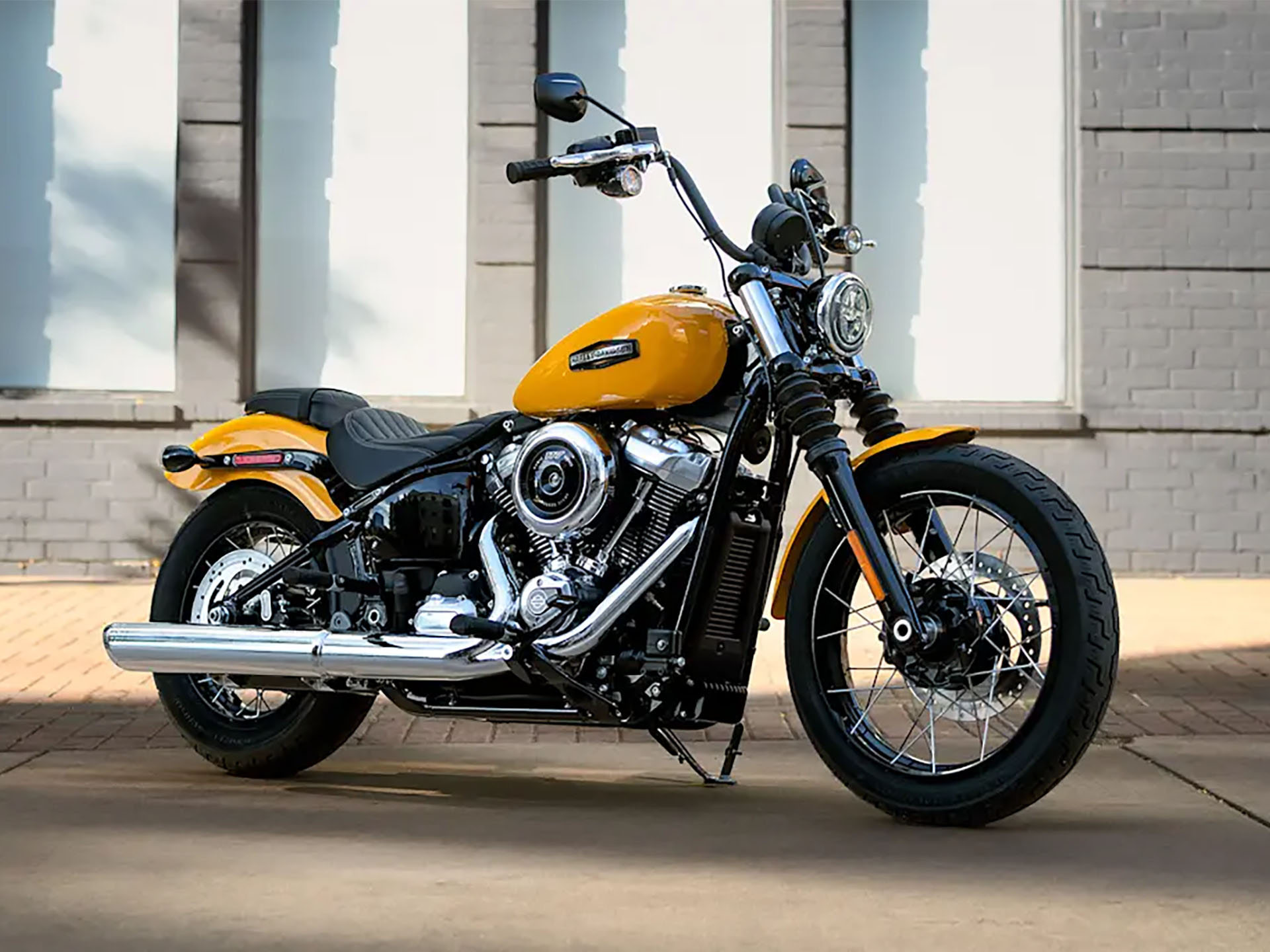
Adding a fairing to a Harley-Davidson Dyna transforms how the machine handles highway miles, replacing chest-pounding wind pressure with clean, deflected airflow. Without wind management, riding at highway speeds forces you to fight constant fatigue as turbulent air strains your arms and snaps against your helmet. Installing a fairing alters the aerodynamics completely, making a naked V-twin comfortable for long trips while sharpening its visual profile.
Choosing the right setup means balancing personal aesthetics with functional wind diversion. Whether you're building an aggressive club-style machine with a quarter fairing or setting up a lightweight shield for daily commuting, understanding fitment, hardware clearances, and aerodynamic principles ensures your investment improves both comfort and handling.
Aerodynamics and Wind Management
At highway speeds, wind resistance becomes the primary force working against you. Without a fairing, your torso acts as a parachute, which leads to muscle strain and early exhaustion. A well-designed fairing splits oncoming air, routing it smoothly around your shoulders and helmet rather than letting it crash directly into your chest.
However, poor wind management introduces a worse problem: helmet buffeting. Buffeting happens when a windshield cuts off airflow too abruptly, creating a low-pressure pocket that shakes your helmet violently. To fix this, high-end windshield designs incorporate a recurve or top "flip" that forces air higher into the slipstream. To explore the bigger picture, check out the recent article by The New York Times.
- Quarter Fairings: These compact units offer minimal frontal area, taking the direct pressure off your chest while leaving clean air hitting your upper helmet. They preserve the nimble handling of the front end because they add very little weight.
- T-Sport and FXRP Style Fairings: Providing substantial coverage, these larger units shield your hands, torso, and face. They create a massive calm pocket behind the dash, drastically reducing road noise and fatigue on multi-hour rides.
Popular Fairing Styles for the Dyna Platform
The Dyna frame accommodates several distinct fairing categories, each changing the stance and capability of the motorcycle.
Quarter Fairings
Popularized by the "club style" movement, quarter fairings like the Memphis Shades Road Warrior mount directly to the front forks using trigger-lock hardware. They offer an aggressive, minimalist look that complements the raw attitude of a Super Glide or Street Bob. Installation takes minutes, and you can strip the fairing off entirely when you want a completely naked front end for city riding.
FXRP and T-Sport Replica Fairings
For riders chasing true touring capability without jumping onto a heavy bagger, frame-mounted or fork-mounted FXRP-style fairings are the gold standard. These units feature lower extensions and deep inner dashboards that block wind from your lower body while providing mounting space for small storage pouches or auxiliary electronics. They transform a Dyna into a capable middleweight cross-country cruiser.
Fitment Realities and Installation Pitfalls
Installing a fairing isn't always a simple bolt-on procedure. Several mechanical variables dictate whether a kit will mount cleanly or require custom fabrication.
- Headlight Clearance: Most aftermarket fairings require a specific headlight size, typically 5.75 inches or 7 inches. Because factory headlight bucket depths vary across Dyna production years (1991–2017), you often need a headlight extension block to push the light forward so it sits flush within the fairing cutout.
- Handlebar Interference: If you run tall T-bars or high pullback risers, check your clearance carefully. Full-coverage fairings can collide with the master cylinders, switch housings, or the bars themselves during full-lock turns.
- Fork Tube Diameters: Dyna models transitioned over the years. Early models often used 39mm forks, while later iterations (and Wide Glides) use 49mm front ends. Double-check your clamp sizes before ordering mounting brackets.
Always perform a complete "dry fit" of the brackets, shell, and windshield before sending any painted parts to a body shop. Tightening down hardware on raw gelcoat lets you verify clearances without risking a fresh, expensive paint job.
Handling Changes and Weight Distribution
Adding a fairing shifts the motorcycle's center of gravity slightly upward and forward. While fork-mounted quarter fairings have a negligible impact on steering weight, larger frame-mounted or frame-tied touring fairings introduce more surface area for crosswinds to catch.
In heavy crosswinds, a large fairing acts like a sail, pushing against the front end. Riders transitioning from a naked front end to a massive touring fairing should expect a brief adjustment period at highway speeds, particularly when passing semi-trucks that disrupt steady airflow. Upgrading your front fork springs or damping cartridges can offset this added top-heavy feel, keeping your front tire planted and stable.
Frequently Asked Questions
Will a Dyna fairing completely eliminate wind noise?
No fairing removes wind noise entirely, because clean air rushing past your helmet still generates sound. However, a properly matched windshield height eliminates turbulent buffeting, which is the primary source of loud, concussive wind roar. Pairing your fairing with high-definition earplugs yields the best long-term hearing protection.
Can I remove a club-style fairing easily for cleaning?
Yes. Quality aftermarket systems utilize toolless trigger-lock anchor kits. Pulling a pair of spring-loaded latches allows you to pop the entire fairing assembly off the fork tubes in seconds, making bike washes and maintenance straightforward.
Do I need to relocate my turn signals when installing a fairing?
It depends on your specific model and fairing choice. Many quarter fairings clear factory indicator lights, but certain models or tighter club-style setups require moving the front turn signals from the triple trees down to the lower forks or handlebar controls to prevent interference.
How do I choose the correct windshield height?
Sit on your bike in your normal riding posture. Have a helper measure the vertical distance from the top of the fairing mounting surface up to the tip of your nose or chin. This ensures you look over the top edge of the windshield rather than directly through it, which prevents distortion during rain or night riding.



