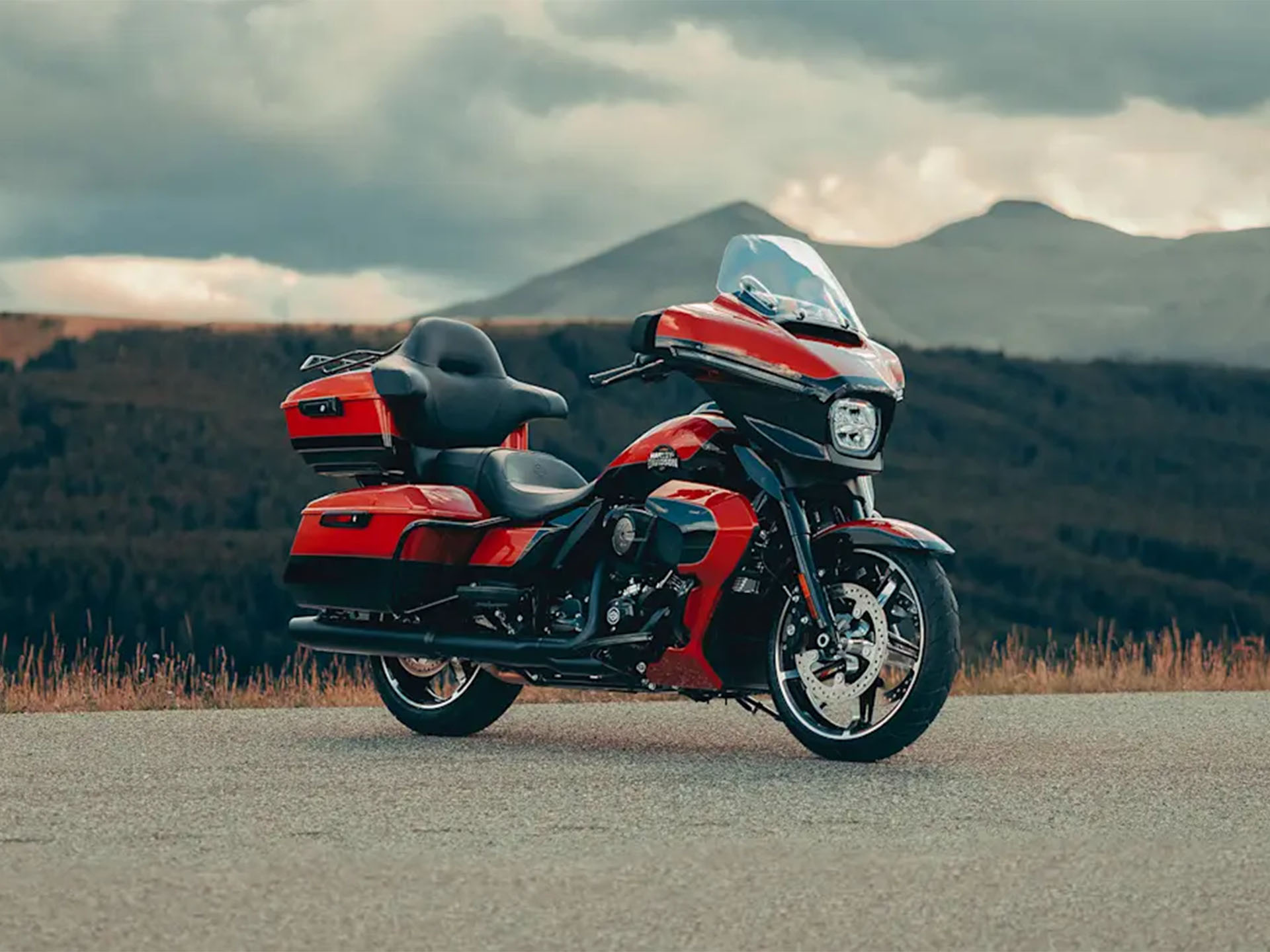
The Harley-Davidson Sportster 1200 tops out between 110 and 120 miles per hour under stock conditions, depending on rider weight, wind resistance, and gearing. While modern sport bikes easily double that velocity, the Sportster's appeal isn't raw track speed. It's built around low-end grunt, mid-range torque, and decades of unmistakable air-cooled V-twin character.
If you're looking at buying one or trying to squeeze extra power out of your Evolution engine, you need realistic performance benchmarks. Let's break down what this machine actually delivers on the asphalt, where its limits lie, and how it compares to modern expectations.
The Evolution Engine: Heart of the Sportster
At the center of the 1200 platform sits the legendary air-cooled Evolution engine. Introduced decades ago, this 1,200cc, 45-degree V-twin prioritizes mechanical simplicity and long-term durability over high-rpm horsepower.
- Displacement: Approximately 1,200cc (73.2 cubic inches) with a 3.5-inch bore and 3.8-inch stroke.
- Factory Output: Roughly 67 to 70 horsepower at around 6,000 RPM, paired with 73 to 77 lb-ft of torque peaking much lower, usually near 3,500 to 4,000 RPM.
- Cooling Limitations: Unlike liquid-cooled cruisers, the Evolution relies entirely on ambient air and oil circulation. Sustained high-speed runs generate intense heat, causing thermal expansion that can reduce efficiency and trigger engine lugging if pushed too hard for too long.
This engine setup means you get instant throttle response off the line, but it runs out of breath quickly once you climb past 5,000 RPM. Similar insight on the subject has been shared by BBC.
Real-World Speed and Acceleration Numbers
Factory spec sheets tell one story, but real riders on real pavement experience another. Here's how the numbers stack up for a stock, well-maintained Sportster 1200:
- Top Speed: 110 to 120 mph (177 to 193 km/h). Reaching 120 mph requires a flat stretch, no headwind, and a rider tucked low against the bars to cut through aerodynamic drag.
- 0-60 MPH Acceleration: 4.5 to 5.5 seconds. The substantial mid-range torque punches hard right off the green light, giving you a quick launch.
- Quarter Mile: Typically completed in roughly 13.5 to 14.2 seconds at around 95-98 mph.
For a heavyweight cruiser weighing between 550 and 600 pounds wet, these figures are respectable. However, tall factory gearing and heavy flywheels mean acceleration drops off significantly past 80 mph.
Chassis Dynamics, Weight, and Aerodynamics
Performance isn't just about horsepower. It's about how well the chassis manages the power and how the rider interacts with the wind.
The double-cradle steel frame is sturdy, but it adds substantial mass. That weight helps plant the bike during steady highway cruising, but it dampens agile handling in tight canyon corners. Ground clearance can also become an issue if you lean too aggressively into sharp turns, as the pegs and exhaust shields scrape early.
Aerodynamics present the biggest barrier to high-speed stability. The upright riding position creates a literal parachute effect. Once you cross 85 mph on the highway, wind buffeting pushes hard against your chest and helmet, requiring real upper-body strength to hold your line during long trips.
Common Modifications to Boost Performance
If stock numbers leave you wanting more, the aftermarket support for the Sportster 1200 is massive. Riders frequently modify these bikes to unlock hidden horsepower:
- Stage 1 Upgrade: Swapping the restrictive stock air cleaner, adding a freer-flowing exhaust system, and installing a fuel tuner (like a Dynojet Power Vision) instantly adds 5 to 10 horsepower and smooths out throttle dips.
- Camshaft Upgrades: Installing torque-heavy aftermarket cams alters valve timing to pull harder through the mid-range.
- Suspension Tuning: Upgrading the rear shocks and front fork damping improves high-speed cornering stability far more effectively than chasing raw engine horsepower.
Frequently Asked Questions
Can a Sportster 1200 comfortably maintain 80 mph on the highway?
Yes. While top-end speeds peak near 120 mph, the bike cruises effortlessly at 75 to 80 mph. The tall final-drive gearing keeps highway cruising RPMs in a comfortable range, though wind fatigue is your main limiting factor without a windshield.
How does the Sportster 1200 compare to the newer Sportster S?
They are completely different motorcycles. The classic 1200 uses an air-cooled Evo motor with around 67 horsepower, whereas the newer Harley-Davidson Sportster S features the liquid-cooled Revolution Max 121T engine pushing a staggering 121 horsepower with modern electronics and adjustable rider modes.
Is the Sportster 1200 a good beginner motorcycle?
Its low seat height and approachable low-end torque make it appealing, but the heavy 550+ pound curb weight and snappy throttle can surprise inexperienced riders. It's generally recommended for riders who already have basic street experience.
Why does my Sportster feel sluggish at high RPMs?
Air-cooled V-twins are engineered for low and mid-range torque, not high-rpm screaming. Designing the engine for broad cruising power means the volumetric efficiency drops sharply past 5,000 RPM, which is normal for this power plant.



