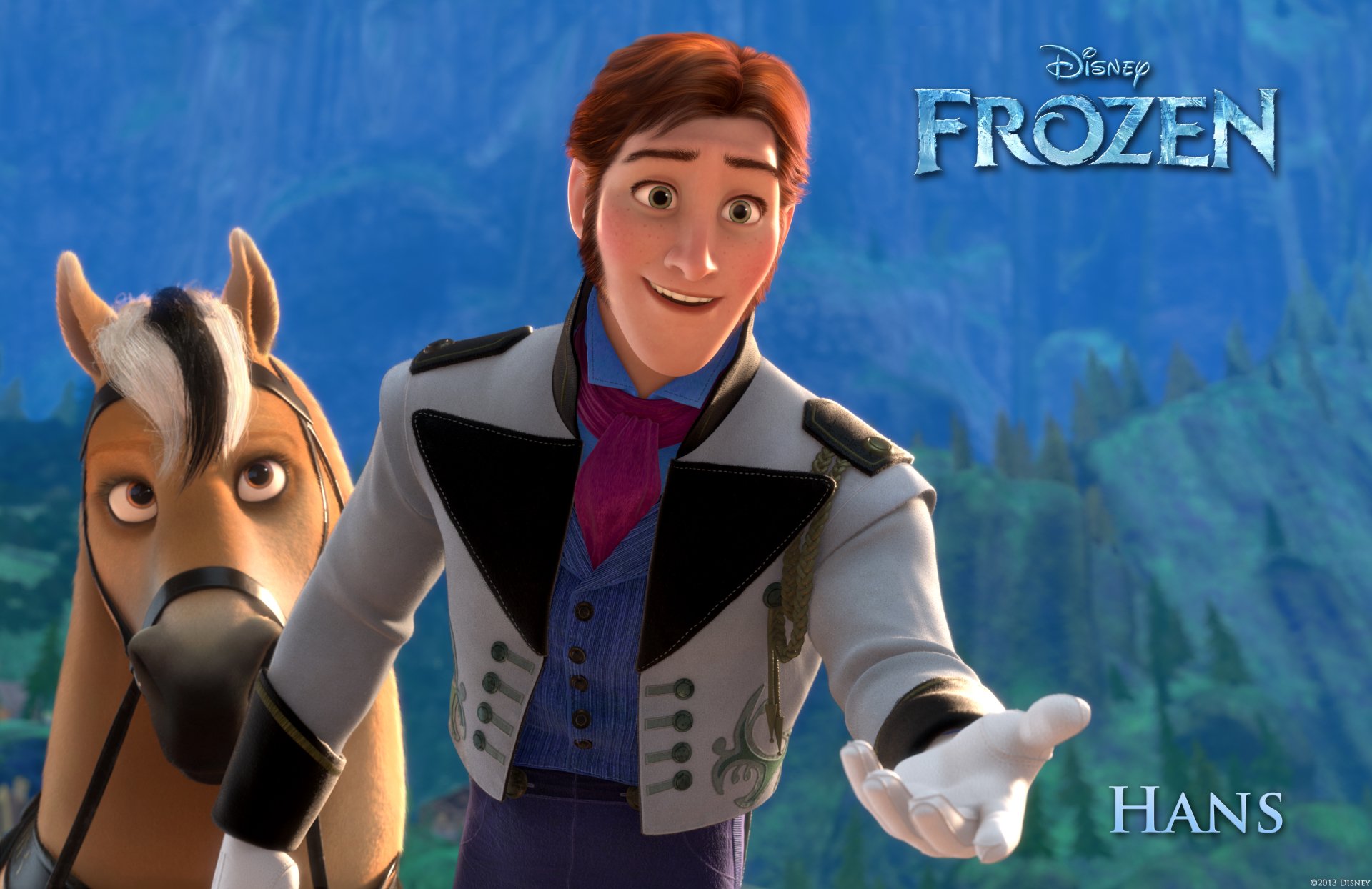
When Disney released Frozen in 2013, audiences expected a traditional fairy tale about magical ice and sisterly survival. Instead, the film delivered a sharp psychological deconstruction of the classic prince charming trope through Prince Hans of the Southern Isles. Hans represents a textbook study in manipulative charm and weaponized vulnerability, exposing how toxic social scripts operate behind a polished royal facade.
Far from being a simple cartoon villain, Hans embodies a calculated form of ambition. He arrives in Arendelle equipped with a deep understanding of emotional exploitation, targeting characters who feel isolated and overlooked. Understanding his role requires looking past his pleasant exterior to examine the mechanics of his deception, the cultural scripts he exploits, and the psychological impact of his calculated betrayal.
The Performance of Chivalry and Manufactured Empathy
Hans doesn't force his way into Arendelle; he performs his way in. When he accidentally bumps into Anna, his immediate concern and perfectly timed awkwardness disarm her instantly. He matches her energy, validates her long-standing isolation, and mirrors her eccentricities with practiced precision.
This behavior relies on a performance of gender expectations that society trains people to trust. Because Hans looks the part, speaks with polished cadence, and displays polite manners, his intentions go unquestioned. He weaponizes the cultural script of the chivalrous protector, positioning himself as an antidote to Anna's loneliness while systematically building a foundation for control.
- Strategic Mirroring: He adopts Anna's likes, insecurities, and dreams to manufacture an instant sense of destiny.
- Manufactured Vulnerability: By sharing fabricated details about being the thirteenth son of a royal family, he invites misplaced sympathy.
- Rapid Escalation: He fast-tracks the relationship timeline, preventing critical thinking or emotional pacing.
Exploiting Vulnerability and the Power Vacuum
The psychological trap tightens when King Agnarr and Queen Iduna pass away. The sudden vacuum of power and emotional distress in Arendelle creates optimal conditions for a predator. While Elsa struggles with the public exposure of her powers, Hans shifts his attention entirely toward securing influence.
He steps into the void not out of civic duty, but as a calculated maneuver to capture a crown. By isolating Anna emotionally and physically once their rushed engagement is sealed, he demonstrates the classic tactics of an abuser seeking total control. He takes advantage of a kingdom in panic to execute a premeditated hostile takeover of the throne.
"The minute your kingdom's trouble starts, you're the first to run." – Kristoff
Kristoff's stark confrontation highlights the truth about Hans's character. He isn't a romantic partner or an accidental casualty of circumstance; he's an opportunist measuring everyone around him as a stepping stone.
Deconstructing the Prince Charming Archetype
For decades, animated features relied on the trope of the handsome prince who arrives to save the day, anchoring a happy ending. Frozen subverts this entire tradition by unmasking the prince as the primary antagonist. This narrative choice serves as a modern cautionary tale about surface-level charm.
Hans teaches viewers that danger often wears a friendly smile and speaks the language of validation. By contrasting his cold ambition with Kristoff's gruff, authentic loyalty, the film draws a sharp line between performative romance and genuine care. Hans doesn't care about Anna's well-being or Arendelle's survival; he cares exclusively about social elevation and dominion.
Frequently Asked Questions
What makes Hans a representation of toxic masculinity?
Hans weaponizes traditional markers of masculinity—such as apparent confidence, protection, and leadership—as tools for manipulation and domination. He views relationships as zero-sum games where he must conquer or control to succeed.
Why was Hans's villain reveal kept secret until late in the film?
Directors deliberately masked Hans's intentions to mirror Anna's emotional deception, allowing the audience to experience the shock of betrayal alongside the protagonist. This narrative technique emphasizes how easily charismatic manipulators blend into normal social environments.
How does Hans contrast with Kristoff?
While Hans offers rehearsed platitudes, polished etiquette, and conditional affection tied to status, Kristoff offers blunt honesty, consistent practical support, and unconditional respect for Anna's autonomy.
What lesson does the character of Hans provide for modern viewers?
Hans serves as a reminder that intense, fast-tracked charm and total agreement with every personal insecurity can be red flags for hidden agendas. Healthy relationships prioritize mutual respect and emotional pacing over dramatic, cinematic declarations of instant destiny.



