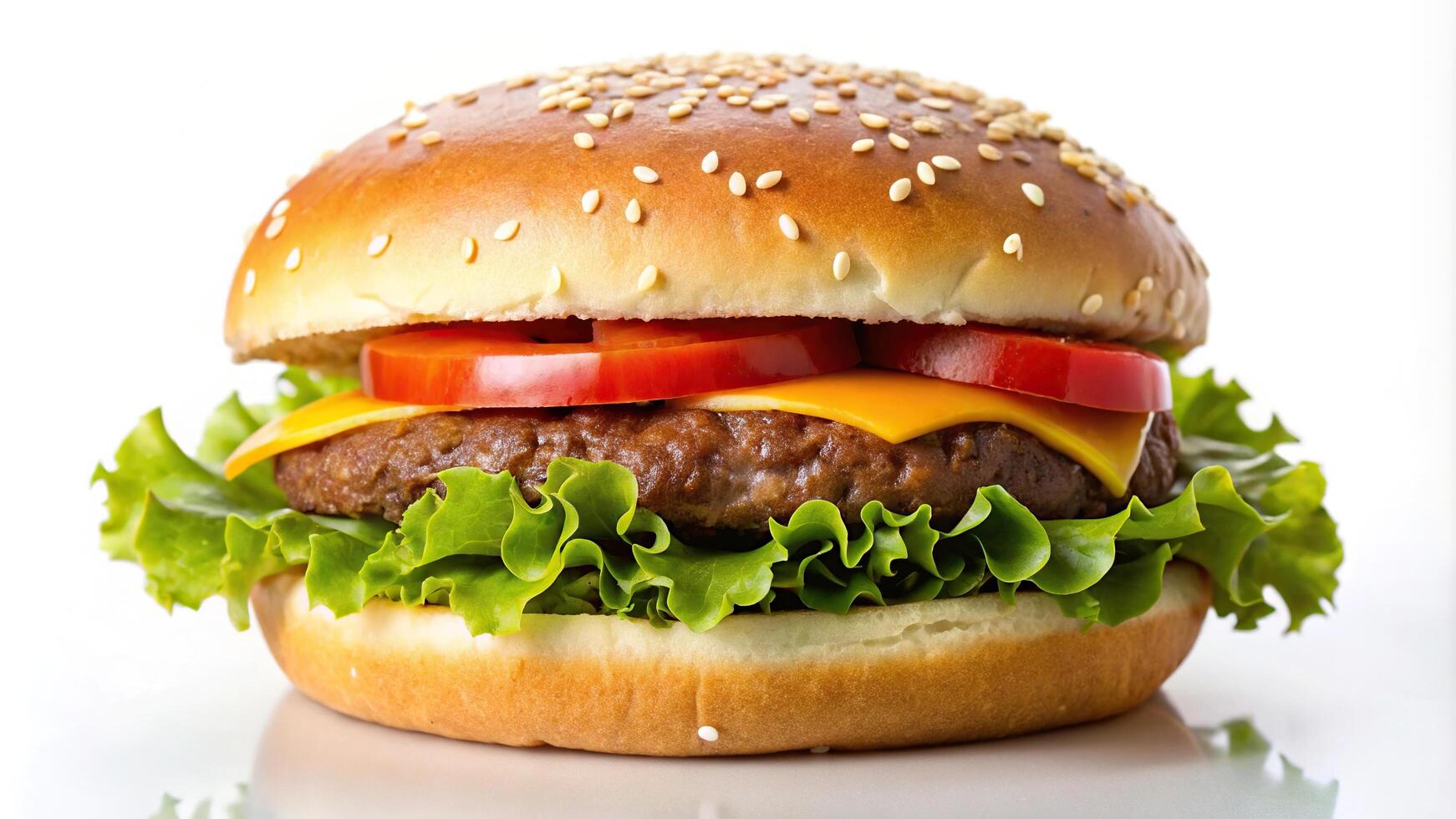
When you bite into a classic burger, you're tasting decades of fast food evolution, but you're also taking in a heavy load of energy. Understanding hamburger calories with bun helps you navigate your daily intake without giving up your favorite foods. A standard fast-food hamburger with a basic beef patty and a white sesame bun typically ranges from 250 to 400 calories on its own. However, once you add cheese, condiments, bacon, and sides, that number climbs past 1,000 calories in a single sitting.
The modern burger culture prioritizes size, convenience, and rich flavor profiles. According to data tracked by the U.S. Department of Agriculture, a single plain ground beef patty contains roughly 200 to 300 calories depending on its fat percentage. Pairing that patty with standard commercial bread adds another 120 to 180 calories. While this provides a quick source of energy and protein, it also packs a significant punch of refined carbohydrates and sodium that requires careful consideration if you're tracking your daily macros.
Nutritional Breakdown of a Standard Burger
To see where the energy comes from, it helps to examine the individual components of a standard cheeseburger. A typical build includes a beef patty, a slice of cheese, a standard bun, lettuce, tomato, pickles, and ketchup or mayonnaise.
- Calories: 500 to 700 calories for a standard single cheeseburger, scaling past 1,000 for double patties.
- Carbohydrates: 40 to 50 grams, driven primarily by the refined flour in the bun and sugars in condiments.
- Protein: 25 to 35 grams, coming mainly from the beef patty and cheese.
- Total Fat: 25 to 40 grams, with a high proportion of saturated fats from beef and dairy.
- Sodium: 800 to 1,200 milligrams, largely absorbed from the bun, processed cheese, and sauces.
Hidden Factors Driving Up the Calorie Count
The bun and the meat form the baseline, but toppings and side dishes push the total numbers much higher. Recognizing these hidden sources lets you adjust your meal without sacrificing taste.
Cheese and Bacon Add-ons
A single slice of American or cheddar cheese adds about 100 to 115 calories and roughly 9 grams of fat. If you pile on two slices of crispy bacon, you add another 120 calories and 10 grams of fat. These additions quickly transform a moderate meal into a heavy calorie surplus.
Heavy Condiments and Sauces
Mayonnaise, special burger sauces, and heavy dressings pack substantial energy density into small volumes. Just one tablespoon of mayonnaise contributes nearly 90 calories. Ketchup and barbecue sauces add hidden sugars, contributing extra carbohydrates that catch many diners off guard.
Side Pairings
Burgers rarely travel alone. A standard order of medium french fries adds 350 to 400 calories and significant sodium. Pairing your meal with a sugary soda adds another 150 to 200 liquid calories, pushing the entire dining experience well beyond standard nutritional guidelines for a single meal.
Health Implications of Regular Fast-Food Consumption
Consistently consuming high-calorie, high-sodium meals impacts long-term metabolic health. According to guidelines from the World Health Organization, diets heavy in ultra-processed foods and saturated fats correlate with increased risks of hypertension, cardiovascular strain, and weight gain.
Refined carbohydrates found in standard white burger buns digest rapidly, leading to sharp spikes and subsequent drops in blood sugar. This fluctuation often leaves you feeling hungry again shortly after eating, which can trigger overeating later in the day. Balancing your intake involves recognizing these physiological responses and making intentional adjustments to your meal structure.
Smarter Ways to Enjoy Burgers
You don't have to eliminate burgers from your diet to maintain a healthy lifestyle. Small modifications can significantly reduce the caloric impact while preserving the core experience.
- Swap the Bun: Try lettuce-wrapped burgers or whole-grain bun alternatives that offer higher fiber content to slow down digestion.
- Modify Condiments: Ask for mustard instead of mayonnaise, or request sauces on the side so you control the exact portion.
- Choose Leaner Proteins: Opt for turkey patties, grilled chicken breasts, or plant-based protein options that lower saturated fat content.
- Mind the Portions: Stick to single-patty options instead of double or triple stacks, and skip the deep-fried sides in favor of a side salad.
For guidance on balanced diets and daily nutritional requirements, you can review resources provided by the Dietary Guidelines for Americans.
Frequently Asked Questions
How many calories are in a plain hamburger with a bun?
A basic hamburger consisting of a single beef patty and a standard white bun typically ranges from 300 to 450 calories, depending on the exact weight of the beef and the size of the bread.
Are plant-based burger buns lower in calories?
Most standard plant-based burger patties have a calorie count similar to beef, ranging from 240 to 290 calories. The buns used for plant-based burgers are usually identical to traditional buns, meaning the total calorie count remains comparable unless you choose specific dietary bread alternatives.
How can I reduce the sodium in a homemade burger?
You can dramatically cut sodium by forming your own patties from fresh, unseasoned ground meat, using low-sodium seasonings, skipping processed cheese slices, and baking your own whole-grain buns without added preservatives.
Does toasting the bun change the calorie count?
Toasting or buttering the bun adds extra fats and calories if butter or oil is applied to the surface during the grilling process. Dry-toasting changes only the texture and moisture content without altering the base calorie count.



