Haiti faces a complex intersection of institutional instability, gang-driven territorial conflict, and renewed international interventions aimed at restoring public order. The Provisional Electoral Council has officially scheduled the country's long-delayed general elections, setting the first round for July 18, 2027, and a second round for October 4. These dates mark a crucial step toward rebuilding governance structures that have remained vacant since the 2021 assassination of President Jovenel Moïse. However, translating these electoral roadmaps into reality requires navigating severe logistical hurdles, widespread displacement, and ongoing armed violence across Port-au-Prince and surrounding regions.
Understanding the current situation means looking past daily headlines to examine how security operations, international support, and humanitarian efforts interact on the ground. Millions of residents continue to experience acute shortages of basic services while international forces attempt to dismantle entrenched criminal networks that control significant portions of urban infrastructure.
The Political Landscape and Upcoming Elections
For more than a decade, Haiti has operated without a fully elected national leadership. Following the expiration of the Transitional Presidential Council's mandate, executive powers shifted to the Council of Ministers under Prime Minister Alix Didier Fils-Aimé. This interim administration carries the immense responsibility of preparing the nation for democratic voting while managing an active security crisis.
The newly announced 2027 election timeline gives political parties, civil society organizations, and international monitors a specific framework for preparation. Yet, credible elections demand secure polling stations, functional voter registration systems, and guaranteed protection for candidates and voters. In areas where armed gangs restrict freedom of movement, establishing these baseline democratic conditions remains a formidable challenge.
Security Operations and International Interventions
The security architecture in Haiti has shifted significantly with the deployment of specialized international forces. Following years of expanding gang control, a UN-backed Gang Suppression Force alongside specialized international personnel—including deployments from El Salvador—has established forward operating bases and begun targeted operations against gang infrastructure.
These military and police actions target key logistics hubs, weapons caches, and financial networks used by criminal syndicates. While international support is vital for reclaiming territory, experts from bodies like the United Nations Office on Drugs and Crime emphasize that security gains must be paired with functional judicial systems, anti-corruption investigations, and prison reforms. Without functioning courts and local governance, short-term tactical victories risk unraveling as soon as patrols move to new areas.
Humanitarian Impact and Displacement
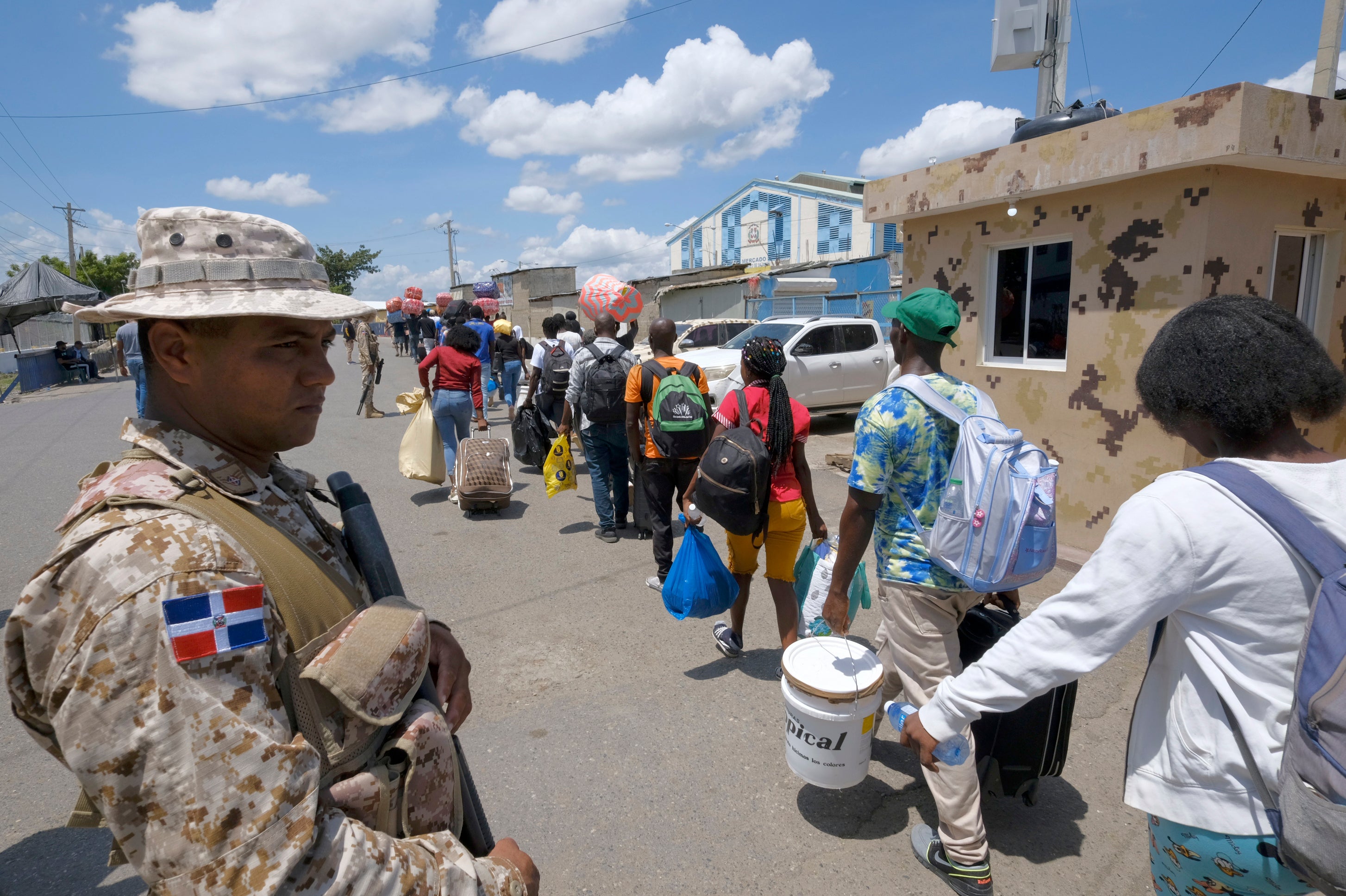
Behind the political updates lies a severe humanitarian emergency affecting millions of residents. According to international relief assessments, over six million people require immediate humanitarian assistance. Armed conflict and generalized insecurity have forced nearly 1.5 million people to flee their homes, with children making up a large percentage of the displaced population.
Essential services such as schools, hospitals, and commercial transport routes face frequent disruptions due to gang activity and localized violence. Humanitarian agencies warn that funding shortfalls hamper aid distribution just as needs continue to escalate. Addressing these vulnerabilities requires sustained international funding alongside local grassroots initiatives designed to protect displaced families.
Regional and Global Repercussions
The crisis inside Haiti carries significant regional dimensions, affecting neighboring Caribbean nations, migration patterns, and international diplomacy. Illicit trafficking networks exploit institutional weaknesses to move firearms, contraband, and drugs across maritime borders. Consequently, foreign policy decisions in Washington, regional bodies, and the United Nations heavily influence domestic stability and economic recovery efforts.
As commercial aviation slowly normalizes with carriers like American Airlines resuming daily flights to Port-au-Prince, travel and economic ties are cautiously re-establishing. However, broader economic recovery depends heavily on whether the upcoming electoral process remains on track and whether security forces can permanently secure vital commercial corridors.
Frequently Asked Questions
When are the next elections scheduled in Haiti?
The Provisional Electoral Council scheduled the first round of general elections for July 18, 2027, with a runoff scheduled for October 4. These dates depend heavily on measurable improvements in national security.
Who is currently leading the government in Haiti?
Executive powers are managed by the Council of Ministers under Prime Minister Alix Didier Fils-Aimé following the conclusion of the Transitional Presidential Council's interim mandate.
What is the role of international security forces in Haiti?
International security forces, including specialized units and UN-backed operations, assist the Haitian National Police in dismantling gang infrastructure, securing critical infrastructure, and establishing safe zones to facilitate governance and humanitarian aid.
How many people are displaced by violence in Haiti?
Reports from the United Nations indicate that nearly 1.5 million people have been forced to flee their homes due to armed violence, with children representing approximately half of those displaced.



