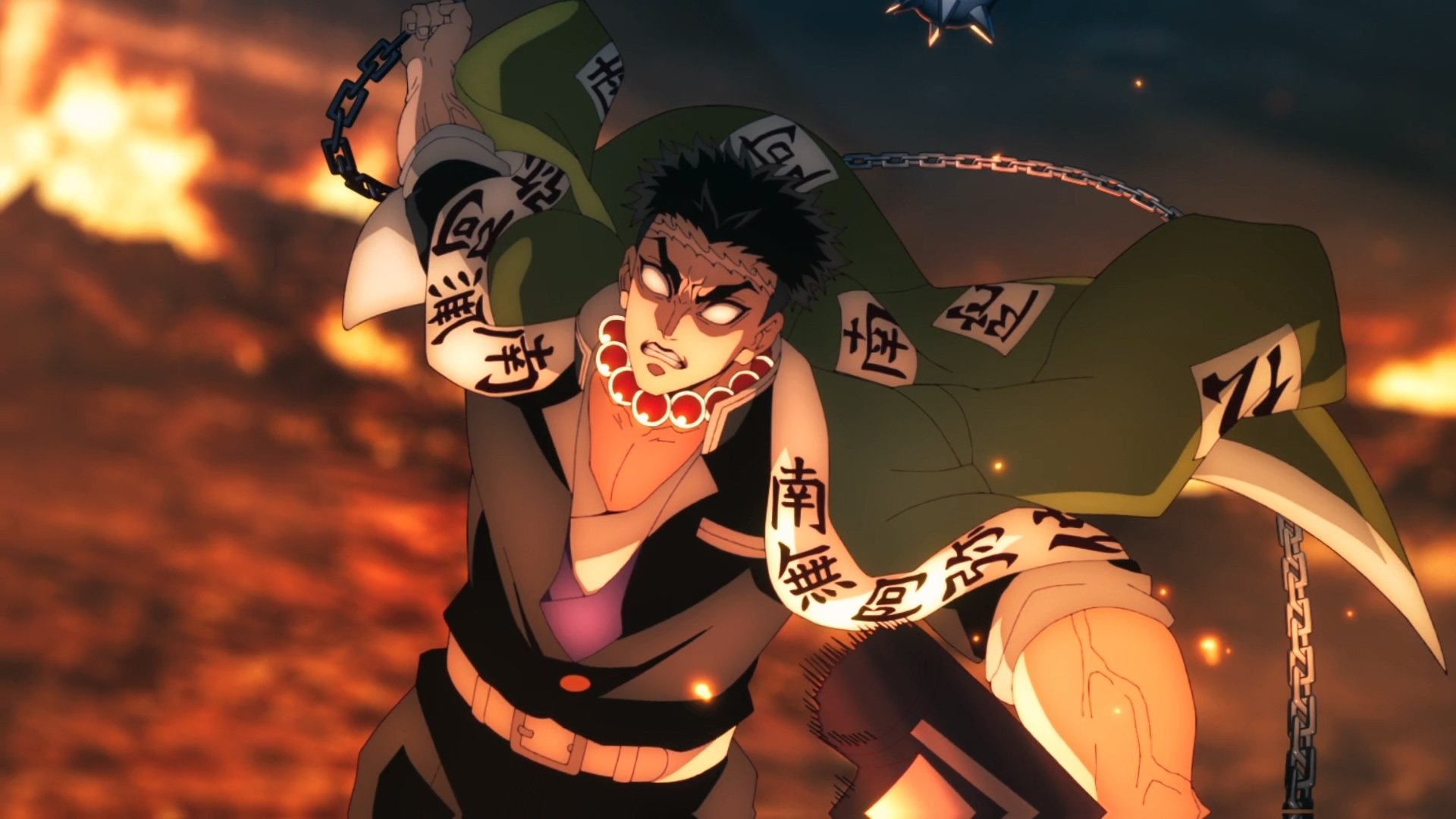
Gyomei stands at the crossroads of Japanese folklore and dark fantasy as an archetype of corrupted honor and inner duality. Rather than a singular historical figure or a standard pop-culture invention, the concept of Gyomei as a demon reflects centuries of storytelling traditions surrounding fallen warriors, samurai ethics, and the psychological weight of vengeance.
In regional legends and modern adaptations alike, this entity captures the tension between strict discipline and supernatural corruption. Understanding this figure requires looking past surface-level monster tropes to examine the cultural mechanisms that turn human tragedy into enduring myth.
The Mythological Roots of the Fallen Samurai
The framework of a warrior twisted by dark forces draws heavily from Japan's feudal history and the rigid constraints of the bushido code. When a samurai failed in their duty or suffered unbearable betrayal, traditional narratives didn't just allow for disgrace—they imagined a supernatural descent.
Folklorists trace these motifs to Edo-period ghost stories and local legends where disgraced fighters retreated into remote forests or mountain passes. Over generations, oral histories exaggerated these figures into spectral entities. Gyomei fits squarely into this tradition, representing the classic archetype of a protector whose oath was broken by external violence or internal moral failure.
Unlike conventional demons or oni driven purely by malice, this iteration retains elements of military discipline. The tragedy central to the mythos is that the power comes paired with eternal torment. You don't gain supernatural strength for free; it's paid for in lost humanity and endless isolation.
Anatomy of Shadow Power in Lore
Traditional accounts attribute specific, supernatural traits to this archetype that distinguish it from standard ghosts or monsters. The mechanics of shadow power in these stories rely heavily on psychological warfare rather than brute force.
Psychological Terror and Voice
Regional chronicles often describe encounters where the entity's presence precedes physical action. Witnesses in oral traditions speak of a low, resonant thrum that induces sudden paranoia and dread. This reflects a broader trope in Japanese myth where supernatural entities weaponize fear, paralyzing opponents before a blade ever leaves its scabbard.
Martial Prowess and Corrupted Technique
Legends attribute impossible feats of combat to the figure, describing strikes that allegedly fracture an opponent's spirit rather than just armor. This symbolizes the corruption of the martial arts ethos. The training that once served to defend justice now operates in service of raw, unrestrained retribution.
Shadow Manipulation
Modern fantasy interpretations amplify these older motifs by introducing direct control over darkness and illusions. While physical evidence of such abilities exists only in fiction, the narrative function remains consistent. Darkness serves as a physical manifestation of grief, hiding a broken form while projecting overwhelming force.
Cultural Evolution in Modern Media
The transition of this archetype from regional folklore into contemporary anime, manga, and video games highlights our ongoing fascination with morally gray characters. Creators frequently utilize the concept to explore themes of redemption and the cost of power.
In modern interactive fiction and fantasy writing, characters modeled after this template avoid easy categorizations of hero and villain. They operate outside conventional laws, offering protection to the vulnerable while enforcing harsh judgments on the corrupt. This duality resonates with audiences who prefer complex narratives over simple moral binaries.
When you encounter this trope in modern storytelling, you're seeing a direct descendant of the ancient guard dog of morality—a reminder that absolute strength requires an internal sacrifice.
Common Misconceptions About the Archetype
Fictional adaptations and internet lore often blur the lines between historical fact and creative embellishment. Clearing up these misunderstandings helps clarify the true cultural weight of the myth.
- Myth: Gyomei appears as a standardized character in classical Shinto or Buddhist texts.
- Fact: The figure is a composite archetype synthesized from various regional ghost stories and modern fantasy reinterpretations, not a canonical deity or historical warlord.
- Myth: The shadow powers attributed to the figure derive from ancient ninja magic.
- Fact: The shadowy elements stem from literary devices used in ghost stories to symbolize internal corruption and spiritual isolation.
- Myth: The character represents pure evil in traditional storytelling.
- Fact: Classical variations emphasize tragedy and lost honor, positioning the figure as a victim of circumstance rather than an unprovoked monster.
For more background on how Edo-period storytellers shaped regional monster myths, explore the Tokyo National Museum collection or academic overviews provided by Nippon.com regarding Japanese folklore traditions.
Frequently Asked Questions
Is Gyomei based on a real historical samurai?
No direct historical record names a warrior fitting this exact description. The myth borrows elements from the chaotic Sengoku period and Edo-period tales of masterless samurai (ronin), blending them into a symbolic archetype.
Why is shadow power associated with fallen warriors in folklore?
Darkness in traditional Japanese storytelling frequently represents the unknown, moral ambiguity, and the psychological state of grief or disgrace. Attributing shadow manipulation to a disgraced warrior externalizes their internal corruption.
How does this archetype differ from a standard Japanese demon or oni?
Traditional oni are typically depicted as large, horned ogres driven by chaotic cruelty. An archetype like Gyomei remains humanoid, retaining traces of discipline, human suffering, and a twisted sense of justice.
Where can I read more about Japanese shadow folklore?
You can examine cultural databases and academic essays hosted by the International Research Center for Japanese Studies for deep dives into regional ghost lore.



