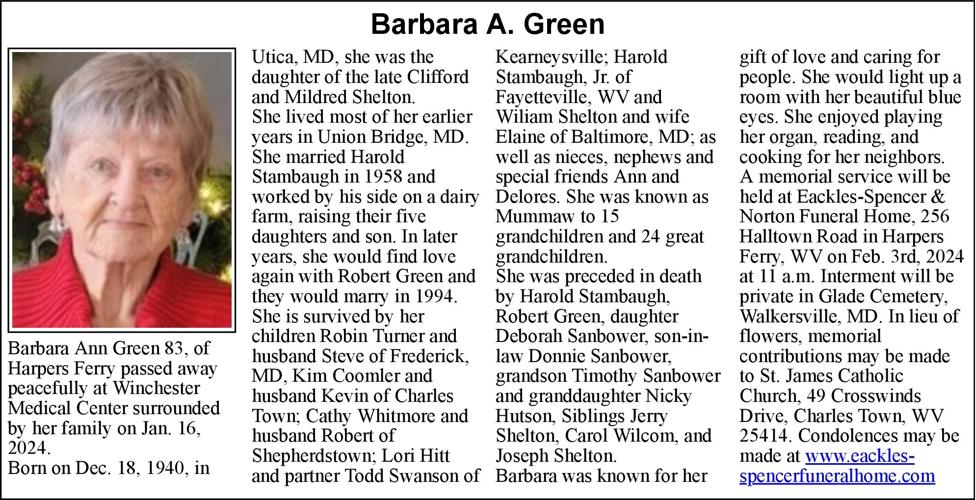
Reading local death notices provides a window into the everyday history of a growing community. The Gwinnett Daily Post obituaries serve as an essential archive, capturing the personal milestones, professional contributions, and quiet legacies of residents across Gwinnett County, Georgia. Rather than focusing solely on statistics or broad demographic trends, these notices preserve the specific stories of educators, small business owners, volunteers, and neighbors who shaped the region's character over decades.
For anyone researching local history, tracing family lineage, or looking to understand the fabric of a suburban community, the Gwinnett Daily Post offers a direct connection to the people behind the headlines. Understanding how these notices are structured, where to find archived records, and what information they contain makes local research much more effective.
What Gwinnett Daily Post Obituaries Tell Us
Local newspapers record more than dates of birth and passing. They capture the specific social structures and economic shifts of a region. In Gwinnett County—one of the fastest-growing counties in Georgia—obituaries frequently reflect rapid suburban development, demographic diversification, and strong community traditions.
When you examine a collection of these notices, several recurring themes emerge:
- Career and Industry Shifts: Entries often mention careers in local manufacturing, small retail shops, education, and public safety, mapping out how the local economy evolved from agricultural roots to a bustling metropolitan hub.
- Civic and Volunteer Engagement: Many notices highlight decades of service with local non-profits, church groups, and booster clubs, showcasing the invisible labor that sustains community infrastructure.
- Family Networks: Detailed survivor lists map out intergenerational ties, showing how extended families settled across specific neighborhoods and school districts in cities like Lawrenceville, Duluth, and Suwanee.
How to Search and Access Gwinnett Obituaries
Finding specific records requires knowing where to look, especially when searching across historical archives rather than current notices. The transition from print-only publishing to digital databases has changed how researchers access these documents.
Current Notices
Recent announcements appear directly on the official news site under their designated community sections. These pages typically feature guest books where friends and family can leave condolences, share photographs, and light virtual candles.
Historical Archives
For genealogical research or looking up older records, current web portals often have limitations. Researchers frequently rely on aggregated obituary databases such as Legacy.com or historical newspaper archives housed at local public libraries, including the Gwinnett County Public Library system. These resources provide access to scanned print editions and searchable text databases spanning decades.
Key Information Found in Death Notices
Standardizing obituary formats helps families communicate essential facts quickly while allowing space for personal reflection. Most notices published in the area follow a recognizable structure:
- Biographical Essentials: Full name, age at passing, city of residence, and dates.
- Immediate Relations: Surviving spouse, children, siblings, and grandchildren, alongside predeceased family members.
- Life Achievements: Professional background, military service, educational institutions attended, and organizational memberships.
- Service Details: Information regarding viewings, memorial services, burial locations, and preferred charitable donations in lieu of flowers.
Paying attention to memorial donation preferences often reveals the passions of the deceased. Contributions directed toward local animal shelters, historic preservation groups, or scholarship funds point directly to where an individual invested their time and care.
Common Research Challenges and Solutions
Searching local archives isn't always straightforward. Common hurdles include name spelling variations, missing dates, and paywalled database systems.
- Spelling Variations: Historical print typesetters occasionally misspelled uncommon surnames. If a search yields no results, try dropping middle initials, searching by first name and year only, or using wildcard searches if the database permits.
- Access Barriers: Many newspaper archives require a subscription or library card login for full-text viewing. Utilizing local library physical branches often grants free access to premium newspaper databases that would otherwise cost money online.
- Incomplete Records: Older archives from mid-century editions may only offer brief death notices rather than full biographical obituaries. In these cases, checking marriage licenses and census records via platforms like the National Archives helps fill in the gaps.
Frequently Asked Questions
How long do obituaries remain active on the Gwinnett Daily Post website?
Recent notices typically stay live on the publisher's digital portal indefinitely, though interactive guest books and candle-lighting features may close or archive after a specific period, often a few months to a year.
Can anyone submit an obituary to the paper?
Yes, families or designated funeral directors can submit notices. Most local newspapers charge publication fees based on word count and the inclusion of photographs, and submissions generally require verification through a licensed funeral home.
Where can I find obituaries older than 20 years for Gwinnett County?
Older historical records require specialized newspaper archive databases or microfilm collections housed at the Gwinnett County Public Library or local historical societies rather than current news feeds.
What is the best way to cite a newspaper obituary for genealogy?
A proper citation includes the full name of the deceased, the newspaper title, the exact publication date, page or section numbers if applicable, and the digital URL or archive database name where the record was retrieved.



