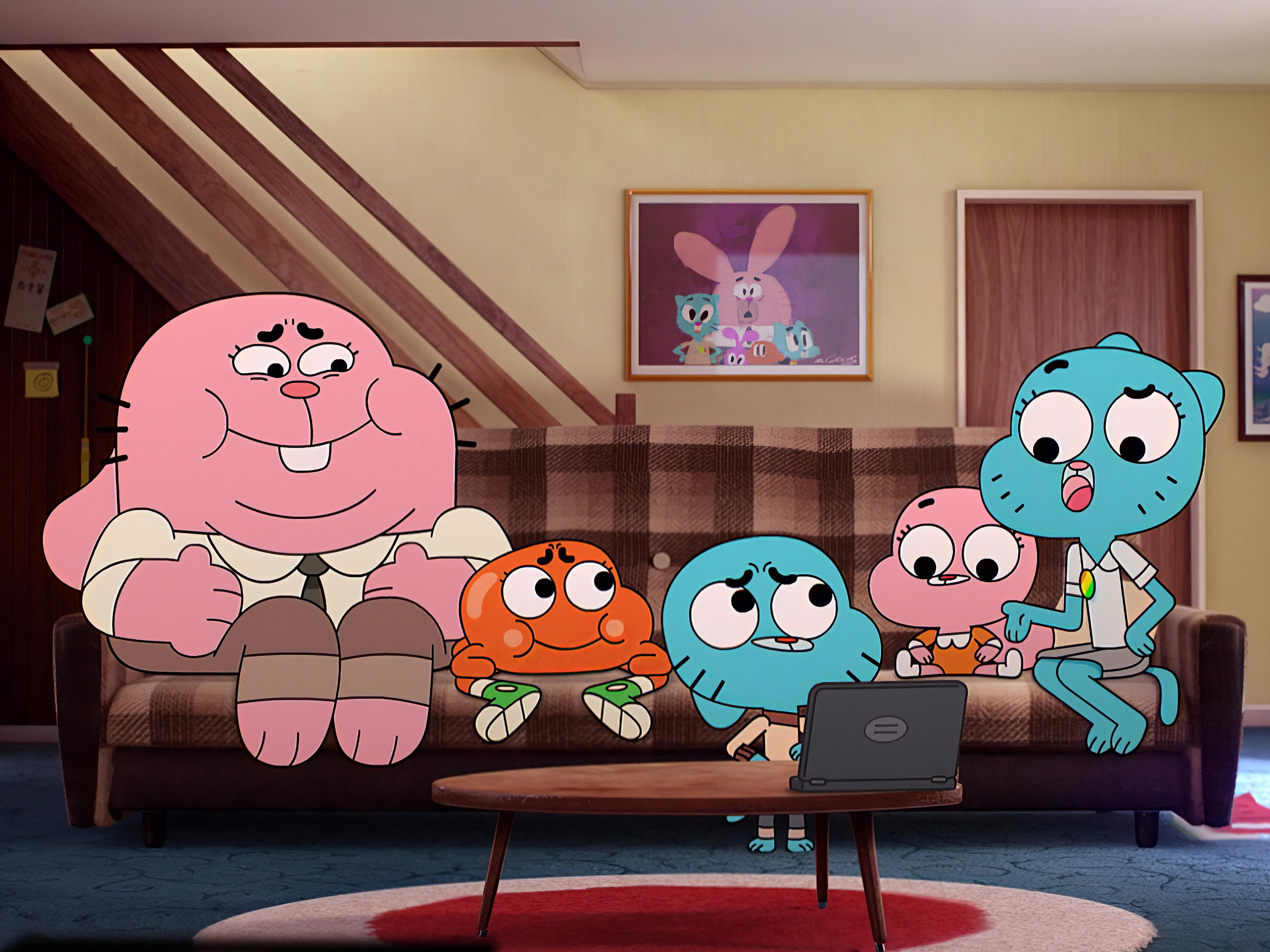
The Amazing World of Gumball faced a unique production hurdle that few animated series manage to navigate without fundamentally altering their core premise: its main characters were children. Because production spans years, young voice actors inevitably hit puberty, changing their vocal pitch and forcing the studio to adapt. Rather than aging up the characters or ending the show, the creators implemented recurring cast shifts, replacing child performers across multiple eras.
These transitions reshaped the soundscape of Elmore multiple times. Understanding how and why these changes occurred reveals the logistical realities of producing long-running children's animation.
Why The Amazing World of Gumball Required Multiple Cast Shifts
Most animated comedies rely on adult voice actors who can maintain the exact same pitch for decades. Shows like The Simpsons or South Park keep characters locked in a static timeline because the actors don't age out of their roles. Creator Ben Bocquelet and the production team at Cartoon Network took a different approach for The Amazing World of Gumball, insisting on casting actual children to capture the authentic cadence and raw energy of pre-teen characters.
This artistic choice came with an expiration date. As production moved forward, natural physical maturation meant young voice actors grew older, their voices deepened, and keeping them on board meant altering the timeless nature of the show. The creative team chose recasting over aging the characters up, preserving the chaotic middle-school setting while bringing in fresh talent to keep Gumball Watterson and Darwin Watterson sounding young. Additional details into this topic are covered by Associated Press.
The Evolution of Gumball and Darwin: Era by Era
Every major cast transition brought a distinct flavor to the series, shifting how fans experienced the titular blue cat and his goldfish-turned-brother.
The Original Trio of Eras
- The Season 1-2 Era: Logan Grove voiced Gumball and Kwesi Boakye voiced Darwin during the earliest seasons. Their performances established the baseline dynamic of the show, mixing innocent mischief with deadpan delivery. As Season 2 progressed, both actors began experiencing voice cracks and deepening tones, which pushed production toward its first major pivot.
- The Season 3-4 Era: Jacob Hopkins took over as Gumball and Terrell Ransom Jr. stepped in as Darwin. This pairing lasted through a significant chunk of the series, anchoring some of its most acclaimed episodes. Eventually, puberty caught up with them too, leading to the second major overhaul.
- The Season 5-6 Era: Nicolas Cantu assumed the role of Gumball, while Donielle T. Hansley Jr. (and later Christian J. Simon) took over voicing Darwin. Cantu brought a sharper, slightly more abrasive edge to Gumball, fitting the show's ramped-up comedic anarchy in its later run.
How the Show Metagamed Its Own Voice Actor Changes
Instead of hiding the recasts or pretending nothing happened, the production leaned heavily into fourth-wall-breaking humor. They famously addressed the shifts within the episodes themselves.
In the Season 3 episode "The Kids," Gumball and Darwin face an existential crisis when they realize their voices have dropped, forcing them to confront the physical reality of growing up. Later, the Season 5 episode "The Copycats" poked fun at the ongoing cycle of replacements by introducing bootleg versions of the characters who mimic their every move. By lampshading these backstage adjustments, the series turned a logistical headache into a running meta-joke that fans embraced.
The Impact on Secondary Characters
While Gumball and Darwin experienced the most frequent and publicized changes due to their age, other characters saw adjustments as well. Supporting cast members in international dubs and select English-language roles shifted across seasons due to availability, scheduling conflicts, or vocal maturation.
Keeping a sprawling, mixed-media canvas coherent requires flexibility. The crew maintained structural integrity by keeping the writers' room consistent, ensuring that the dialogue's sharp wit and surreal pacing remained untouched regardless of who stood behind the microphone.
Frequently Asked Questions
Why didn't they just use adult voice actors who can sound like kids?
The creative team wanted authentic vocal textures that only real children possess. Adult actors can sound convincing, but capturing the unfiltered yells and natural speech patterns of actual kids fit the chaotic tone of the show better.
Did the characters' personalities change when the actors were replaced?
No. The writing team worked hard to keep character bibles strict. While each young actor brought unique comedic timing and vocal quirks, Gumball's frantic ego and Darwin's sweet loyalty stayed constant.
How many actors voiced Gumball and Darwin overall?
Across the core run of the original series, two main actors handled each role consecutively (Logan Grove then Jacob Hopkins then Nicolas Cantu for Gumball; Kwesi Boakye then Terrell Ransom Jr. then Donielle T. Hansley Jr. / Christian J. Simon for Darwin).
Did the voice changes affect the show's popularity?
Fans initially experienced standard adjustment friction during each shift, but the meta-humor helped ease the transitions. Viewers quickly adapted because the core writing quality and visual style remained high.



