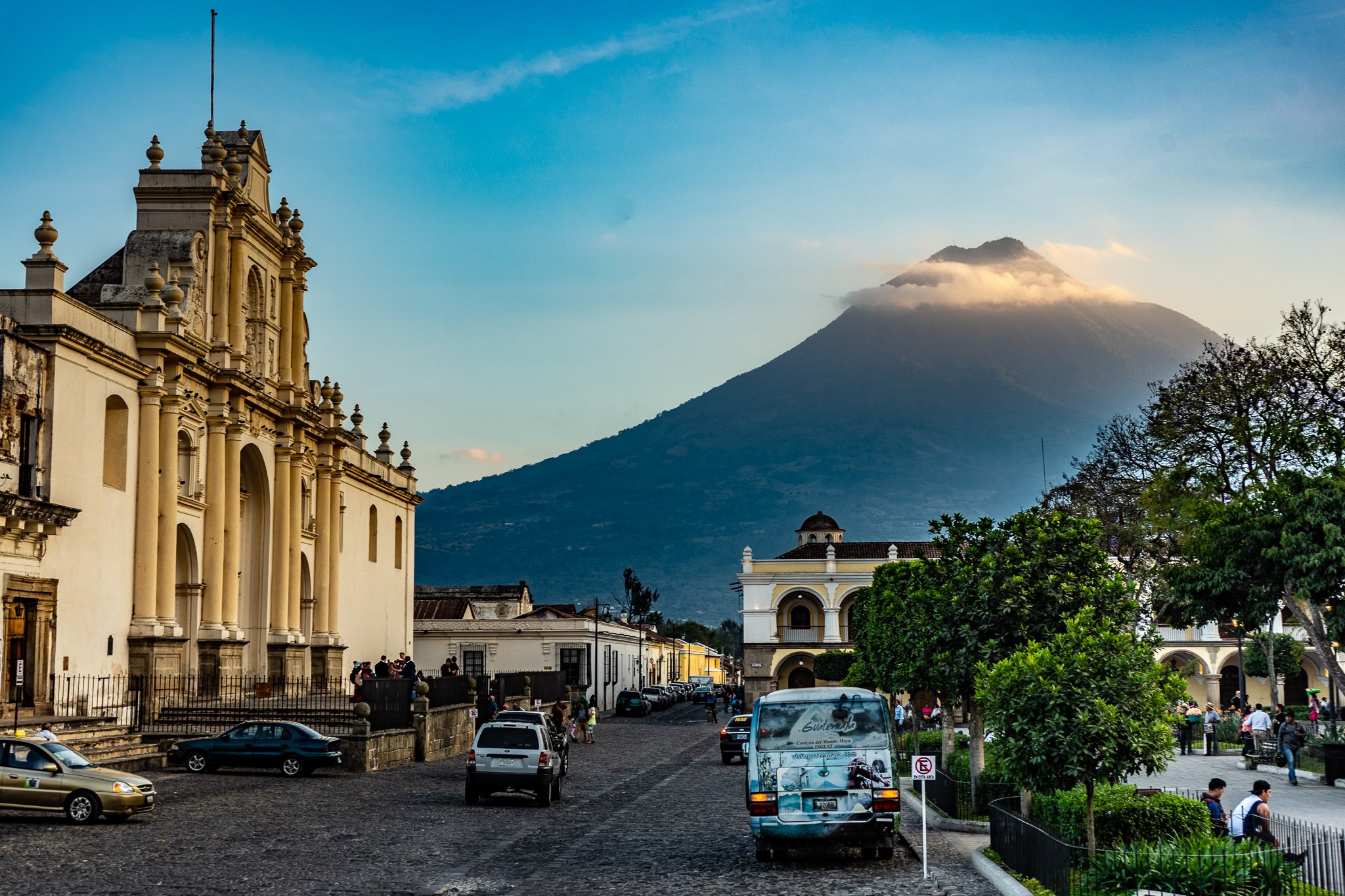
Comparing Guatemala and Suriname reveals a fascinating cross-section of Latin American and Caribbean diversity. While both countries occupy key strategic zones and share histories shaped by colonial powers, their demographic makeup, economic foundations, and cultural identities diverge sharply. Guatemala anchors the northern reaches of Central America with a massive population and a high-volume agrarian-industrial economy, whereas Suriname sits on the northeastern shoulder of South America, functioning culturally as a Caribbean nation with heavy Dutch influences and resource-driven wealth.
Examining these two republics side-by-side uncovers how distinct geographic scales, linguistic histories, and institutional frameworks create very different trajectories. Understanding these structures helps explain their roles within regional trade pacts and international organizations, offering a clear picture of how two nations with distinct pathways manage modern global challenges.
Geographic Foundations and Demographics
Geography dictates much of the divergence between Guatemala and Suriname. Guatemala spans roughly 42,000 square miles of rugged terrain, featuring volcanic highlands, tropical lowlands, and a fractured topography that historically isolated communities. It supports a large population of over 18 million people, making it the most populous nation in Central America. A significant portion of this population is indigenous Maya, preserving ancient linguistic and cultural traditions alongside a vibrant Mestizo population.
Suriname presents an entirely different physical landscape. Encompassing roughly 63,000 square miles, it is geographically larger than Guatemala yet possesses a tiny population of roughly 640,000 residents. Most of Suriname's inhabitants live along the narrow coastal plain, while the interior remains a vast, sparsely populated expanse of undisturbed Amazonian rainforest. Demographically, Suriname is one of the most ethnically pluralistic societies in the Western Hemisphere, featuring populations of Hindustani, Creole, Javanese, Maroon, and Indigenous heritage, a legacy of its Dutch plantation history. Further coverage on this matter has been provided by BBC.
Economic Structures and Trade Models
The economic scale of the two nations differs by orders of magnitude, driven by their domestic markets and resource bases. Guatemala boasts a much larger nominal gross domestic product, crossing roughly $123 billion, fueled by robust agricultural exports, light manufacturing, and substantial remittances from citizens living abroad. According to the World Bank, Guatemala's primary trade anchors include coffee, sugar, textiles, and edible oils, distributed heavily to North American and regional markets.
Suriname operates on a smaller macroeconomic scale, with a GDP hovering around $4.5 billion. However, its economy is heavily concentrated around heavy resource extraction. Suriname relies primarily on gold mining, crude oil production, and bauxite-related industries. This resource-dependent export model exposes Suriname to global commodity price volatility. While Guatemala's economic challenge centers on broad-based income distribution and formalizing labor, Suriname manages high debt-to-GDP ratios while trying to leverage its recent offshore oil discoveries for sustainable national development.
Cultural Identity, Language, and Governance
Linguistic and institutional lines further separate the two nations. Guatemala is culturally rooted in the Spanish-speaking Hispanic world, interwoven deeply with the traditions of its twenty-odd distinct Mayan language groups. Government, media, and daily commerce operate almost exclusively in Spanish, though preservation efforts for indigenous languages remain a vital part of public discourse.
Suriname stands out as an outlier in South America due to its Dutch colonial heritage. Dutch serves as the official language of administration, education, and formal writing, while Sranan Tongo functions as a widespread lingua franca for everyday street communication. Culturally, Suriname identifies strongly with the Caribbean Community (CARICOM) rather than Spanish America, reflecting a blend of South Asian, Javanese, African, and European traditions visible in its cuisine, music, and religious festivals.
Governance structures also reflect these distinct colonial paths. Guatemala functions as a presidential representative democratic republic with a civil law system rooted in Spanish traditions. Suriname operates as a constitutional democracy with a unicameral National Assembly, utilizing a legal system largely inherited from the Dutch civil code. Both nations continue to strengthen their institutional checks and balances, fighting corruption while building stronger civic participation.
Common Strategic Challenges
Despite their differences, Guatemala and Suriname face parallel hurdles common to developing nations in the broader Americas. Both countries grapple with environmental vulnerability, managing tropical ecosystems prone to extreme weather events and climate pressures. Infrastructure development in both regions requires heavy capital investment to connect remote rural interiors with urban economic hubs.
Additionally, both nations navigate complex labor migration trends. Guatemala manages significant transit and emigration pressures tied to regional economic disparities, while Suriname experiences high rates of skilled worker migration to the Netherlands and other European destinations. Addressing these human capital drains requires targeted domestic investment in education, healthcare, and high-tech job creation.
Frequently Asked Questions
Why is Suriname culturally considered part of the Caribbean?
While geographically located on the South American mainland, Suriname shares historical plantation roots, ethnic diversity, and institutional memberships like CARICOM with Caribbean island nations, distinguishing it from mainland Spanish-speaking neighbors.
Which country has a larger economy?
Guatemala has a substantially larger total nominal GDP—over $120 billion compared to Suriname's multi-billion dollar economy—largely due to its population size and diversified agricultural and manufacturing sectors.
What are the primary official languages?
Guatemala operates primarily in Spanish, alongside recognized indigenous Mayan languages. Suriname operates primarily in Dutch, with Sranan Tongo serving as the common local trade language.
How do their demographics compare?
Guatemala is heavily populated with over 18 million residents, featuring a large Mestizo and indigenous Maya demographic. Suriname has a smaller population of around 640,000 with an intense mix of South Asian, Javanese, African, and indigenous communities.



