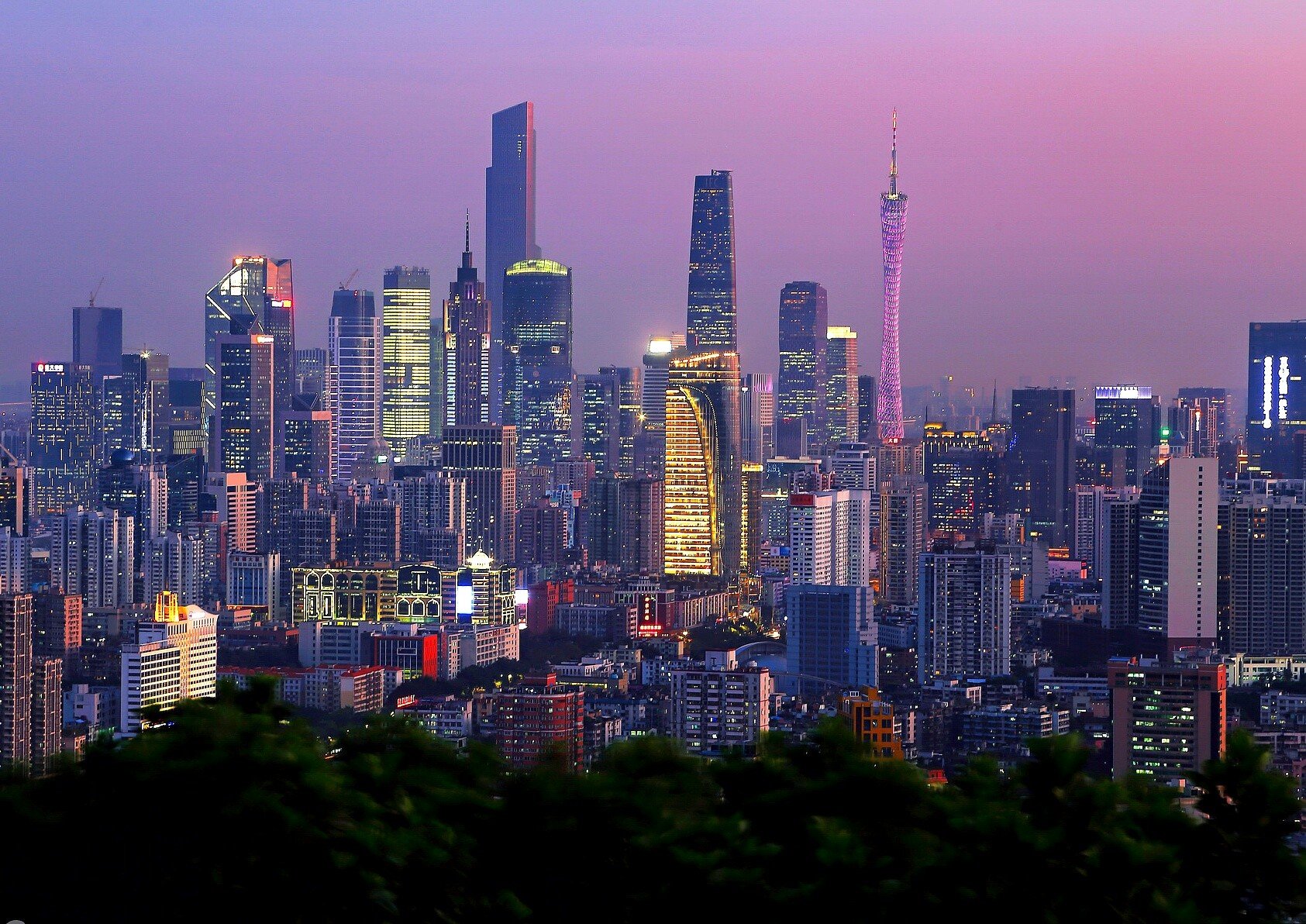
Guangzhou, historically known as Canton, serves as the economic and cultural powerhouse of southern China. Situated at the apex of the Pearl River Delta, this metropolis bridges centuries of maritime trade heritage with high-tech manufacturing, advanced logistics, and vibrant Cantonese traditions. It isn't just a regional capital; it's a global supply chain nerve center that shapes international commerce and cultural exchange.
Understanding Guangzhou requires looking past standard travel brochures to examine its dual identity. On one hand, it's an ancient port city with over two millennia of mercantile history. On the other, it's a modern industrial titan driving innovations in artificial intelligence, green energy, and smart city infrastructure.
Historical Roots and Trade Evolution
Long before modern global supply chains existed, Guangzhou sat at the starting maritime node of the Silk Road. During the Qing dynasty, it was designated as the sole port for foreign trade, establishing the foundation for its enduring commercial character. Western traders referred to the city as Canton, a name that still resonates through global trade corridors today.
This mercantile DNA persists through modern infrastructure, most notably via the China Import and Export Fair, universally known as the Canton Fair. Hosted biannually at the Canton Fair Complex, the exhibition draws hundreds of thousands of international buyers across millions of square meters of exhibition space. It functions as a barometer for global manufacturing health, connecting factories across Guangdong province directly with international markets.
Economic Engine of the Pearl River Delta
The economic gravity of Guangzhou extends far beyond its city limits, anchoring the Pearl River Delta megaregion alongside manufacturing hubs like Shenzhen and Foshan. While light manufacturing historically defined the region, the local economy has transitioned rapidly toward advanced sectors.
- Advanced Manufacturing: The production of new energy vehicles, industrial robotics, and smart electronics drives industrial output.
- Biotechnology and Science: Specialized districts like Guangzhou Science City foster research clusters that rival traditional tech centers elsewhere in Asia.
- Logistics Networks: Unrivaled port facilities and high-speed rail links reduce transit times across the Greater Bay Area to under two hours.
The city balances this heavy industrial output with deliberate urban transformation. Municipal strategies incorporate green transit networks, extensive metro expansions exceeding 600 kilometers, and carbon-reduction initiatives designed to future-proof the urban environment.
The Heart of Cantonese Culture
While economics dictate its global reach, culture defines its daily life. Guangzhou is the undisputed birthplace and capital of Lingnan culture, famous worldwide for its distinct linguistic, artistic, and culinary heritage.
Cantonese cuisine, characterized by fresh ingredients and balanced flavors, achieves international renown through staples like dim sum, roasted meats, and delicate pastries. Unlike northern Chinese culinary traditions, Guangzhou's food culture emphasizes subtle preparation methods that highlight natural textures.
Architectural preservation mirrors this cultural pride. Historic European-style mansions on Shamian Island stand alongside traditional Xiguan courtyard houses, creating a visual dialogue between colonial-era history and contemporary high-rise urbanism. Neighborhood markets, traditional herbal tea shops, and community-driven festivals maintain a distinct local warmth despite rapid modernization.
Common Misconceptions About Guangzhou
Many casual observers misunderstand Guangzhou's relationship with neighboring financial centers.
- Not Just a Factory Town: While Guangdong province manufactures a massive share of global consumer goods, Guangzhou itself operates primarily as a trade, corporate headquarters, and distribution hub rather than a collection of assembly lines.
- Distinct from Hong Kong and Shenzhen: Although linked by high-speed rail, Guangzhou maintains a deep historical identity rooted in indigenous Cantonese culture, differing significantly from Shenzhen's tech-boom origins or Hong Kong's British-influenced financial framework.
- Language Matters: Mandarin is widely spoken in professional settings, but Cantonese remains the dominant spoken language in daily social commerce, family life, and local media.
Frequently Asked Questions
Why is Guangzhou also called Canton?
European traders visiting the region centuries ago adopted a Portuguese approximation of the provincial name "Guangdong," turning it into "Canton". While the official Chinese name is Guangzhou, the historical name survives in global institutions like the Canton Fair.
What role does Guangzhou play in the Greater Bay Area?
Guangzhou acts as the political, educational, and cultural anchor of the Chinese government's Greater Bay Area initiative, which integrates Hong Kong, Macau, and nine cities in Guangdong into an economic powerhouse.
How does the Canton Fair impact local business?
The Canton Fair drives hospitality, logistics, and international trade service sectors, bringing billions of dollars in export turnover and serving as a primary networking nexus for global importers.
Is Guangzhou a good destination for international business travelers?
Yes. The city features robust transport infrastructure, multilingual business services, international convention facilities, and extensive trade support offices designed to streamline foreign investment and sourcing operations.



