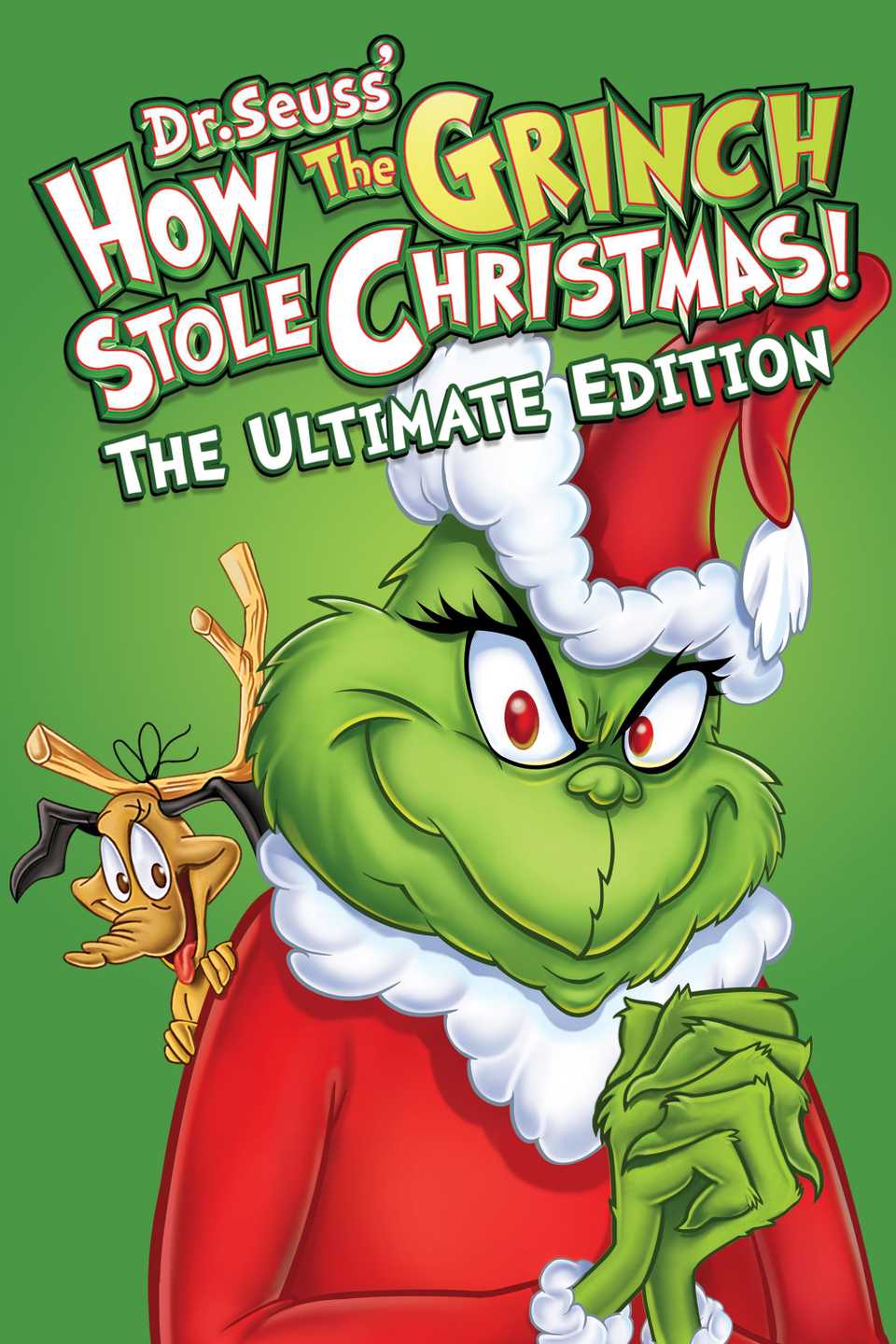
When Dr. Seuss published How the Grinch Stole Christmas! in 1957, he introduced a permanent archetype: the misanthropic outsider who watches society from a cold mountain peak. Decades later, cinematic adaptations—most notably the 2018 Illumination animated feature—expanded this simple children's book into a complex ecosystem of Whos, rebels, and outcasts. Analyzing these figures reveals how modern animation uses visual contrast, architectural design, and psychological trauma to modernize a holiday classic.
The Psychology of Isolation in the Grinch
The Grinch isn't just grumpy; he's a clinical study in avoidance behavior and childhood trauma. In the 2018 adaptation, the narrative spends significant time exploring why he lives in isolation on Mount Crumpit. Unlike the original text, which leaves his origins vague, the film frames his bitterness as a defense mechanism forged in an orphanage where he spent the holidays completely alone.
This backstory shifts the character from a simple villain to a victim of systemic failure. Every red-and-green decoration in Whoville acts as an emotional trigger, reminding him of what he was denied. His hatred of Christmas is actually a profound fear of vulnerability. When people experience chronic rejection, they often adopt pre-emptive hostility to ensure nobody can hurt them again. The Grinch's elaborate traps and sarcastic interior monologues are walls built to keep out a community that ignored him.
His physical design mirrors this psychological state. Rendered with sharp angles, a hunched posture, and an emerald-green coat that clashes violently with the pastel warmth of Whoville, he looks like a walking splinter. Animators used stiffness in his rigging to show how guarded he is, contrasting sharply with the fluid, bouncy movements of the townsfolk below.
Cindy Lou Who and the Moral Core
Every outcast needs a mirror, and Cindy Lou Who serves as the primary reflective surface for the Grinch's internal conflict. While other children in Whoville write lengthy wish lists for Santa Claus, Cindy Lou’s letter has only one objective: to find a way to help her overworked, single mother.
Her design choices depart drastically from traditional holiday tropes. With large, expressive eyes, a muted purple color palette, and a practical winter cap, she looks grounded and earnest rather than overly saccharine. She acts as the emotional anchor of the story because she refuses to accept surface-level happiness.
When Cindy Lou tracks the Grinch to his mountain lair, she isn't acting out of naive bravery; she represents pure, uncalculating empathy. In psychological terms, she breaches the Grinch's armor not by fighting his hostility, but by treating him with ordinary kindness. This dynamic dismantles his worldview. For an outcast who believes the world is entirely selfish, encountering someone who asks for nothing in return creates cognitive dissonance that forces him to reevaluate his entire life.
The Architecture and Design of Whoville
Character design in animated films never happens in a vacuum; it relies heavily on environmental storytelling. Whoville is engineered to look like a snow-globe utopia, featuring rolling gingerbread-style houses, impossibly steep winding streets, and a color palette dominated by cheerful pinks, blues, and yellows.
This hyper-stylized environment serves a dual narrative purpose:
- It establishes an immediate visual contrast against the dark, jagged caverns of Mount Crumpit.
- It highlights the suffocating nature of enforced conformity.
Every Who dresses in similar festive layers, sings in synchronized choruses, and celebrates with standardized joy. When everyone around you is legally obligated to be cheerful, deviation feels like a crime. The town's architecture—packed tight with narrow alleys and communal squares—leaves zero room for privacy. For someone who values solitude and struggles with sensory overload, Whoville is an architectural nightmare.
Secondary Characters and Social Stratification
Beyond the main duo, the supporting cast represents different facets of small-town sociology. Mayor Augustus Maywho serves as the antagonist of commerce, embodying the pressures of social status and superficial success. Portrayed with an exaggerated pompadour and a perpetual, plastic smile, the Mayor treats the holiday season as a public relations campaign rather than a cultural celebration.
The Mayor's obsession with breaking records—such as building the world's largest gingerbread house or hosting the loudest celebration—satirizes modern consumerist culture. He represents the institutional pressure that pushes outcasts to the fringes. If you cannot afford or perform the expected level of festive consumerism, you are quietly erased from the town's social fabric.
Conversely, characters like Bricklebaum, the Grinch's relentlessly cheerful neighbor who insists they are best friends, function as social irritants that break down the protagonist's isolation from the outside. Bricklebaum doesn't care about social hierarchies or the Grinch's abrasive personality; he operates on pure, indiscriminate friendliness. This relentless boundary-pushing is precisely what an isolated person needs, even if they complain about it constantly.
Cultural Impact and the Evolution of the Outsider Archetype
The enduring resonance of these characters lies in how they mirror real-world social anxieties. The Grinch speaks to anyone who has ever felt like an imposter during major cultural holidays. Modern audiences, increasingly plagued by burnout and economic stress, find immense comfort in a protagonist who openly rolls his eyes at forced corporate cheer.
According to data from [Box Office Mojo](https://www.box office mojo.com), the 2018 adaptation grossed over $500 million worldwide, proving that audiences crave stories about redemption and community integration. Yet, unlike traditional fairy tales where villains are vanquished, the Grinch is welcomed back into the fold without losing his quirky edges. He sits at the Christmas dinner table looking slightly uncomfortable, proving that healing doesn't require complete personality erasure.
As society becomes more fragmented, the dynamic between Whoville's hyper-connected community and Mount Crumpit's isolated peak offers a timeless lesson. True inclusion requires listening to the outcasts living on the edges, rather than just demanding they smile and sing along with the crowd.
Frequently Asked Questions
Why is the Grinch green when original book illustrations were black and white?
While Dr. Seuss's original 1957 book featured a black-and-white Grinch with red and pink elements, animator Chuck Jones chose a sickly lime-green shade for the iconic 1966 animated special. This color choice stuck because it immediately signaled to viewers that the character did not belong among the warm tones of Whoville.
How does the 2018 Illumination movie differ from the 1966 classic regarding character motivations?
The 1966 special keeps the Grinch's motivations mysterious, attributing his hatred simply to his heart being "two sizes too small." The 2018 film introduces a detailed backstory involving childhood trauma in an orphanage, which reframes his misanthropy as a coping mechanism for loneliness.
Why is Cindy Lou Who's role expanded in modern versions?
In the original book, Cindy Lou is a minor toddler who asks a brief question before going back to bed. Modern adaptations expand her role to give the Grinch an active conversational partner, allowing the narrative to explore themes of empathy, single parenthood, and community support.
What does Max the dog represent in the story?
Max is the Grinch's emotional anchor and primary caregiver. He handles the domestic labor of the household while providing unconditional loyalty, proving that the Grinch is capable of maintaining a deep, loving relationship long before he reconciles with the rest of Whoville.



